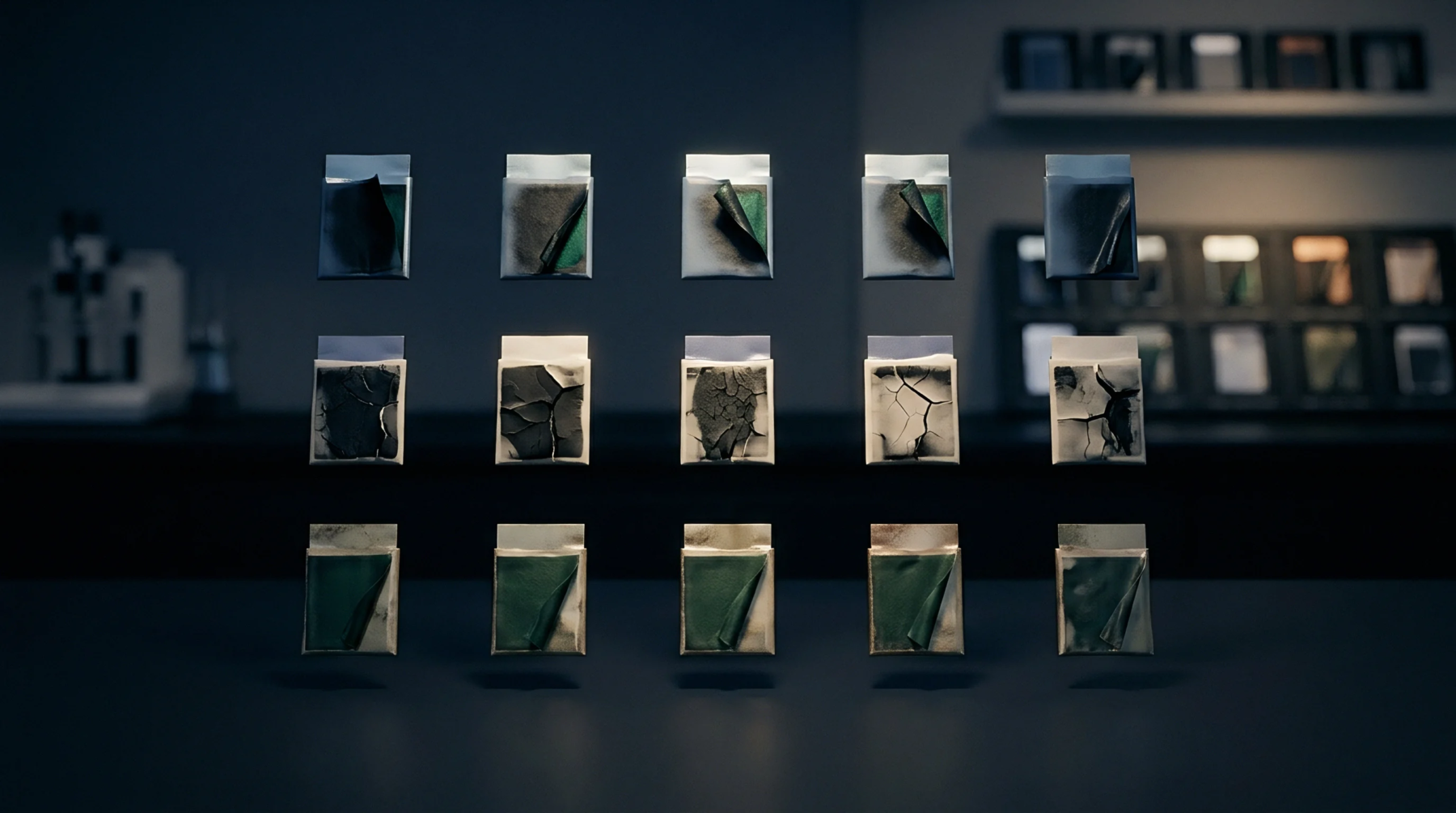
Defect Passivation Temperature Windows in Sodium Ion Anode Production
Optimal defect passivation windows between 1100°C and 1300°C balance hard carbon surface area reduction, initial efficiency, and long-term cycle degradation.
Optimal defect passivation windows between 1100°C and 1300°C balance hard carbon surface area reduction, initial efficiency, and long-term cycle degradation.
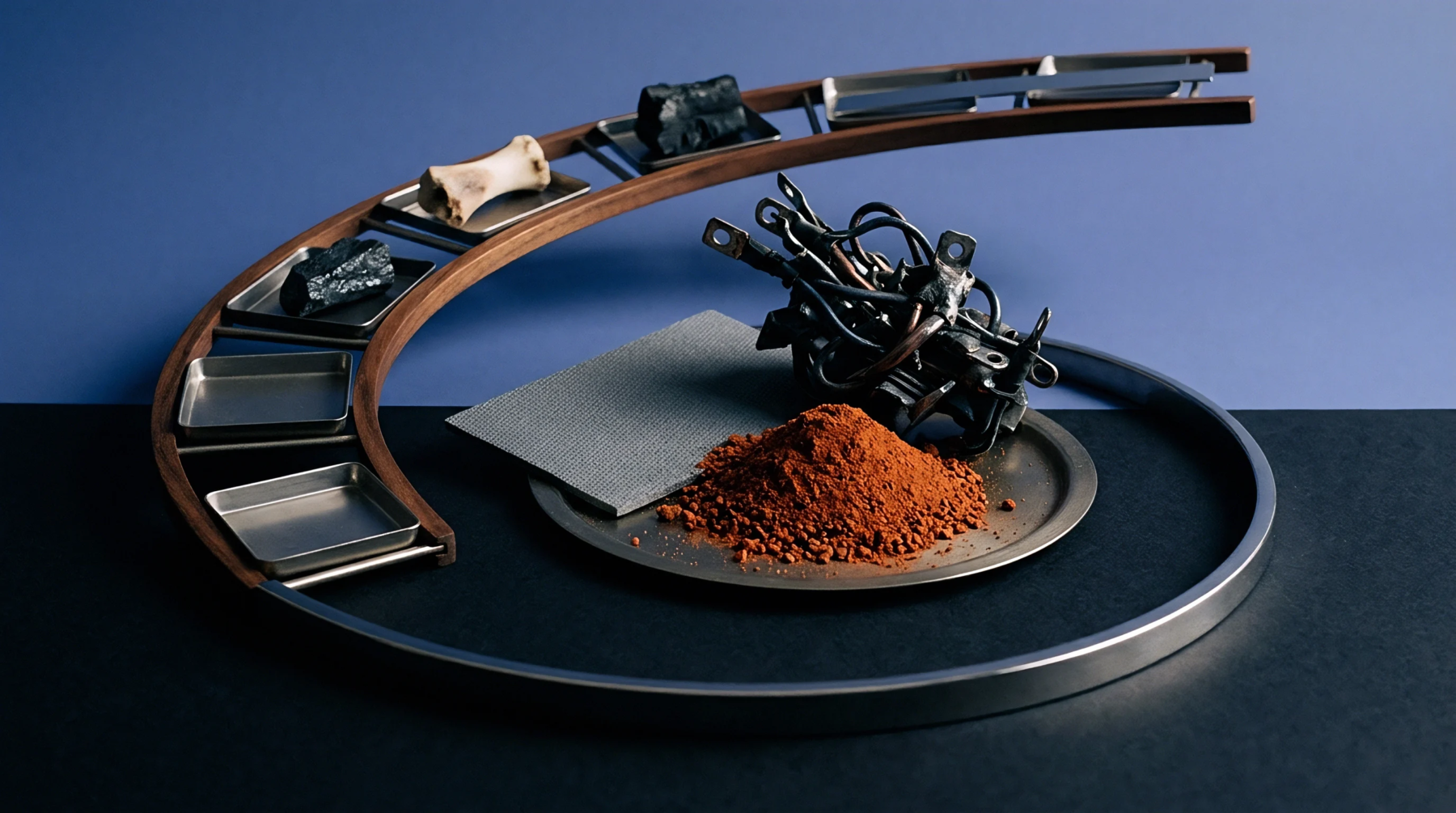
Thermal treatment above 1400 degrees Celsius collapses hard carbon closed pores, shrinking plateau capacity below 100 mAh/g and reducing sodium storage efficiency.
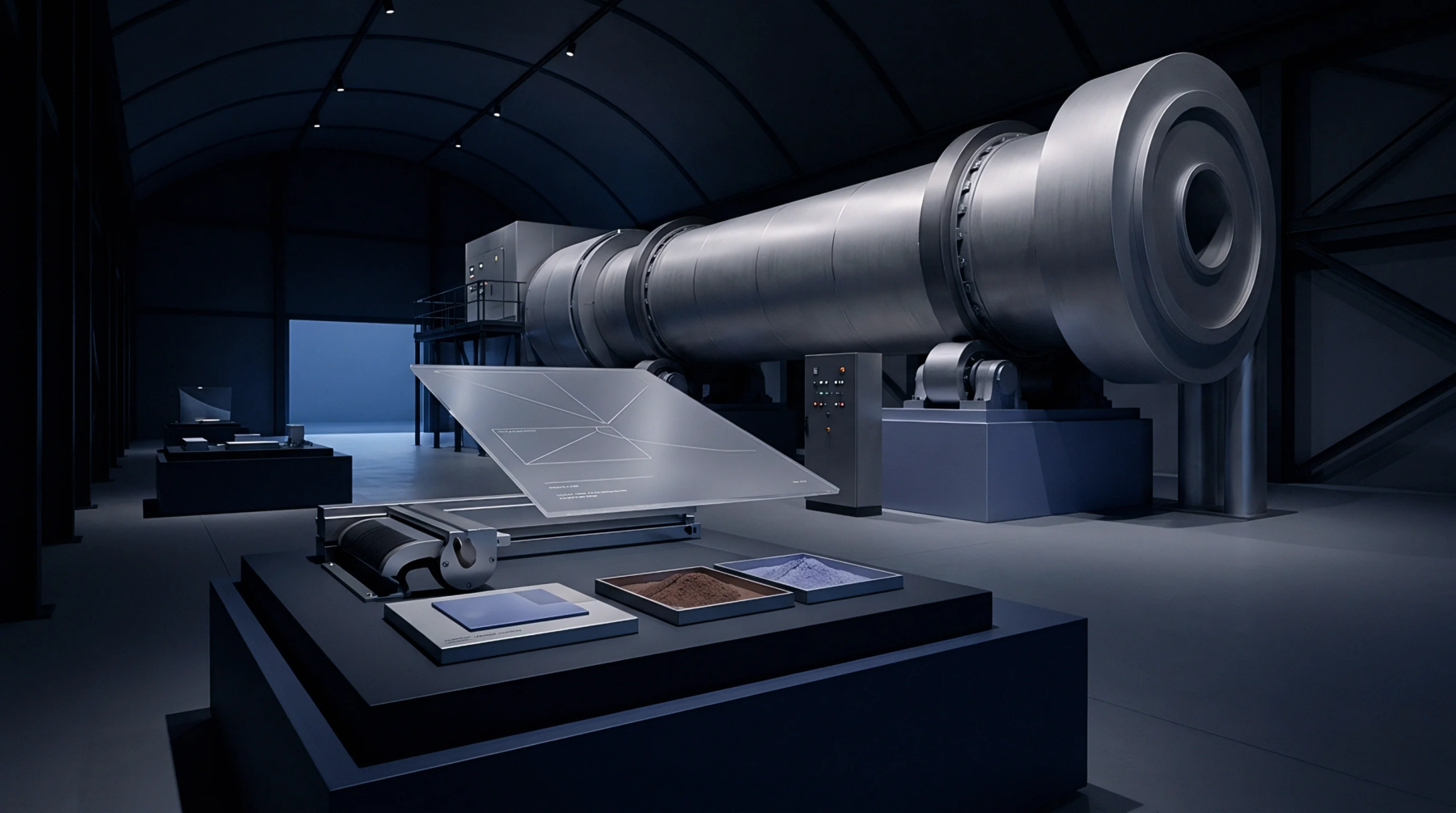
Controlled oxidative cross-linking of pitch precursors balances carbon yield and closed porosity to optimize hard carbon capacity and initial coulombic efficiency.
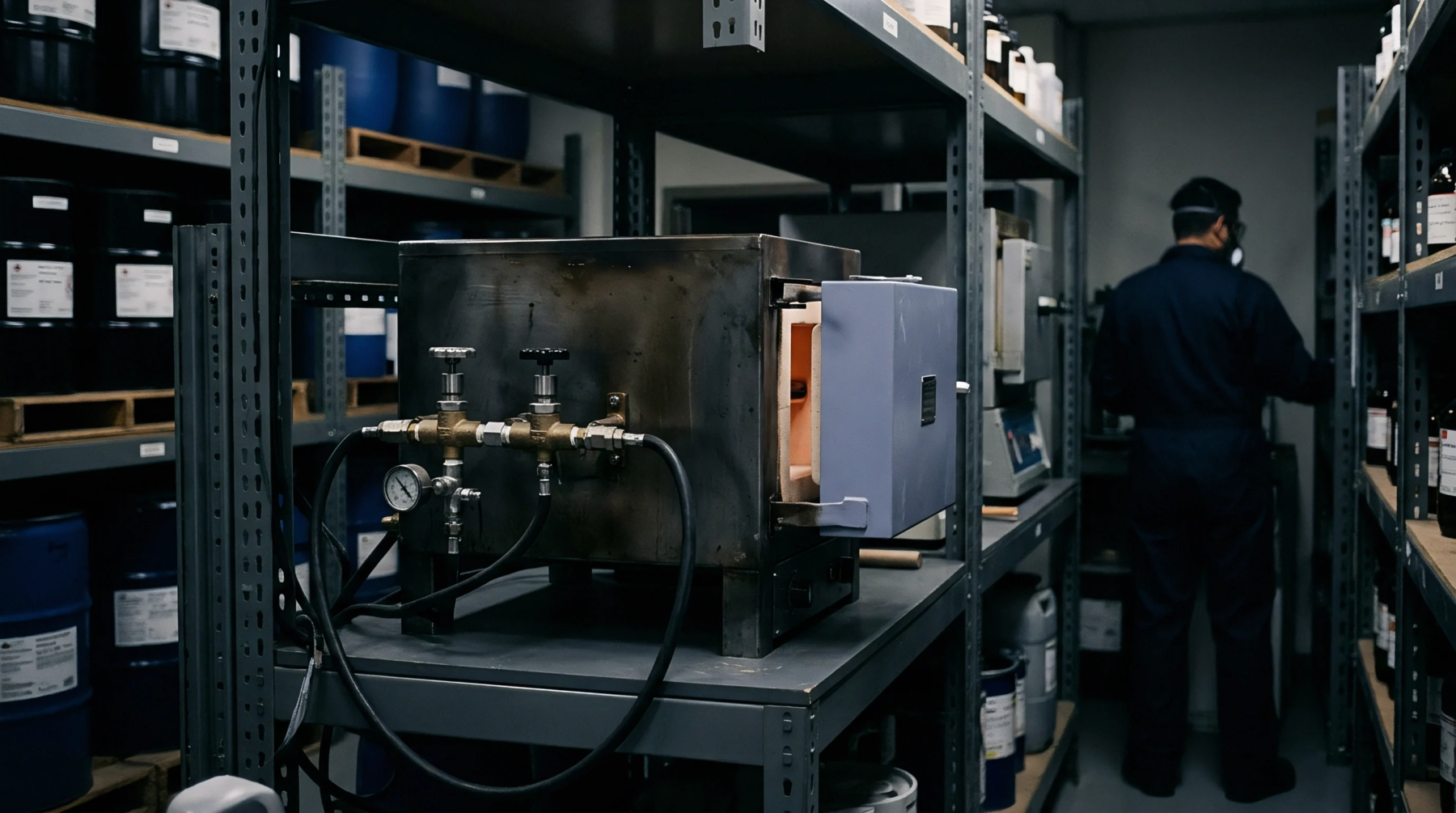
Thermal processing of hard carbon precursors regulates d002 interlayer spacing and closed microporosity to optimize sodium storage capacity and coulombic efficiency.

Continuous hard carbon graphitization requires tight thermal control to preserve closed nano-cavities, while pre-sodiation economics rely on holding web yield above 96 percent.
Expertise is a utility, not a secret. sentiention™ publishes its working knowledge as open reference: intelligence layer covering the materials it sources, the markets it enters, and the reference that serves both.