
Anode Expansion Forces in Ultra-Thin Pouch Cells
Constraining ultra-thin pouch cells within a 0.05 to 0.30 MPa compliance window prevents separator crushing while arresting irreversible delamination.
Constraining ultra-thin pouch cells within a 0.05 to 0.30 MPa compliance window prevents separator crushing while arresting irreversible delamination.

Acoustic emission monitoring identifies sub-critical micro-cracking in swollen separators when burst amplitudes exceed thirty-eight decibels between 180 and 320 kHz.
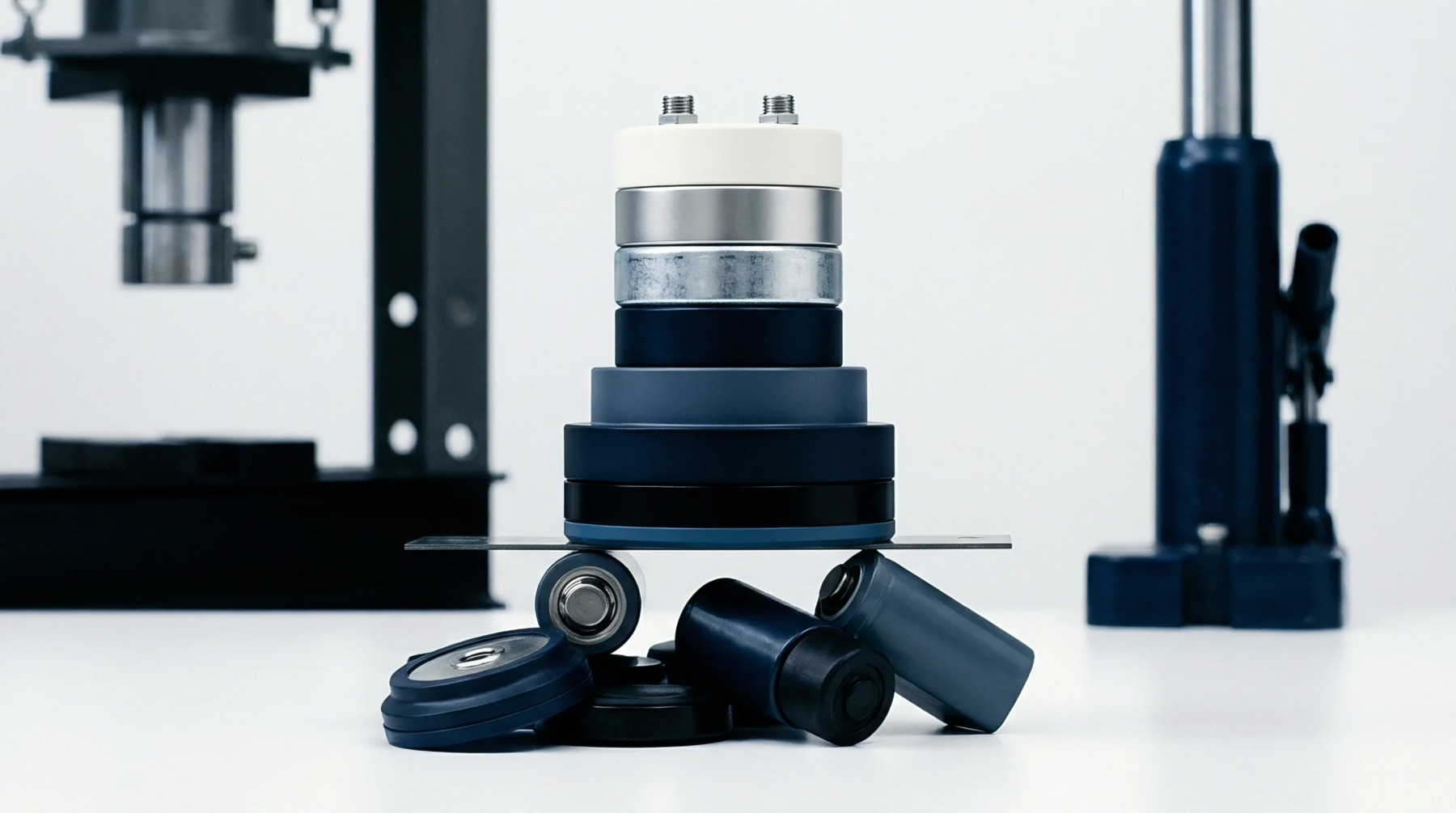
Biaxial strain ratios above 0.5 accelerate sub-micron micro-crack growth rates by three orders of magnitude in lithiated silicon-graphite active material coatings.
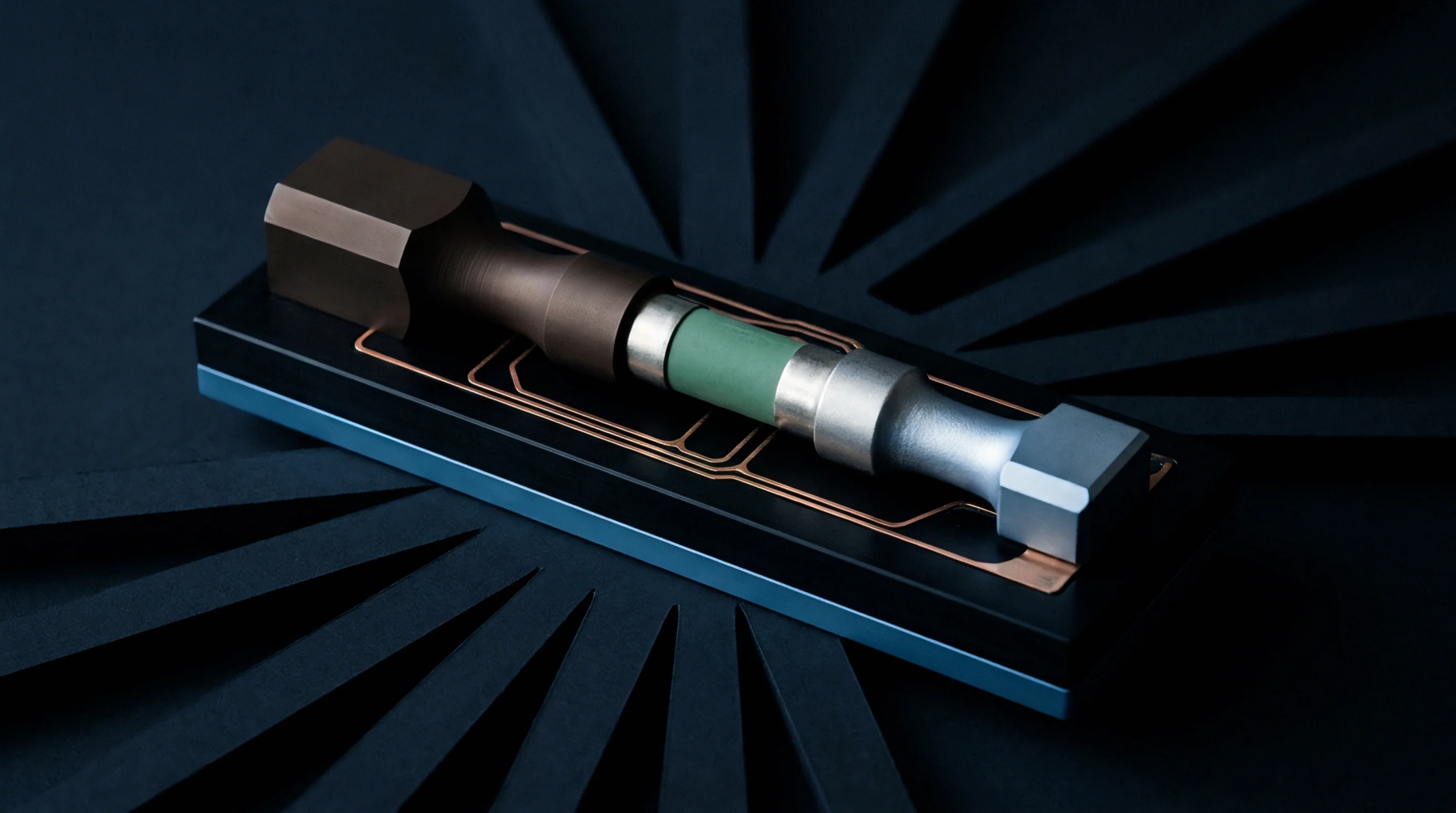
Polyolefin separators expand in electrolyte under thermal exposure, converting swelling strain into internal stack pressure that alters transport resistance.
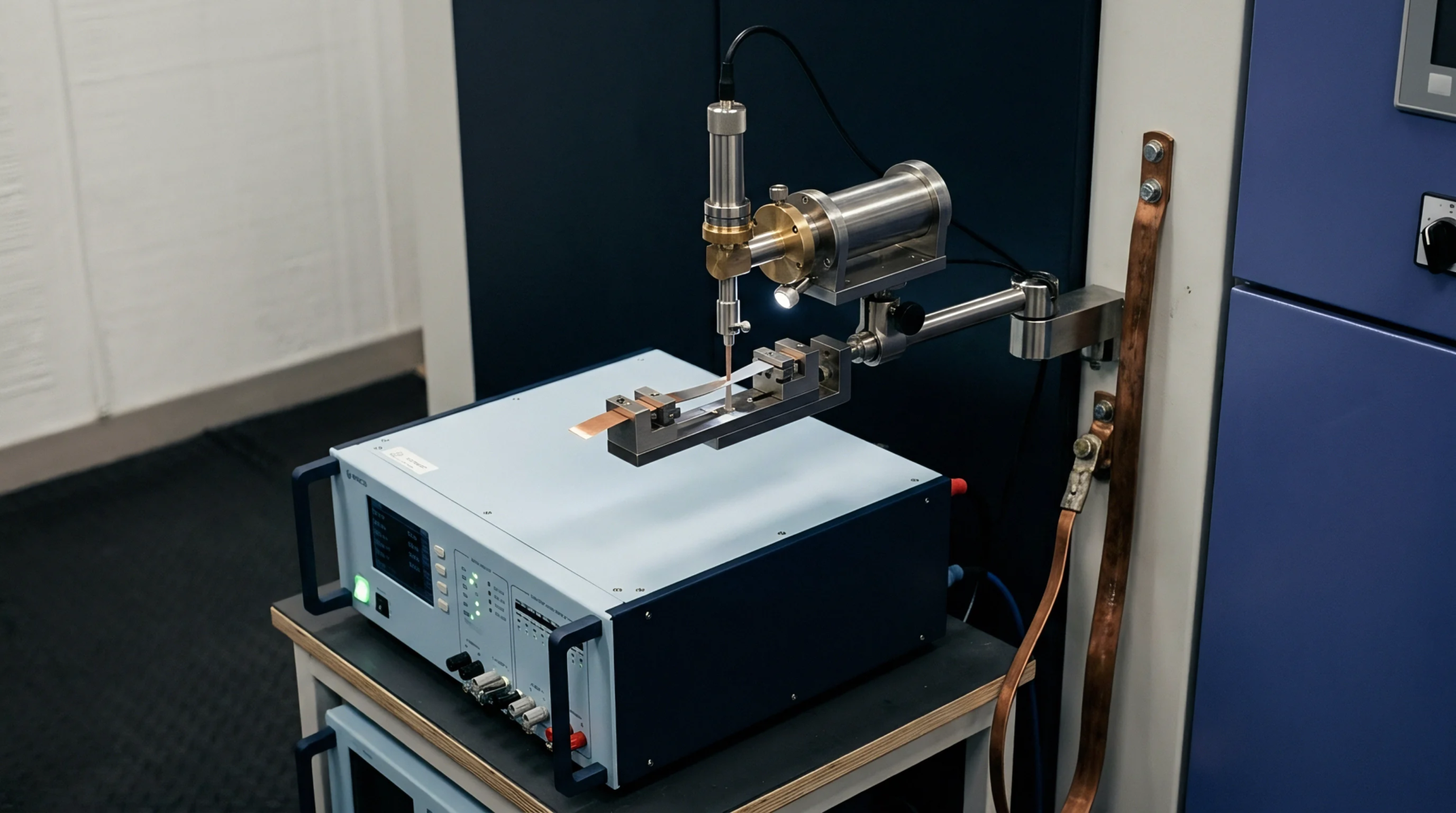
Decouple contact resistance from mass transport impedance by combining microsecond Kelvin sensing with sub-second transient pulse relaxation analysis.

Broadband EIS frequency sweeps isolate mid-frequency charge transfer resistance to catch high-rate lithium cell batch defects invisible to 1 kHz resistance testing.

Automotive cell incoming resistance inspection relies on strict thermal equilibration, isolated 4-wire Kelvin probing, and clear AC-IR vs DC-IR correlation protocols.

Dynamic interfacial pressure retention in large-format solid-state pouch cells requires engineered compliance systems to prevent voiding and edge-seal fatigue.
Expertise is a utility, not a secret. sentiention™ publishes its working knowledge as open reference: intelligence layer covering the materials it sources, the markets it enters, and the reference that serves both.