Meaning
Dynamic characterization methods apply a sharp change in an input variable to identify the time constants associated with diffusion and charge transfer. A transient step excitation involves switching the current from zero to a fixed value or from one level to another almost instantaneously. The resulting voltage curve provides a detailed look at how the internal components of the battery react to a sudden load change.
Relaxation Behavior
Voltage recovery after the step has been applied or removed reveals the internal health of the cell. In a transient step excitation, the immediate voltage drop indicates the ohmic resistance, while the slower curve that follows represents the polarization and diffusion processes.
Parameter Extraction
Models of the battery use this time-domain data to calculate values for an equivalent circuit. By fitting the observed voltage response to a mathematical model, engineers can determine the capacity and resistance of individual electrochemical stages.
Test Equipment
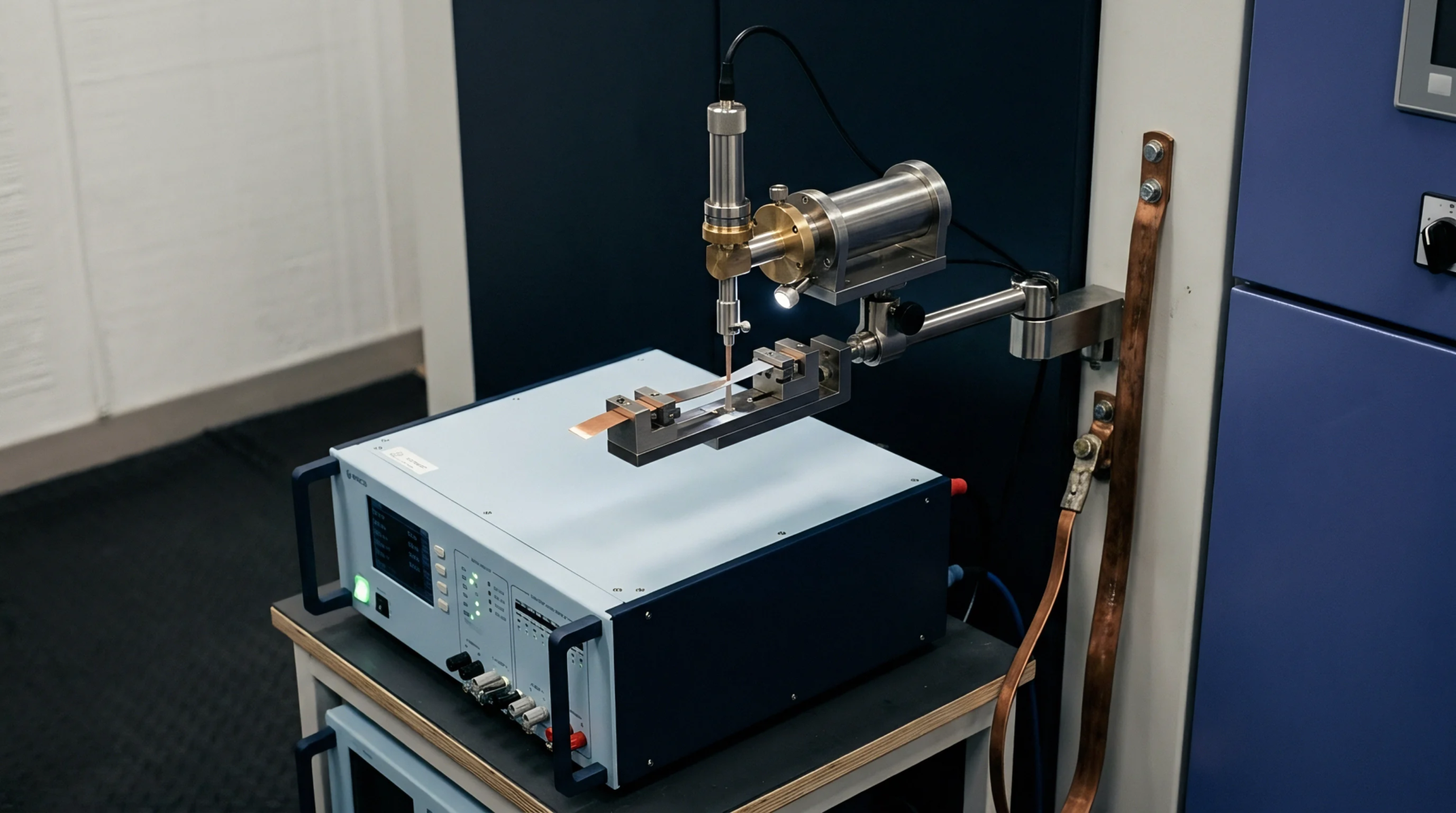
High sampling rates are required to capture the very beginning of the step response. Laboratory-grade cyclers must be able to switch the current in microseconds to ensure the transient step excitation is clean and free of ringing or overshoot. The precision of this equipment determines the accuracy of the resulting model parameters which are used to define the safe operating limits for the battery during heavy load transitions.