Interfacial Foam Selection for Battery Module Pressure Management
Select interfacial foams by balancing beginning-of-life preload against end-of-life swell deflection to keep module cell pressure between 0.05 and 0.80 MPa.
Select interfacial foams by balancing beginning-of-life preload against end-of-life swell deflection to keep module cell pressure between 0.05 and 0.80 MPa.
Compressive creep and viscoelastic stress relaxation in thermal interface materials drop contact pressure, triggering thermal impedance spikes across battery plates.

Constant pressure restraint compresses microporous separators, elevating ionic resistance and forcing liquid electrolyte out of active electrode stack void space.
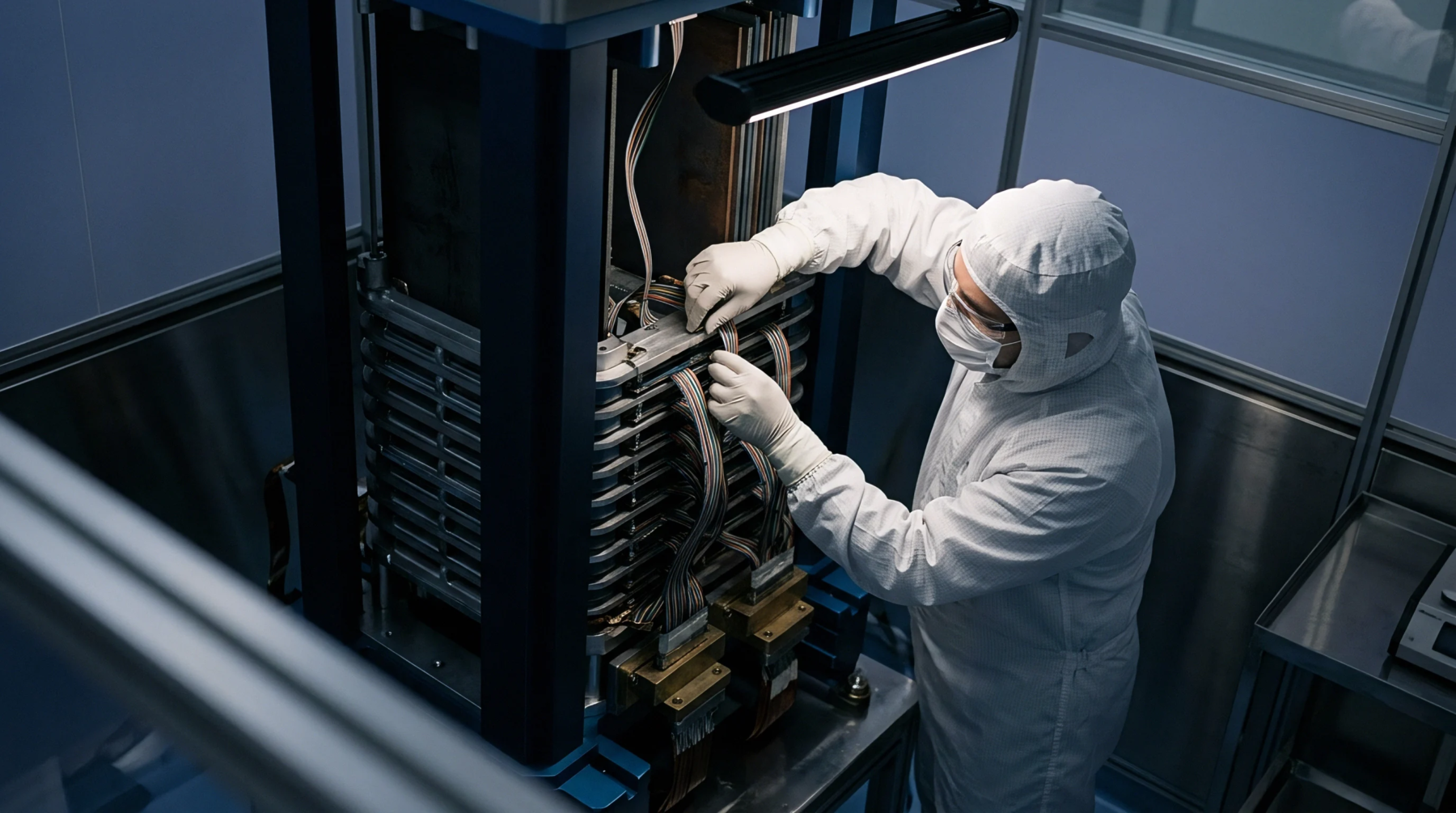
Maintaining 5 MPa stack pressure suppresses lithium void growth during high-rate stripping while active spring packs prevent separator fracture.
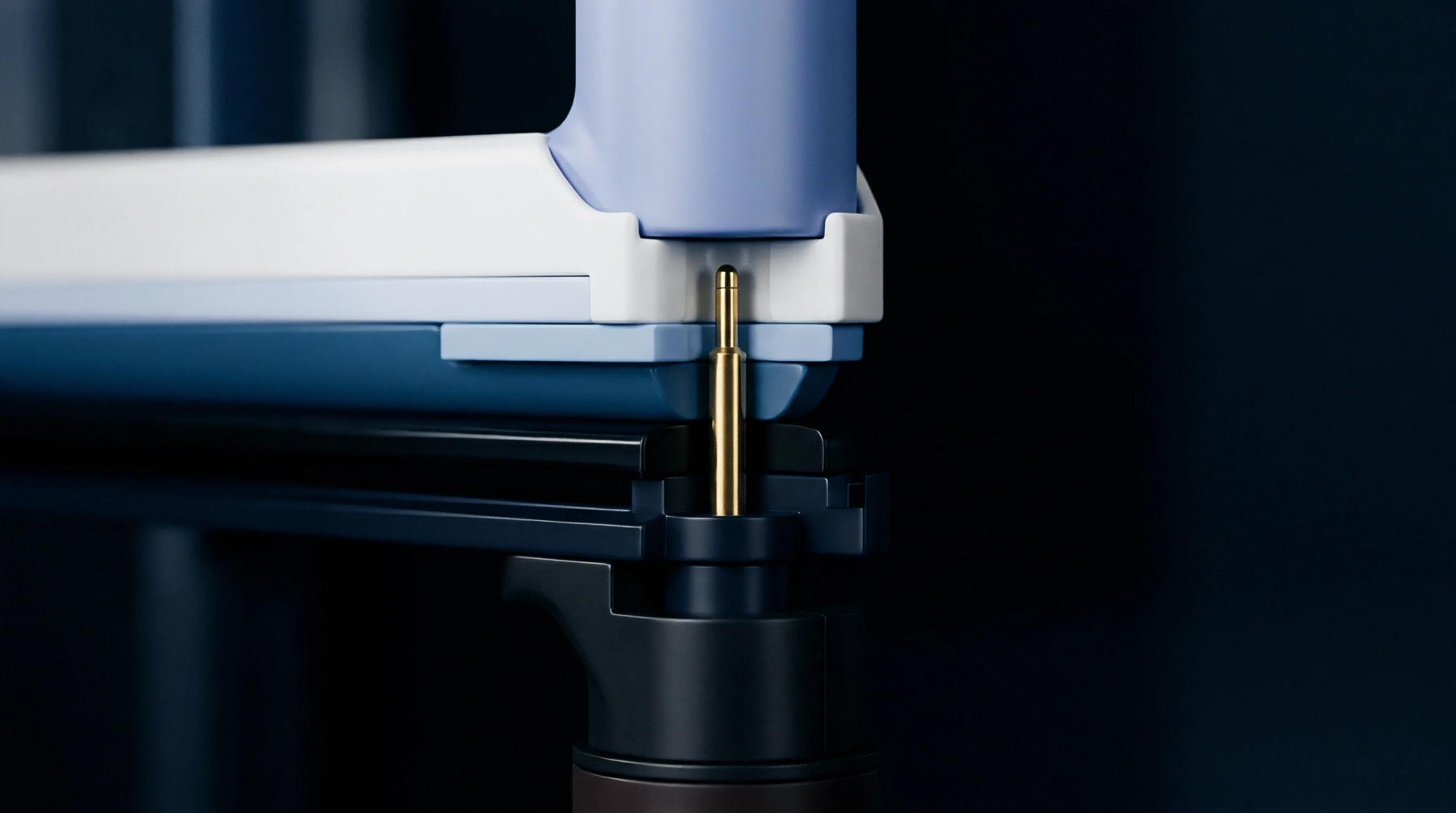
Sulfide solid-state cells require continuous external stack pressure between 5 and 10 MPa to overcome viscoplastic voiding and maintain intimate interface contact.
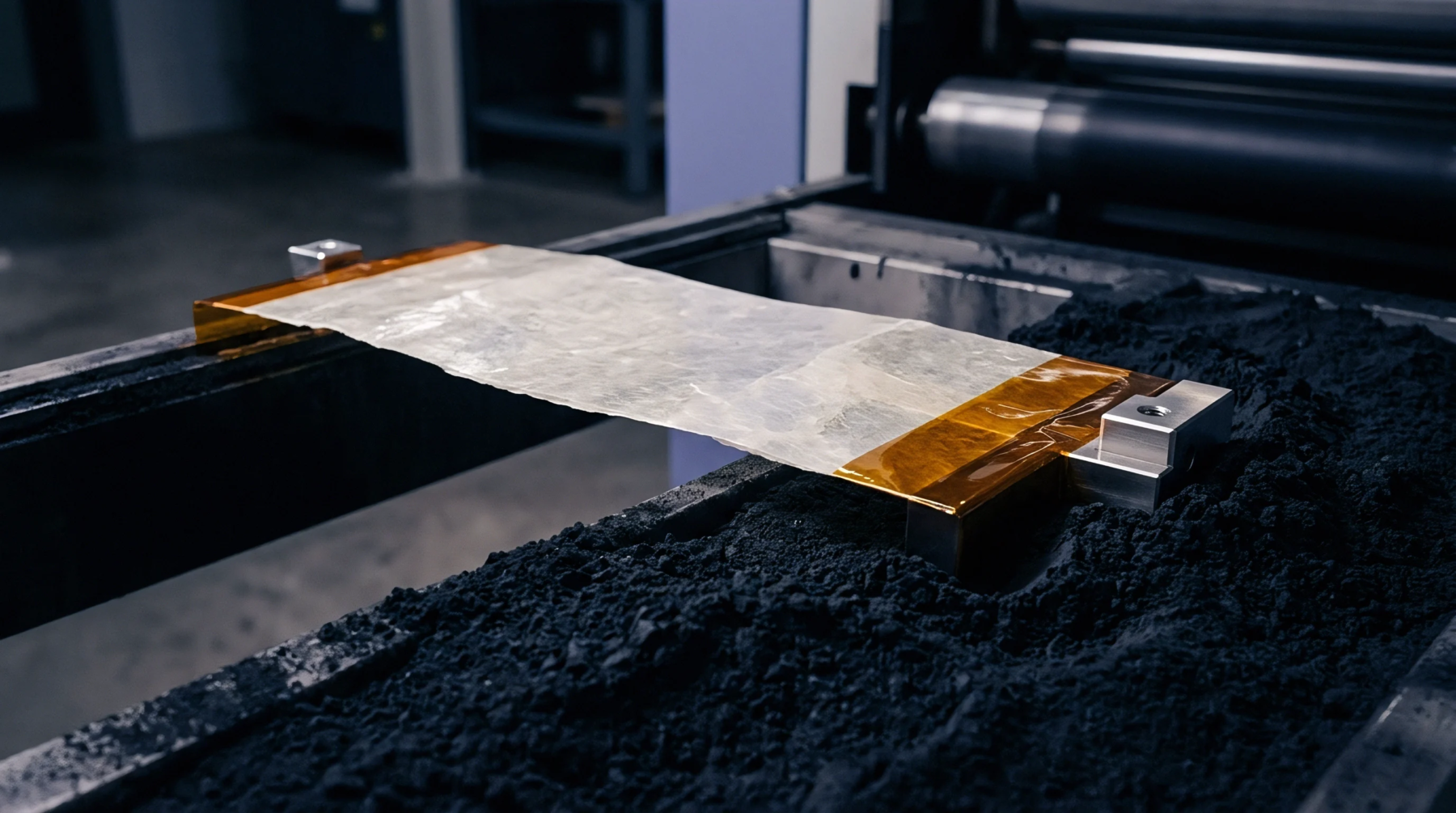
Thermally induced porosity expansion occurs when trapped argon exerts internal pressure exceeding matrix creep strength during high-temperature thermal exposure.

Dynamic module pressure retention requires continuous dynamic strain compensation to prevent lithium metal anode degradation and structural pack housing fatigue.
Thermal expansion and cell swell induce cyclic shear stresses that trigger weld fatigue and interconnect creep, requiring compliance flexure loops.
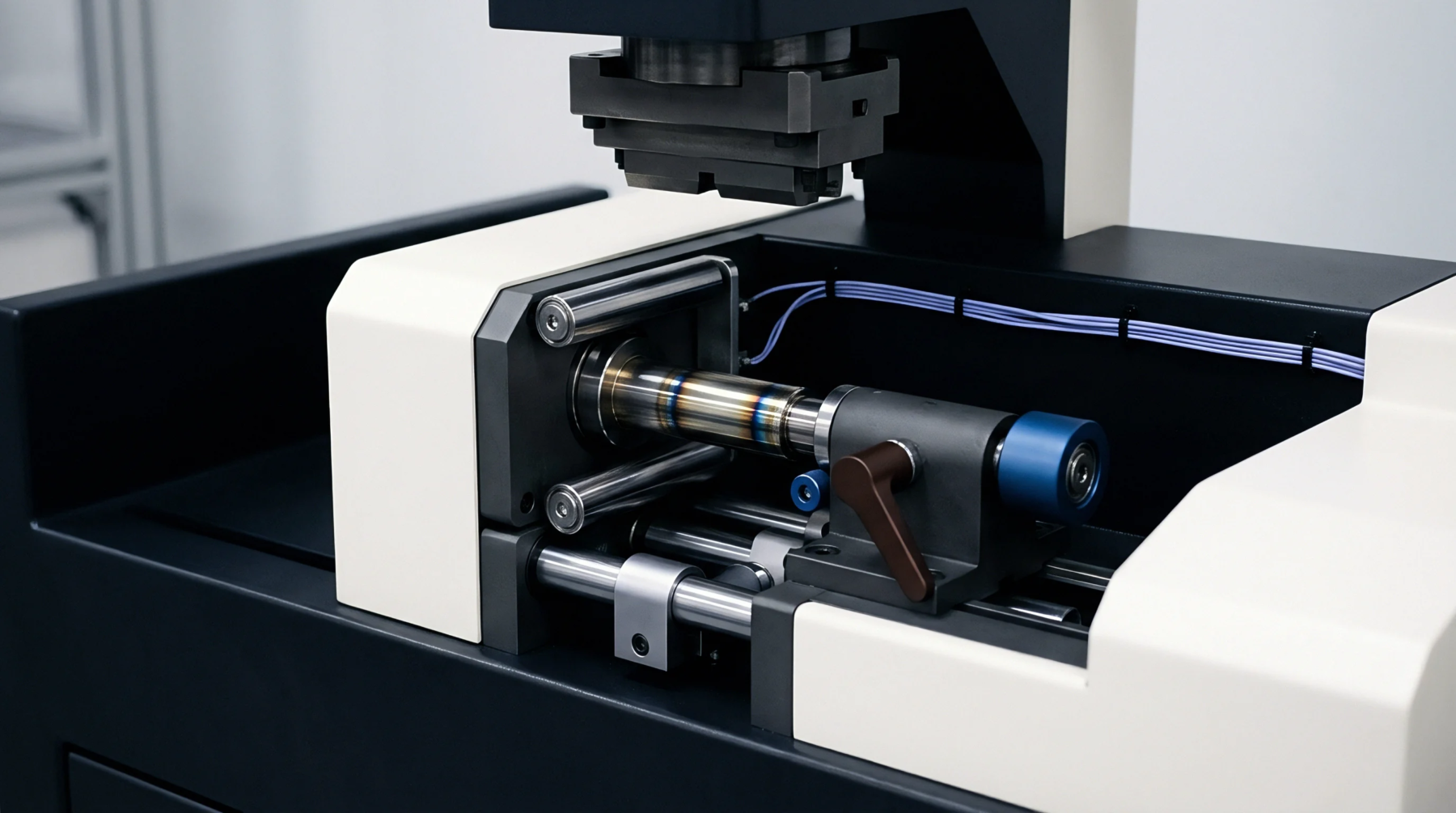
Optimizing module heat dissipation demands matching thermal interface wet-out and structural clamping spring rates to compensate for cyclic cell expansion.

Applying targeted dynamic platen pressure suppresses interfacial void formation by forcing viscoplastic lithium creep backfill to match electrochemical stripping fluxes.

Solid-state prismatic expansion demands dynamic stack compression and strict header weld strain limits to prevent interfacial delamination and capacity fade.
Expertise is a utility, not a secret. sentiention™ publishes its working knowledge as open reference: intelligence layer covering the materials it sources, the markets it enters, and the reference that serves both.