Evaluating Electrochemical Impedance Spectroscopy Criteria for Subzero Lithium Plating Detection under Dynamic Heavy Vehicle Loads
Electrochemical impedance spectroscopy detects subzero lithium plating by tracking charge-transfer resistance collapse and high-frequency phase angle shifts.
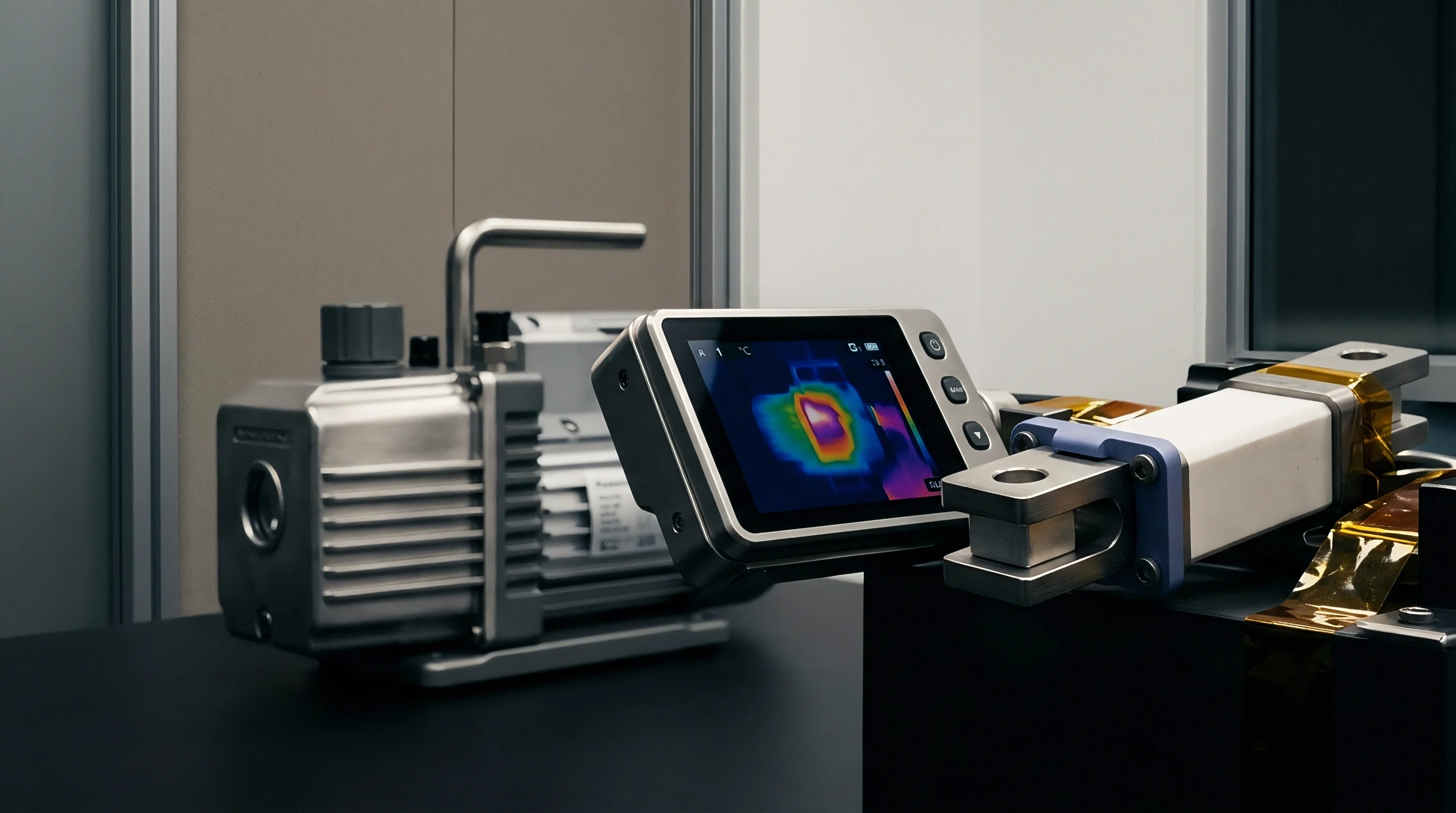

Nucleation
Subzero temperatures alter both the thermodynamics and reaction kinetics within high-capacity lithium-ion cells. At room temperature, graphite anodes intercalate incoming lithium ions into carbon layers with minimal polarization. Below freezing, however, solid-state diffusion of lithium through carbon matrices drops by two orders of magnitude while charge transfer resistance across the electrode-electrolyte interface surges.
When a heavy vehicle draws high power or accepts regenerative current under these conditions, the voltage drop across the solid electrolyte interphase pushes the local anode potential below zero volts relative to the lithium reference potential. This shifts thermodynamic equilibrium from intercalation to metallic lithium reduction. Metallic lithium nucleates on carbon surfaces, growing as thin films and dendritic structures directly over graphite particles that consume active lithium ions and permanently reduce cell capacity.
| Parameter | Test Condition (25°C) | Test Condition (-20°C) | Operational Impact |
|---|---|---|---|
| Solid-State Diffusion Coefficient (Ds) | 10-10 cm2/s to 10-9 cm2/s | 10-12 cm2/s to 10-11 cm2/s | Mass transport bottleneck forces surface lithium accumulation. |
| Exchange Current Density (i0) | 1.5 mA/cm2 to 3.0 mA/cm2 | 0.05 mA/cm2 to 0.15 mA/cm2 | Charge transfer kinetics drop, raising reaction overpotential. |
| Anode Overpotential at 1C Charge | +45 mV vs Li/Li+ | -85 mV vs Li/Li+ | Negative overpotential directly initiates metallic deposition. |
| Electrolyte Ionic Conductivity (κ) | 10 mS/cm to 12 mS/cm | 1.2 mS/cm to 2.5 mS/cm | Ohmic resistance increases, creating localized current hotspots. |
Heavy vehicle duty cycles compound this electrochemical vulnerability. Class 8 trucks and transit buses subject battery packs to high-current charge pulses during regenerative braking maneuvers on steep downgrades. A loaded vehicle descending a grade at minus twenty degrees Celsius delivers transient charge spikes reaching two to three times the continuous C-rate rating of the cell, rapidly saturating the interfacial charge-transfer capacity of the cold anode.
At minus twenty degrees Celsius, a charge pulse exceeding zero point five C depresses the graphite anode potential below zero volts relative to lithium metal within eight seconds.
The rate of metallic lithium deposition scales with the magnitude and duration of negative anode overpotential. Initial plating forms an amorphous metallic layer, but repeated dynamic charge spikes accelerate the growth of branched dendritic filaments toward the polymer separator. When dendrites breach the separator, the resulting micro-shorts cause irreversible capacity loss, severe self-discharge, and elevated thermal runaway hazards.


Impedance
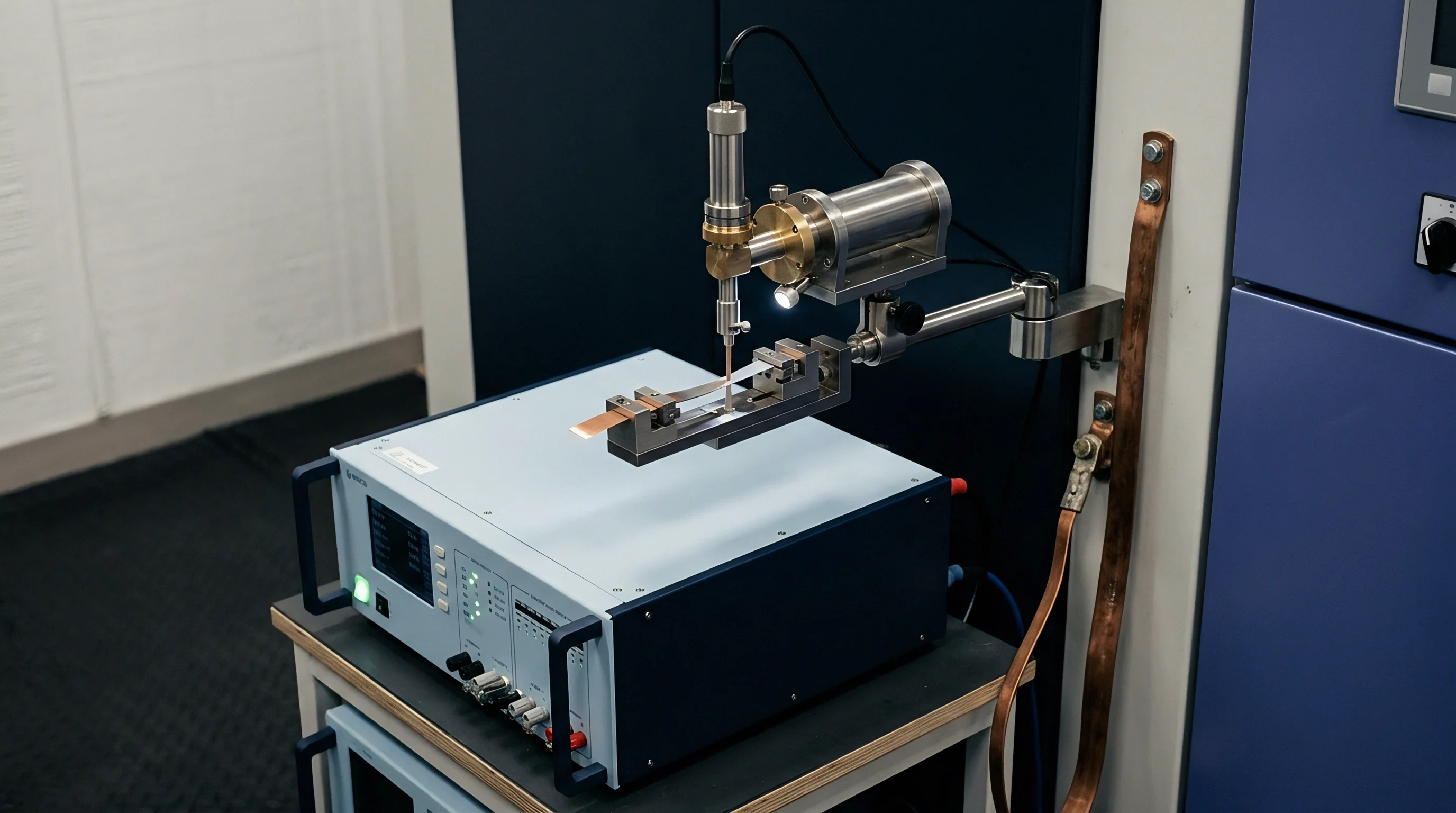
Frequency Domain Alterations Induced by Metallic Deposition
Electrochemical impedance spectroscopy isolates physical processes inside a cell across distinct excitation frequencies. High frequencies measure purely ohmic resistance from current collectors, tabs, and bulk electrolyte. Mid-frequency spectra capture double-layer charging and interfacial charge transfer across both electrode coatings, while low frequencies reflect mass transport through the solid-state matrix.
When subzero conditions induce metallic lithium plating, the interfacial reaction architecture transforms. Intercalation requires lithium ions to cross the solid electrolyte interphase into the graphite lattice, whereas metallic plating introduces a parallel pathway characterized by low activation energy for direct reduction onto existing metal nuclei. This parallel route alters the mid-frequency arc on a Nyquist plot, causing a localized reduction in charge transfer resistance along with a distinct distortion of the phase angle spectrum.
Distribution of relaxation times analysis processes complex impedance spectra to deconvolute overlapping electrochemical process peaks. In healthy cells operating at subzero temperatures, the charge transfer arc exhibits a broad, singular relaxation peak corresponding to high interfacial resistance. Upon the onset of lithium plating, the distribution splits into two distinct time constants: the faster time constant marks the lower-energy metallic reduction, while the slower time constant remains tied to sluggish graphite intercalation.
- Mid-frequency arc depression manifests as an abnormal flattening of the charge transfer semicircle in the 10 Hz to 100 Hz region during high-current charging pulses.
- Time constant splitting creates a secondary peak within the distribution of relaxation times spectrum between 0.01 seconds and 0.1 seconds, confirming two concurrent interfacial reduction mechanisms.
- Phase angle deviation shifts the high-frequency response toward lower negative phase angles as conductive metallic film formation alters double-layer capacitance.
- Warburg tail rotation increases low-frequency mass transfer impedance angles due to local ion depletion adjacent to dense lithium plating layers.
A rapid decrease in high frequency phase angle during cold pulse charging marks the transition from intercalation to surface plating.
| Frequency Band | Equivalent Circuit Element | Nominal Behavior (-20°C) | Plating Signature |
|---|---|---|---|
| 10 kHz to 1 kHz | Ohmic Resistance (RΩ) | Monotonic increase with temperature drop | Transient stability followed by gradual drop if bulk shorting occurs |
| 100 Hz to 100 Hz | Solid Electrolyte Interphase (RSEI, CPESEI) | Stable arc radius proportional to film thickness | Phase angle depression exceeding five degrees relative to baseline |
| 100 Hz to 1 Hz | Charge Transfer (Rct, CPEdl) | High arc magnitude reflecting slow insertion kinetics | Sudden magnitude reduction due to parallel metallic reduction pathway |
| 1 Hz to 0.01 Hz | Warburg Diffusion (Zw) | 45-degree linear tail indicating solid diffusion | Tail angle rotation above 50 degrees due to interfacial concentration gradients |
Monitoring these frequency-domain criteria enables non-destructive detection of surface metal accumulation before macro-scale dendrites penetrate cell separators, though dynamic charge relaxation during operation can obscure transient impedance shifts.
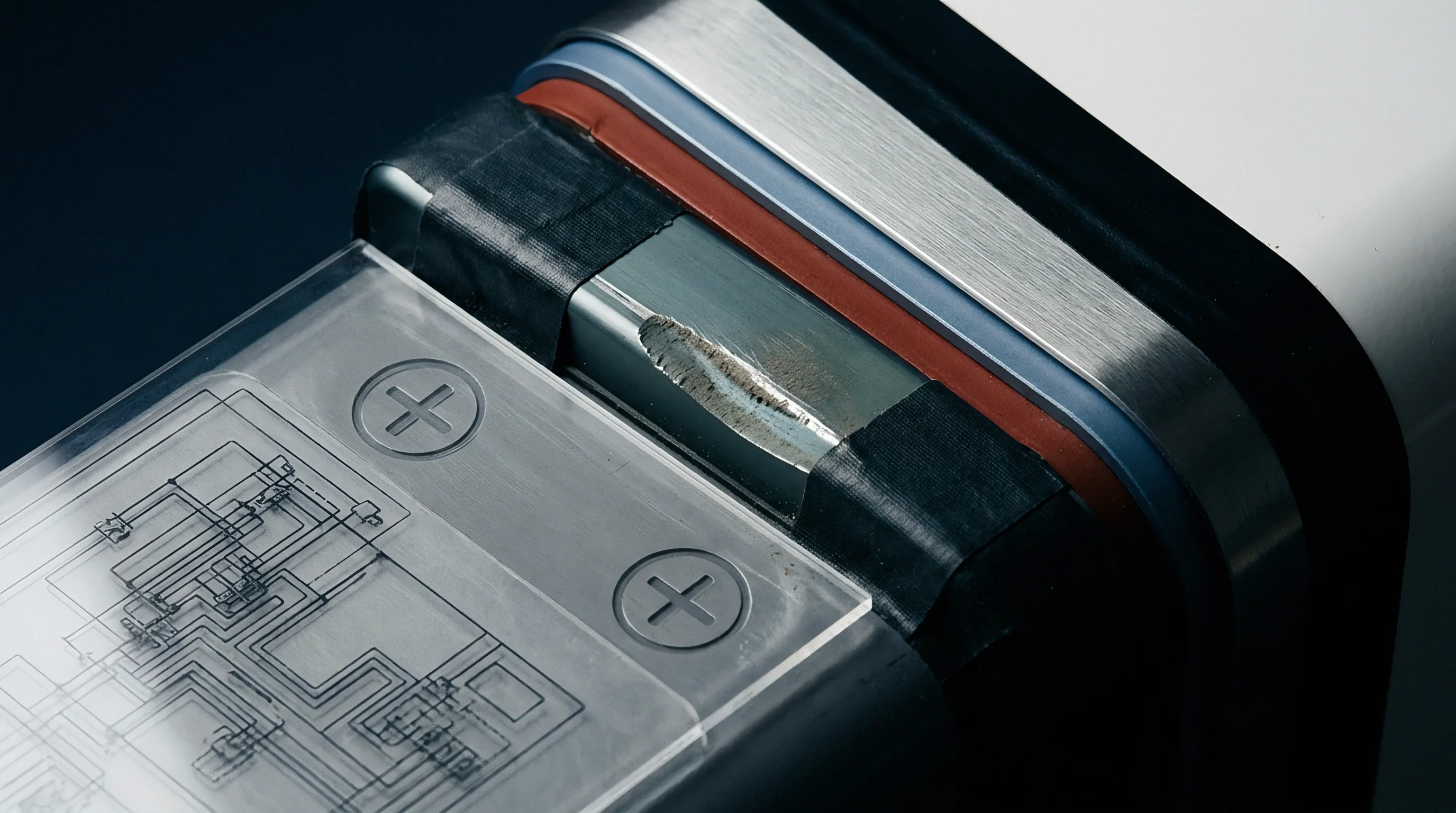
Transient

Accelerated Plating under Dynamic Regenerative Braking versus Continuous Charging
Heavy commercial electric vehicles subject battery systems to dynamic current profiles unlike standard laboratory cycle tests. Long highway hauls punctuated by mountain passes demand brief periods of continuous high-power discharge followed by intense, high-rate regenerative charge events. Because solid-state diffusion limits charge acceptance, dynamic loading prevents the cell from establishing steady-state thermal or concentration gradients, inducing localized electrochemical instability across the anode surface.
In a 350 Ah prismatic nickel-manganese-cobalt cell operating at an internal core temperature of minus fifteen degrees Celsius, steady charging at a constant 0.2C rate generates minimal internal Joule heating, maintaining a uniform negative overpotential of 20 mV at the anode surface. When that same cell accepts a 3C regenerative pulse lasting twenty seconds, local current density at the front face of the electrode exceeds 12 mA/cm². Localized mass transport limitations drive the electrolyte salt concentration near the graphite particles toward zero, pushing the local anode potential down to minus 140 mV relative to lithium metal.
Online inspection procedures evaluate these transient dynamic events by imposing high-frequency AC perturbation signals directly over the direct-current load. Laboratory test protocols simulate continuous downhill braking by applying programmatic pulsed charge profiles on specialized multi-channel cell cyclers connected to climate chambers.
- Stabilize the test cell inside a thermal chamber at minus twenty degrees Celsius for twelve hours to eliminate thermal gradients.
- Apply a dynamic baseline current profile simulating five minutes of heavy vehicle city driving with high discharge transients.
- Inject a continuous 10 Hz AC perturbation signal onto the direct-current load to track real-time phase angle shifts throughout the cycle.
- Subject the cell to a simulated thirty-second 2.5C regenerative braking pulse while recording high-speed voltage and impedance spectra.
- Measure post-pulse impedance relaxation over a ten-minute rest period to detect chemical re-intercalation of temporarily plated lithium metal.
During the ten-minute rest period following a dynamic charge spike, chemically active metallic lithium re-intercalates back into the graphite lattice if temperature and local potential permit. This stripping process creates a characteristic voltage plateau on the relaxation curve, which online impedance spectroscopy captures through a temporary decrease in low-frequency charge transfer resistance.
Dendrite growth during subzero regenerative braking permanently consumes active lithium inventory and degrades cell capacity.
High subzero charge pulse limits are often treated as safe provided cumulative energy duration remains below thirty seconds per event. However, repeated pulse sequences without sufficient rest intervals between braking events build localized interfacial concentration polarization, accelerating dendrite propagation even when individual pulse durations remain within nominal specification boundaries.
Threshold
To operate heavy commercial vehicles safely in Arctic or subzero winter climates, battery management system software incorporates automated electrochemical impedance diagnostics. Integrating real-time high-frequency spectroscopy into battery management electronics allows vehicle controls to throttle regenerative braking power before irreversible structural plating damage occurs. Algorithms track the charge transfer resistance ratio relative to calibrated baseline lookup tables stored in controller memory.
| Diagnostic Parameter | Baseline Value (-15°C) | Warning Threshold | BMS Control Action |
|---|---|---|---|
| Charge Transfer Ratio (Rct / Rct,base) | 1.00 | < 0.82 | Derate regenerative charging current by 50 percent. |
| Phase Angle Shift (Δ thη at 50 Hz) | 0.0 deg | > 4.5 deg shift | Restrict peak regenerative braking pulse duration to 5 seconds. |
| Post-Pulse Stripping Relaxation Delay | < 15 seconds | > 120 seconds | Disable fast charging and engage active pack heating circuits. |
| Ohmic Resistance Jump (Δ RΩ) | 0.0 mΩ | > 0.3 mΩ spike | Open pack contactors to prevent thermal runaway from micro-shorts. |
Procurement specifications for heavy vehicle cell orders incorporate strict low-temperature qualification requirements to mitigate fleet financial exposure. Verification tests mandate full spectral impedance profiling before and after subzero endurance cycling.
- Subzero pulse qualification mandates five hundred consecutive 2C charge pulses at minus twenty degrees Celsius without displaying charge transfer resistance degradation exceeding ten percent.
- Destructive teardown audit requires physical extraction of anodes from tested sample cells inside an argon glovebox to confirm zero metallic lithium coverage via visual inspection and scanning electron microscopy.
- Differential capacity analysis checks for secondary oxidation peaks during post-test low-rate discharge cycles to verify complete absence of un-stripped surface metal deposits.
- Warranty liability boundaries bind cell manufacturers to financial coverage for premature pack degradation when operating profiles remain strictly within defined EIS phase angle and temperature boundaries.
IEC 62660 three cell qualification tests reject lots exhibiting a charge transfer resistance collapse greater than fifteen percent during subzero endurance cycling.
Supply contracts for high-capacity commercial vehicle cells require precise legal language defining test procedures and non-conformance thresholds. Standard procurement agreements incorporate clause language stating: “If incoming cell sample lots subjected to cold pulse qualification testing per IEC 62660-3 display an anomalous shift in charge transfer impedance exceeding twelve percent at minus twenty degrees Celsius, the buyer retains the absolute right to reject the entire batch shipment at the seller’s expense.”