Maritime Dangerous Goods Segregation and Container Thermal Isolation Protocols for Large Scale Battery Shipments
Containerized battery shipments require strict IMDG segregation, state of charge caps under thirty percent, and passive thermal isolation on deck.
Classification
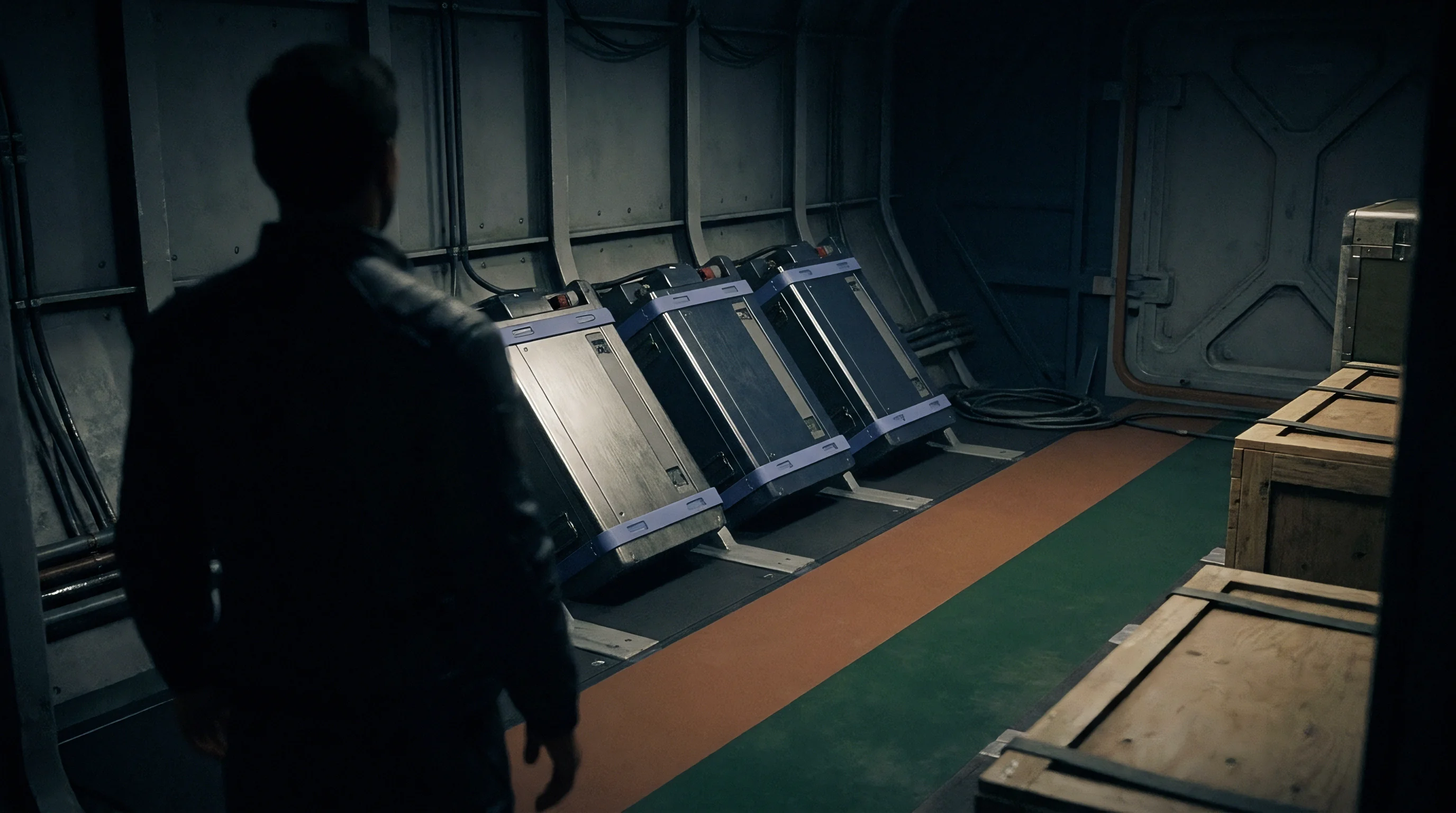
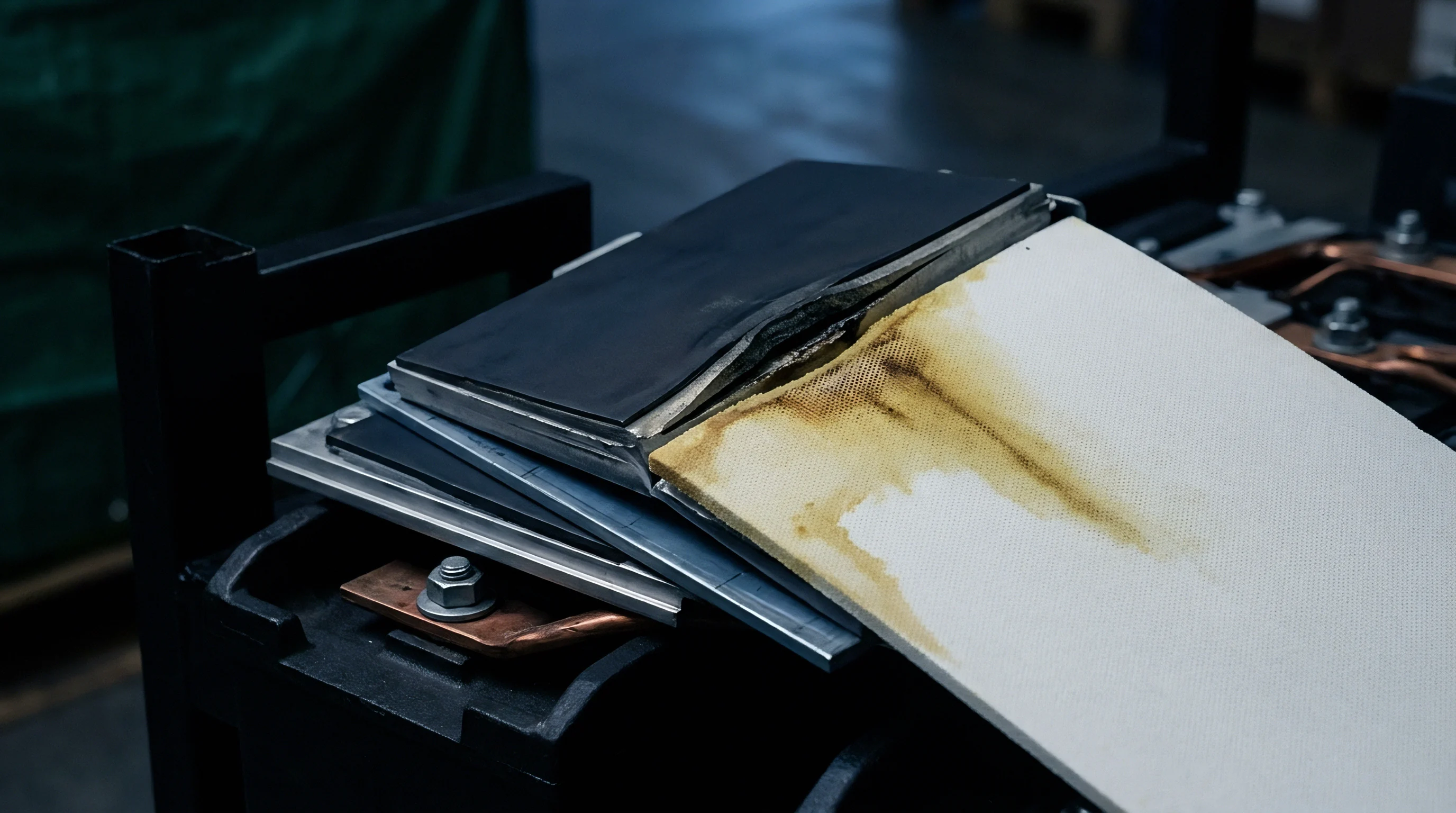
Ocean carriage of bulk lithium-ion battery modules falls under international maritime codes that classify energy storage hardware by chemical hazard and stored energy. Under the International Maritime Dangerous Goods Code, strict rules dictate packaging, labeling, and vessel placement to prevent cascading thermal failure at sea. Shippers moving high-capacity systems must align their freight with Class 9 requirements, ensuring each container arrives at the port terminal with complete safety documentation.

Hazard Categorization under International Maritime Dangerous Goods Rules
At sea, bulk shipments are assigned either UN 3480 for standalone cells and modules, or UN 3481 when cells are integrated into equipment or storage enclosures. Gas generation during cell faults makes correct classification critical, as the UN number sets structural packaging criteria, exterior labeling, and manifest emergency response instructions. Damaged or defective batteries carry far higher risks and fall under UN 3766, which prohibits standard container transport without competent authority approval.
Class 9 lithium shipments require outer packaging that withstands the mechanical impacts and pressure drops typical of rough crossings. Most commercial energy storage consignments use UN-certified steel drums, aluminum boxes, or rigid plastics rated to Packing Group II. Before certification, designs undergo drop tests, stacking resistance checks, and leak-tightness testing to verify they will hold up under severe vessel motion.

State of Charge Thresholds and Special Provisions
Lithium iron phosphate and nickel manganese cobalt battery packs face strict capacity caps before gate-in. Unless flag state authorities grant explicit written approval, maritime regulations restrict standalone lithium-ion cells to a maximum nominal state of charge of thirty percent. Capping the charge curbs total electrochemical energy, which lowers peak flame temperatures and curtails off-gas volume if a thermal event occurs.
Under Special Provision 384, cargo transport units carrying lithium batteries must display Class 9 hazard placards and UN identification numbers on all four exterior walls. While Special Provision 188 exempts small consumer cells, utility-scale modules far exceed those thresholds. To confirm compliance before locking container doors, shippers test cell open-circuit voltage on the factory floor.
| UN Designation | Stowage Category | State of Charge Cap | Segregation Standard |
|---|---|---|---|
| UN 3480 (Lithium Ion Batteries) | Category A (On deck or under deck) | 30 percent maximum nominal capacity | Clear of living quarters; 3-meter separation from flammable liquids |
| UN 3481 (Lithium Ion Packed with Equipment) | Category A (On deck or under deck) | Manufacturer shipping level | Separated longitudinally by intervening compartment from Class 1 explosives |
| UN 3766 (Defective or Damaged Cell Units) | Category D (On deck only, thermal isolation mandated) | 0 percent state of charge verified | Isolated by 6 meters from combustible materials and vessel exhaust vents |
Incorrect chemical classification routinely triggers container impoundment at transshipment hubs, voiding cargo insurance and generating demurrage fees that quickly outstrip the original ocean freight rate.

Insulation
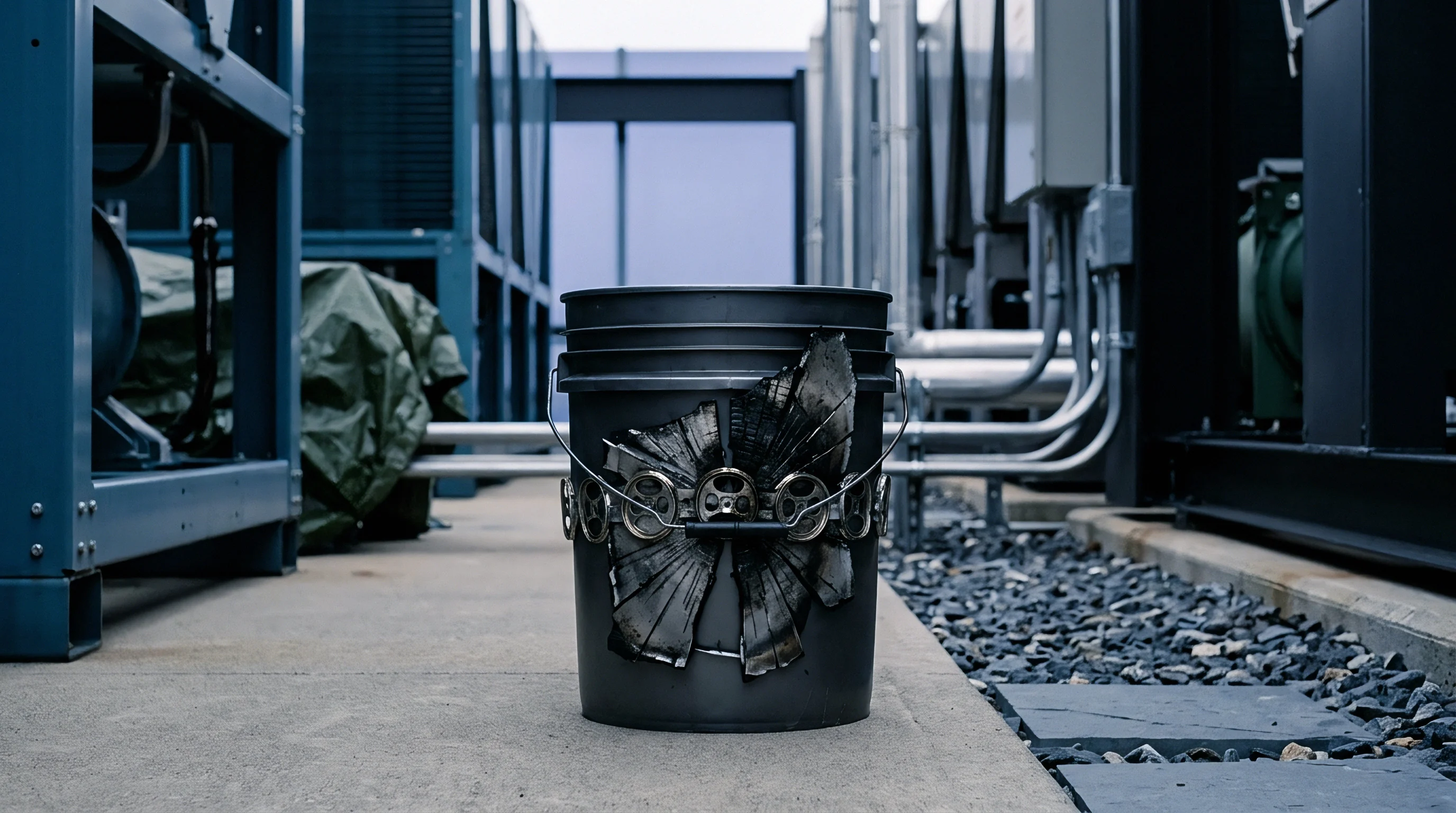
Containerized battery storage systems mounted on open decks endure heavy solar radiation along equatorial shipping lanes. Raw Corten steel heats up fast, pushing internal air temperatures well beyond safe limits for cell storage. Lining container walls, ceilings, and floors with passive thermal barriers buffers the batteries against these external spikes, preventing rapid electrolyte breakdown and early runaway triggers.

Thermal Resistance Mechanics of Passive Container Linings
Standard ISO containers built from corrugated Corten steel provide almost no thermal inertia in direct heat. Dark paint coatings frequently have solar absorption coefficients around 0.85, driving internal skin temperatures past 70 °C under tropical sun. Fitting interior insulation breaks this conductive pathway and helps maintain a manageable internal climate.
Silica aerogel blankets are increasingly used where interior clearances are tight, providing high thermal resistance in a slim profile. With thermal conductivities below 0.018 W/m·K, aerogels outperform mineral wool without consuming valuable container volume. Adding phase-change composites into the wall assembly absorbs latent heat through peak daylight hours, holding internal air near 40 °C before venting that energy during cooler nights.
Heat transfer across an uninsulated steel container deck exposed to 800 W/m² solar irradiance elevates interior air temperature to 68 °C within six hours.
Calculation of Internal Temperature Rise under Peak Solar Exposure
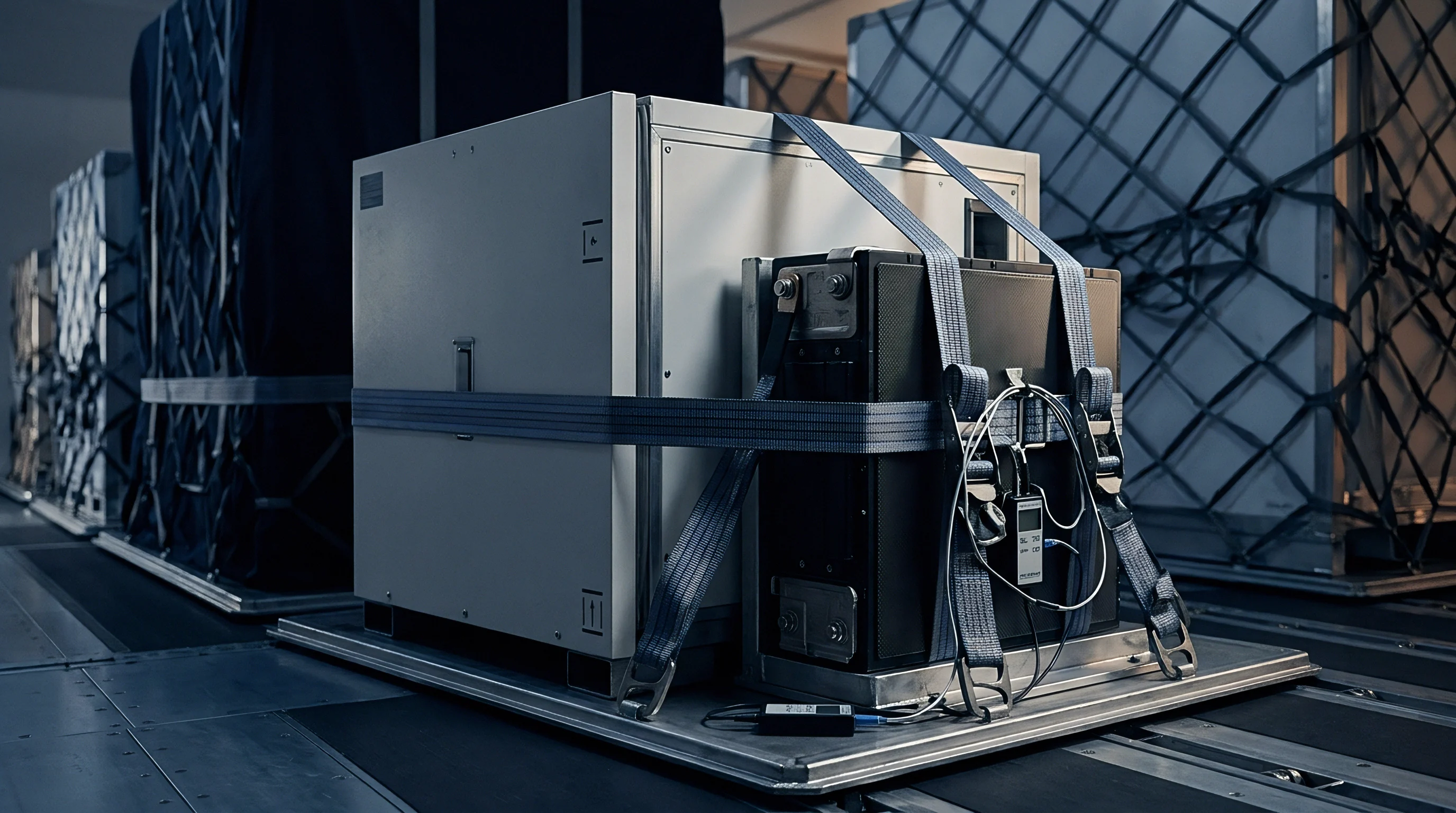
Thermal balance models for a forty-foot high-cube container loaded with twenty-two metric tonnes of batteries determine the necessary barrier thickness. On an equatorial route with 45 °C ambient air and 800 W/m² solar irradiance hitting 29.7 square meters of exposed roof, bare corrugated steel allows roughly 23.7 kW of continuous thermal energy into the cargo bay.
Lining the ceiling and side panels with 50 mm of silica aerogel composite changes these figures entirely. The aerogel raises the wall R-value from 0.45 m²·K/W to 3.22 m²·K/W, dropping convective heat flux into the interior to roughly 0.41 kW at peak sun. As a result, internal temperatures remain under 42 °C, keeping cells stable over a twenty-day voyage.
| Barrier Material Type | Thermal Conductivity (W/m·K) | Thickness Requirement | Maximum Interior Temp (50 °C Deck Ambient) |
|---|---|---|---|
| Standard Mineral Wool Blanket | 0.038 | 100 mm | 54.2 °C |
| Silica Aerogel Composite Insulation | 0.018 | 40 mm | 43.8 °C |
| Vacuum Insulation Panels (VIP) | 0.004 | 25 mm | 36.5 °C |
| Phase Change Material (PCM) Board | 0.150 (Latent Heat 180 kJ/kg) | 50 mm board | 41.2 °C |
Passive insulation keeps heat from bleeding through the walls into battery modules during prolonged port delays. Applying reflective coatings to the exterior roof reinforces this protection, bouncing up to ninety percent of shortwave solar radiation back into the atmosphere.
Off-gassing during an early-stage thermal event releases toxic hydrogen fluoride gas long before open flame penetrates the battery module casing.
Standard marine container walls offer basic shade, but uninsulated steel still conducts severe ambient heat without auxiliary thermal barriers.
Deck
Stowage plans determine whether dangerous goods travel on weather decks or inside enclosed holds. Stowing large lithium battery units on open deck facilitates natural dispersion of toxic off-gassing and gives shipboard firefighting crews direct access for boundary cooling. Stowing below deck shields containers from solar radiation, but risks rapid gas buildup if a thermal fault develops in an enclosed space.

Which Vessel Compartments Permit Submerged Thermal Venting?
Cargo holds beneath the waterline lack direct atmospheric relief, leaving off-gas nowhere to vent. IMDG guidelines list battery containers under Stowage Category A ~ permitting both on-deck and below-deck positions ~ yet recommend upper weather decks for high-capacity systems. Stacking containers in top tiers ensures vessel water monitors can reach and cool the exterior steel without obstruction.
Weather deck stowage exposes enclosures to salt spray, heavy green water, and high winds. Door gaskets and corner castings must maintain tight seals against brine ingress, which can induce electrical tracking across high-voltage terminals. Effective stowage strategies balance this need for weatherproofing with thermal protection against direct sun.
Active Thermal Monitoring and Emergency Flush Infrastructure
Vessels moving volume battery freight increasingly mount infrared sensors along container bay guides. These sensors relay real-time casing temperatures straight to the bridge, alerting the crew to thermal spikes hours before smoke vents from a container. That early warning window lets crew members start boundary cooling before internal cell failure cascades.
- Confirm thermal sensor calibration certificate matches carrier specifications before container loading commences.
- Inspect container twist-lock assemblies and corner fittings for mechanical distortion that compromises weather tightness.
- Verify external emergency nitrogen purge connection ports remain accessible to shipboard firefighting crews.
- Measure ambient bay surface temperature to establish baseline thermal readings prior to ocean departure.
State of charge reduction before container loading expands the thermal runaway ignition delay window during ocean transit.
Directing water onto container walls pulls out heat through conduction, keeping internal battery modules below runaway thresholds. Specialized dangerous goods containers also feature external nitrogen purge ports, allowing crew members to flood the interior with inert gas to displace oxygen and smother open combustion.
Stowing battery containers in outboard weather bays ensures venting gases blow clear of engine room and accommodation air intakes.

Filing
Carriers accept hazardous battery freight only after reviewing evidence of rigorous testing and correct cargo staging. Missing test summaries, incomplete safety data sheets, or out-of-date dangerous goods declarations will halt bookings immediately. A fully documented safety file prevents rejections at terminal gates and demonstrates due diligence should underwriters audit a shipment.
Dangerous Goods Declaration Dossier Verification
Shippers submit UN 38.3 Test Summaries and safety data sheets to carrier booking desks well before cargo moves to the gate. The dangerous goods declaration must specify the exact chemistry, UN numbers, net battery weights, 24-hour emergency contacts, and state-of-charge certifications signed by qualified personnel. Transshipment terminals inspect these declarations against physical container placards before clearing units for loading.
Carrier safety desks verify that cell designs have completed full mechanical and electrical stress testing under UN 38.3. This standard requires cells to pass altitude simulation, thermal cycling, vibration, shock, external short circuit, impact, overcharge, and forced discharge. If a summary omits even one parameter, the carrier will reject the booking.
Carrier Approval Gates and Port State Controls
Port captains check dangerous goods declarations against local environmental restrictions and terminal handling permits. Gate inspectors then examine container placards to confirm that Class 9 labels and UN numbers meet statutory specifications for character height, colorfastness, and weather resistance.
- UN 38.3 Test Summary Documentation certifies that representative cells passed altitude simulation, thermal testing, vibration, shock, external short circuit, impact, overcharge, and forced discharge protocols.
- State of Charge Certificate verifies that nominal charge did not exceed thirty percent of rated capacity when the container doors were sealed.
- Packaging Approval Certification confirms that outer packaging meets UN 4G or 4GV performance ratings, backed by certified drop-test reports.
- Emergency Response Guide Dossier specifies approved firefighting media, venting response protocols, and required thermal imaging intervals during transit.
IMDG Code Special Provision 384 mandates Class 9 hazard labels on cargo transport units, failing which port authorities issue immediate detention orders at the terminal berth.
Port authorities strictly cap dangerous goods dwell times on terminal quays. Containers flagged for paperwork discrepancies are shunted into isolated holding blocks, where daily storage fees rack up while shippers scramble to correct filings or obtain repackaging approvals.
Under Clause 14 of standard marine bills of lading, shippers bear full financial liability for hold decontamination if undeclared batteries off-gas in transit.

Claim
Shipboard battery fires trigger protracted legal fights over vessel damage, cargo loss, and salvage expenses. Untangling liability requires navigating multi-jurisdictional maritime law, bill of lading terms, and specific insurance policy exclusions. Forwarders and shippers must assess their exposure before booking space, verifying that their coverage extends to General Average declarations and environmental cleanup mandates.

General Average Adjustments in Marine Battery Incidents
Shipowners declare General Average when a master undertakes extraordinary sacrifices ~ such as flooding a hold ~ to save the ship. Under this maritime doctrine, every cargo owner aboard contributes proportionally to the salvage costs and sacrifice losses, even if their own containers emerge untouched. Shippers moving batteries risk immense financial exposure if a thermal incident forces an emergency port call or extensive vessel salvage.
Salvors hold maritime liens against the cargo, preventing discharge at destination until cargo interests post acceptable cash deposits or underwriter guarantees. These General Average bonds frequently run between twenty and fifty percent of commercial cargo value, tying up substantial capital while casualty investigators assess the incident.

Insurance Exclusions and Cargo Shipper Recourse
Underwriters pore over packing records looking for any breach of maritime dangerous goods regulations. Marine cargo policies routinely exclude claims stemming from improper packaging, state-of-charge violations, or invalid UN 38.3 test summaries. A paperwork flaw can void coverage entirely, exposing shippers to direct subrogation lawsuits from the carrier and owners of damaged neighboring cargo.
- General Average Contribution Demands bind all cargo interests to cover proportional shares of vessel salvage expenses, irrespective of physical damage to their own freight.
- Subrogation Recovery Actions enable insurers to seek recovery directly from cell manufacturers if latent defects sparked the blaze.
- Terminal Storage Demurrage Costs compound daily whenever port authorities quarantine containers over documentation discrepancies.
Rigorous oversight of cell manufacturing, thermal insulation, and dangerous goods documentation remains the only reliable defense against liability when moving energy storage equipment across ocean routes.
Maritime courts continue to split on whether thermal runaway resulting from latent cell defects constitutes vessel unseaworthiness or the cargo’s own inherent vice.