Mathematical Modeling of Solvent Outgassing Kinetics through Pouch Cell Channels
Solvent outgassing through pouch seals follows Knudsen diffusion across micro-channel voids, requiring precise thermal-seal control to prevent UN 38.3 mass loss failure.

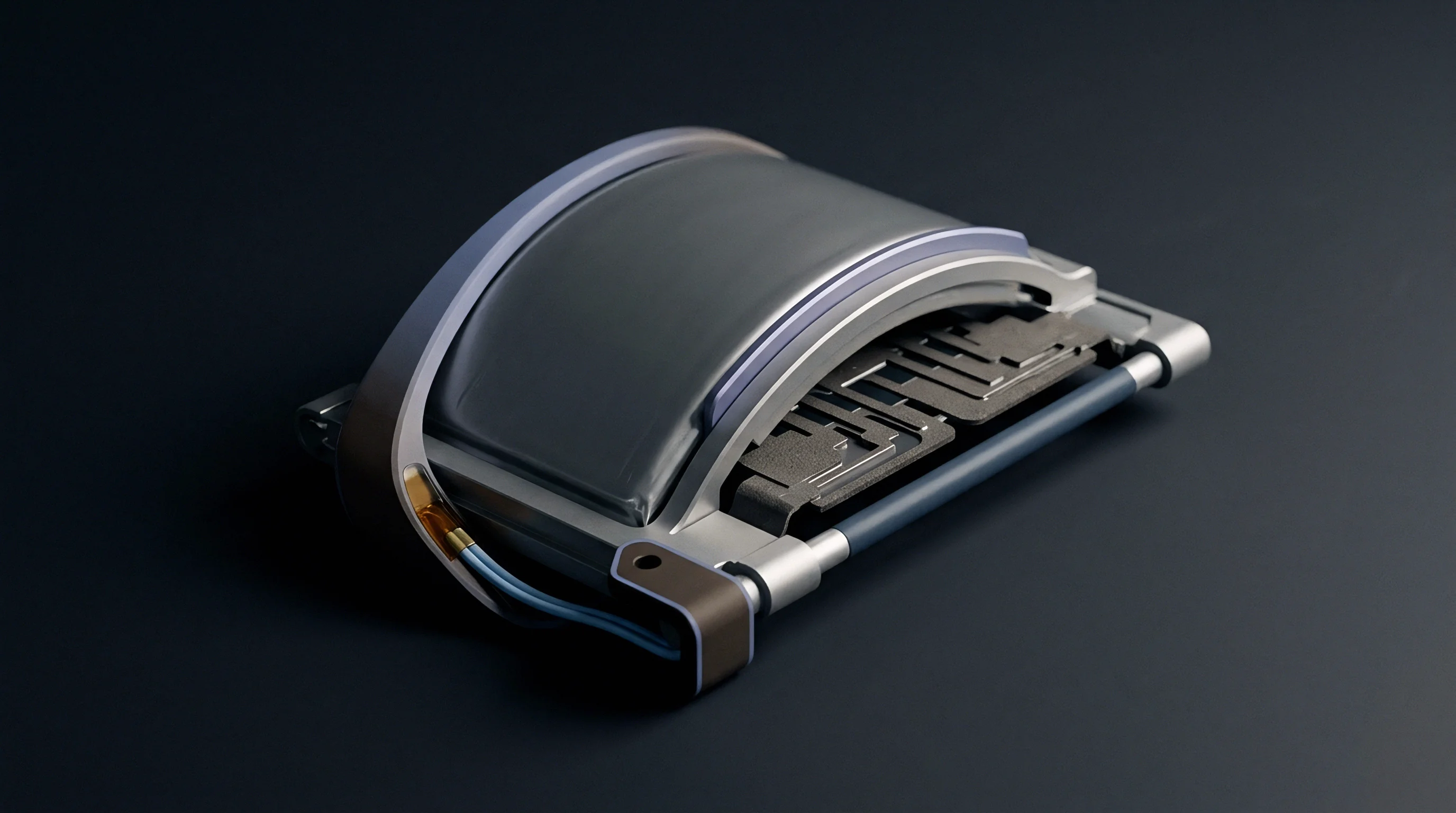
Kinetics

Hydrodynamic and Knudsen Knudsen-Regime Transport in Microscopic Seal Gaps
Mass transfer through the sealed perimeter of a lithium-ion pouch cell proceeds along microscopic voids at the interface between the heat-sealed polyolefin layer and the metallic tab leads or adjacent polymer film faces. Gas evolution within the cell void volume creates an internal hydrostatic force that drives volatile components outward. The flow mechanism inside these internal conduits shifts across distinct physical transport regimes depending on the ratio of the molecular mean free path of the gas phase species to the characteristic hydraulic channel diameter, expressed by the dimensionless Knudsen number.
When the hydraulic diameter of the seal gap remains significantly larger than the mean free path, continuum fluid dynamics govern flow behavior, described by Navier-Stokes equations for viscous fluid movement under a parabolic velocity profile.
Thermal stress accelerates the vaporization of low-boiling linear carbonates such as dimethyl carbonate and ethyl methyl carbonate, elevating internal pressure above ambient atmospheric conditions. As solvent molecules move into narrow interface channels where the mean free path approaches or exceeds the conduit dimension, wall collisions dominate over intermolecular collisions. Knudsen diffusion replaces viscous continuum flow as the primary transport mode, altering mass flux rates by orders of magnitude.
Mathematically, the transition regime requires Knudsen diffusion formulations integrated with Darcy flow permeability models to capture total mass transfer rates accurately across variable channel cross-sections.
Vapor phase transport inside micro-channels shifts from continuum Navier-Stokes flow to Knudsen diffusion when channel hydraulic diameter drops below 45 nanometers at 100 kilopascals baseline cell pressure.
Quantifying mass transport kinetics through pouch cell seals depends on establishing precise micro-channel geometry parameters. Seal width, compression ratio, local temperature gradients, and polymer surface roughness govern total channel hydraulic resistance. Dynamic modeling pairs Fickian diffusion equations with pressure-driven Darcy flow models across the boundary layer to calculate kinetic rate constants for each volatile solvent constituent escaping the cell core.
Transport Regime Boundaries across Micro-Channel Geometries
The transition between viscous flow, slip flow, Knudsen diffusion, and molecular effusion depends on operating temperature and pressure differentials across the pouch edge heat seal. The following comparison outlines the kinetic parameters defining each flow regime within pouch cell boundary micro-channels under standard battery testing environments.
| Transport Regime | Knudsen Range | Hydraulic Diameter Range | Dominant Driving Mechanism | Mass Flux Governing Equation |
|---|---|---|---|---|
| Viscous Continuum Flow | Kn less than 0.01 | Greater than 7 micrometers | Bulk Hydrostatic Pressure Gradient | Poiseuille Viscous Flow Equation |
| Slip Flow Transition | 0.01 to 0.10 | 0.7 to 7 micrometers | Combined Pressure and Wall Slip | Navier-Stokes with First-Order Slip Boundary |
| Knudsen Diffusion | 0.10 to 10.0 | 70 to 700 nanometers | Molecular Concentration Gradient | Fickian Knudsen Diffusion Model |
| Molecular Effusion | Kn greater than 10.0 | Less than 70 nanometers | Thermal Kinetic Kinetic Energy | Graham Molecular Effusion Law |
Determining the transition point where viscous bulk flow yields to Knudsen diffusion remains sensitive to micro-structural polymer deformation under mechanical tab clamping forces during pouch manufacturing. Modeling kinetic rates requires continuously updated channel geometry metrics reflecting real-time thermal expansion and viscoelastic relaxation of the sealing polymer.
The exact point at which micro-channel deformation transitions from elastic compression to irreversible plastic yield under transient thermal venting loads remains an open modeling challenge across multi-layer pouch architectures.

Vapor

Thermodynamic Phase Equilibrium and Solvation Species Off-Gassing
Volatile organic solvent components in liquid electrolyte formulations exhibit temperature-dependent vapor pressures that drive gas-phase mass accumulation inside the pouch head space. Linear carbonates like dimethyl carbonate, ethyl methyl carbonate, and diethyl carbonate possess low boiling points and high saturation vapor pressures relative to cyclic carbonates such as ethylene carbonate or propylene carbonate. Solvation structures between lithium salts and organic solvent molecules shift phase equilibrium behavior away from ideal Raoult law predictions.
High lithium hexafluorophosphate concentrations lower solvent vapor pressure through strong ion-dipole interactions, retaining volatile species in the liquid phase until thermal energy exceeds solvation binding enthalpy.
Elevated storage or cycling temperatures weaken these ion-dipole clusters, releasing free linear carbonate molecules into the gas phase as vapor pressure climbs. Gas chromatography data shows that off-gassing populations at temperatures above 60 degrees Celsius consist primarily of vaporized linear solvents combined with primary thermal decomposition gases like carbon dioxide, carbon monoxide, methane, and ethylene. Kinetic models track the continuous partition coefficient between liquid electrolyte soaked into the electrode stack and the expanding head-space gas volume.
Higher initial linear carbonate content increases gas volume yield during elevated temperature aging.
Solvent degradation pathways accelerate inside high-voltage pouch cells, generating low-molecular-weight volatile species that increase internal partial pressures and accelerate electrolyte dryout. The following list identifies key solvent degradation mechanisms and their contribution to gas volume generation inside pouch enclosures.
- DMC dissociation generates carbon dioxide and dimethyl ether through high-potential oxidative cleavage at the cathode surface during overcharge conditions.
- EMC transesterification yields diethyl carbonate and dimethyl carbonate while releasing trace gaseous alkanes that alter gas mixture molar mass.
- EC decarboxylation produces carbon dioxide gas alongside ethylene oxide derivatives, driving early-stage head-space pressure accumulation during formation cycling.
- VC polymerization off-gassing releases carbon dioxide while building protective interphase layers, creating a transient initial surge in total internal pouch gas volume.
Predicting phase change kinetics requires continuous measurement of internal partial pressures using activity coefficients derived from electrolyte activity models. Neglecting liquid-phase activity shifts leads to overestimating outgassing initiation times by up to 35 percent during high-temperature storage simulations.
Pouch cells containing higher volume ratios of linear to cyclic carbonates exhibit faster gas evolution rates during thermal stress exposure.


Pressure

Governing Partial Differential Equations for Head-Space Pressure Accumulation
Internal pressure growth inside a pouch cell sealed volume results from the net balance between chemical gas generation rates and outward transport flux through peripheral seal channels. Modeling this mass conservation balance relies on partial differential equations linking chemical reaction kinetics inside the electrode roll to fluid transport along edge heat-seal channels. The primary mass balance equation equates the time rate of change of gas mass within the pouch void volume to the volumetric gas generation rate minus the total outgoing mass flux escaping through the seal micro-channels.
Coupling the ideal gas law with modified Redlich-Kwong real gas equations accounts for high-pressure non-ideality within confined pouch volumes before pouch swell occurs. As internal gas mass grows, the flexible pouch foil laminate undergoes mechanical strain, expanding the available void volume and moderating internal hydrostatic pressure buildup. A complete kinetic model solves the coupled structural-fluid equations simultaneously, balancing pouch film elasticity with internal gas evolution.
| Chemical Species | Molar Mass (g/mol) | Vapor Pressure (kPa) | Polypropylene Diffusivity (cm2/s) | Channel Flux Rate (mol/m2-s) |
|---|---|---|---|---|
| Dimethyl Carbonate (DMC) | 90.08 | 8.64 | 1.45 x 10^-8 | 3.12 x 10^-5 |
| Ethyl Methyl Carbonate (EMC) | 104.10 | 3.82 | 8.20 x 10^-9 | 1.64 x 10^-5 |
| Diethyl Carbonate (DEC) | 118.13 | 1.55 | 4.10 x 10^-9 | 7.85 x 10^-6 |
| Carbon Dioxide (CO2) | 44.01 | N/A (Supercritical) | 3.80 x 10^-7 | 8.90 x 10^-4 |
Modeling transport dynamics demonstrates that light permanent gases like carbon dioxide escape rapidly through micro-channels, whereas heavier organic solvent vapors condense within narrow seal pathways, creating localized liquid blockages that temporarily decrease effective gas permeability.
Can Transient Outgassing Overcome Mechanical Clamp Retaining Force?
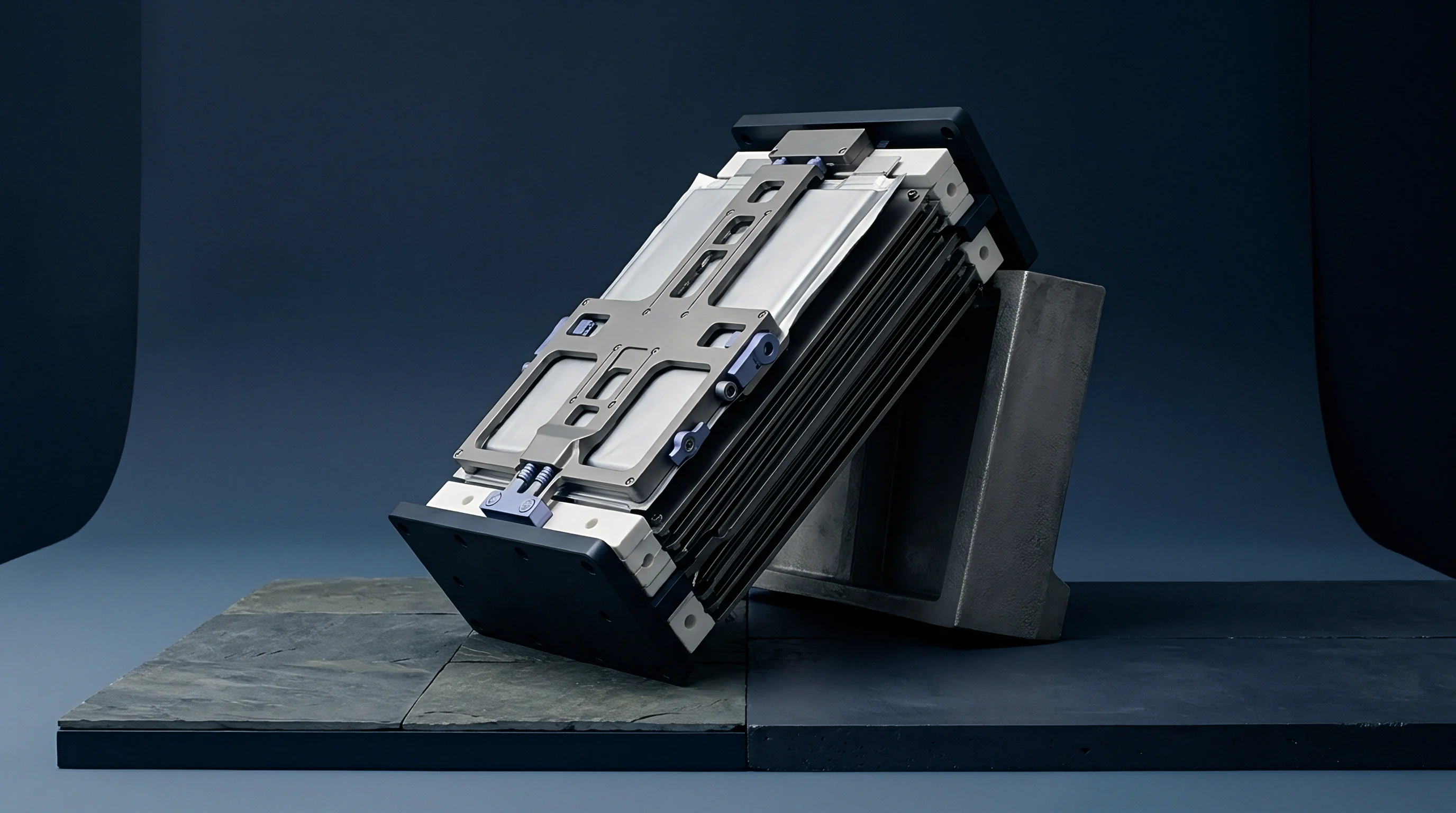
External mechanical clamping applied to pouch cells during module integration alters micro-channel geometry inside the perimeter heat seal. Applied surface pressure compresses the internal polyolefin sealing layers, reducing channel hydraulic cross-sections and suppressing outgassing kinetics. When internal gas accumulation rates exceed outward mass transfer rates, internal pouch pressure rises until localized normal stress at the heat-seal seam exceeds external clamp retention forces.
Localized seal unzipping begins at regions with minimum platen seal width, converting microscopic Knudsen channels into macroscopic continuum flow fissures.
Perimeter seal channels can serve as temporary pressure relief paths during minor swell events without necessarily compromising long-term cell hermeticity.

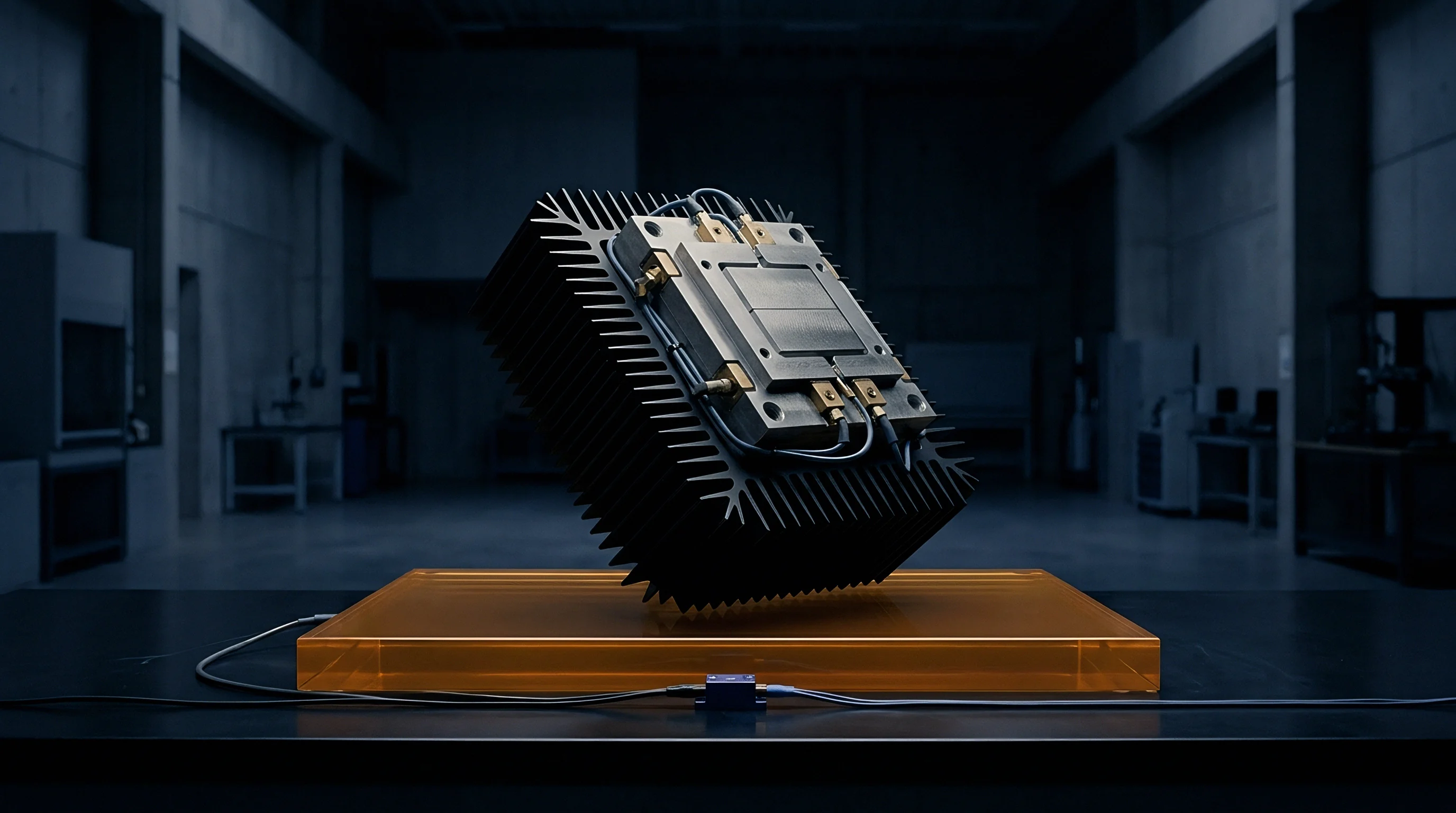
Channel

Sealing Morphology and Micro-Conduit Rheology
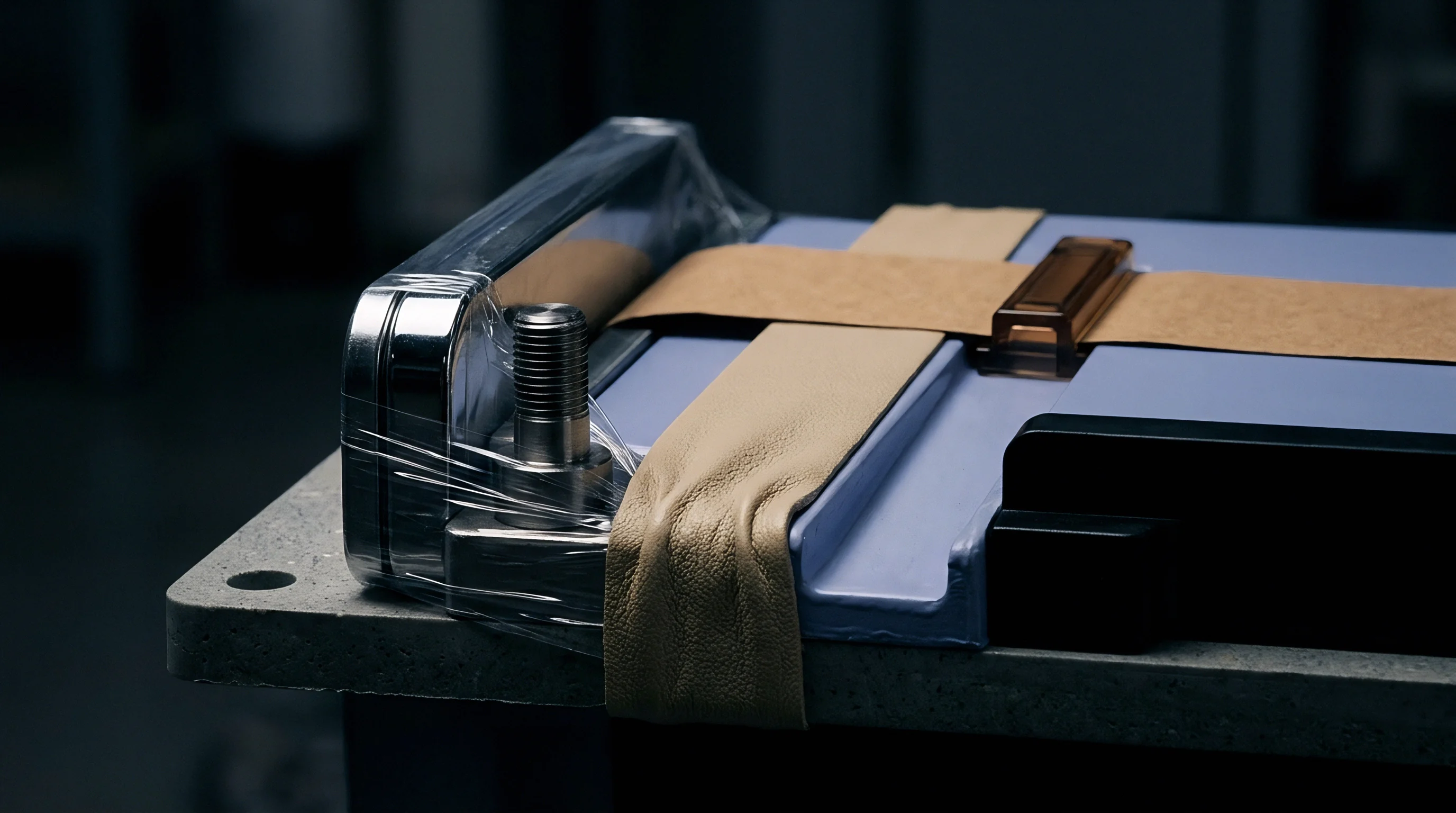
Heat sealing of aluminum laminated film creates a multi-phase polymer interface composed of cast polypropylene or oriented polypropylene layers fused around metal current collector tabs. Thermal sealing tools melt the inner polyolefin layers, forcing fluid polymer to flow and conform around rectangular tab geometry. Insufficient thermal energy leaves micro-voids at the tab-laminate junction, forming continuous channel networks that serve as high-permeability escape routes for volatile solvents.
Polypropylene softens above eighty degrees Celsius. Thermal history during cell assembly determines the final crystallinity, density, and micro-void population within the finished perimeter seal.
Under continuous thermal stress, internal outgassing pressure acts directly on these interfacial channel networks. Viscoelastic creep of the sealing polymer under sustained internal hydrostatic load widens micro-channel cross-sections over extended operating periods. Modeling long-term outgassing kinetics requires accounting for time-dependent polymer creep deformation, which increases micro-channel hydraulic diameter as a function of temperature and internal partial pressure.
Excessive platen pressure during pouch thermal sealing thins the inner polypropylene layer and creates localized pathways for accelerated solvent outgassing.
Optimizing the perimeter heat seal process requires controlling multiple interdependent physical metrics during assembly. The checklist below outlines essential process parameters evaluated during heat-seal quality verification audits.
- Impulse heat duration controls thermal energy transfer to ensure complete melting and fusion of inner polyolefin sealing layers without thermal degradation.
- Platen clamping force establishes inner polymer melt flow distance, avoiding excessive thinning while eliminating micro-void formation near current collector tabs.
- Cooling dwell window permits polymer recrystallization under mechanical restraint, locking in target micro-structural density and seam shear strength.
- Layer thickness ratio verifies post-seal polyolefin thickness across the tab step-down zone to maintain minimum continuous dielectric and moisture barrier protection.
Pouch swelling alters inner void volume. Miscalibrating sealing platen pressure or thermal exposure times reduces seam mechanical failure thresholds, causing rapid cell venting during high-temperature transportation or thermal qualification testing.
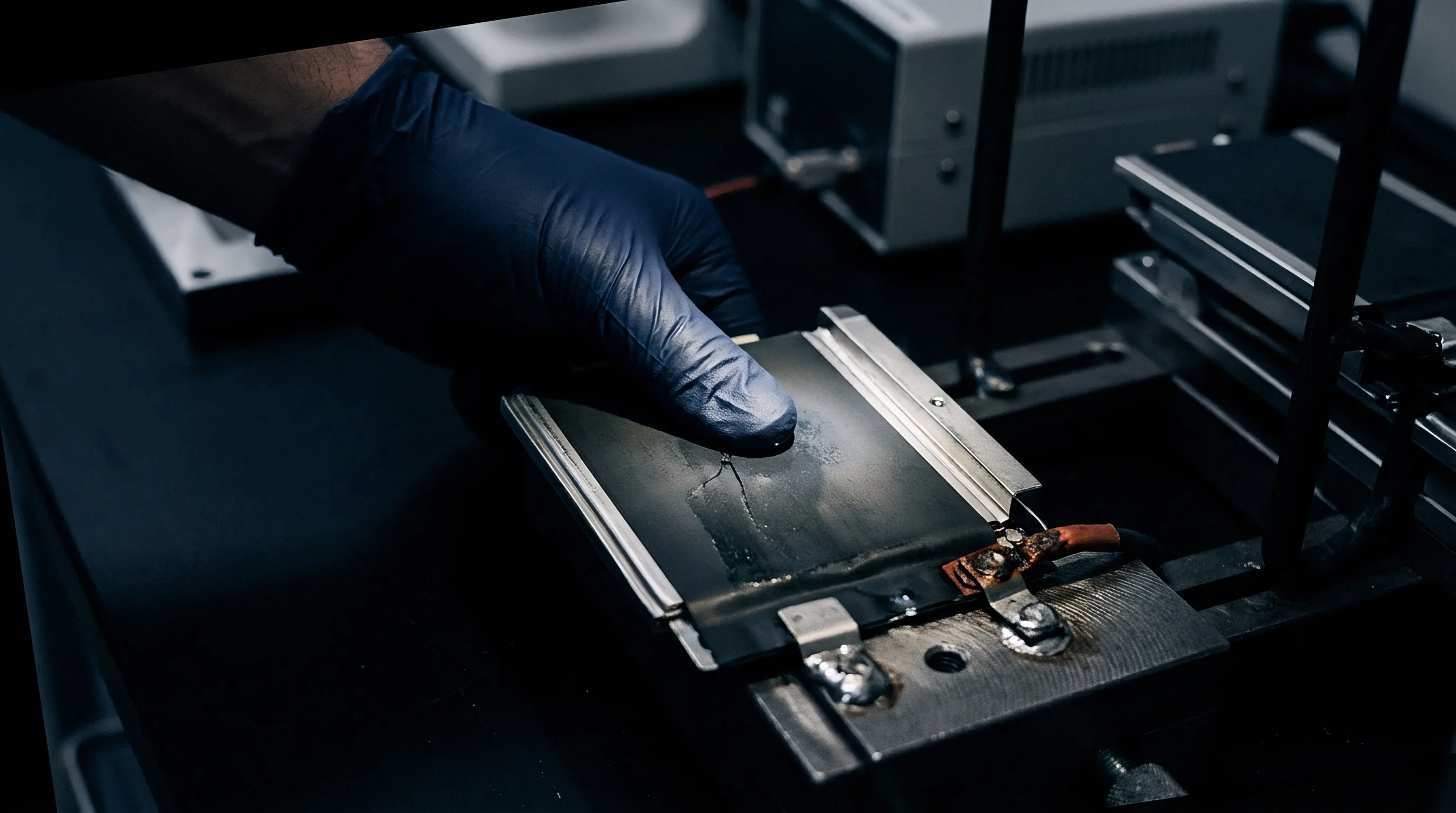

Freight

Regulatory Mass Loss Limits and Transport Safety Dossiers
Transporting lithium-ion pouch cells across international borders mandates compliance with hazardous goods safety criteria defined by UN 38.3 recommendations and international modal regulations. Outgassing during commercial transit compromises cell safety and invalidates dangerous goods shipping declarations. Atmospheric pressure drops in cargo hold environments (down to 75.2 kilopascals at standard aviation cruise altitude equivalency) increase differential pressure across pouch cell heat seals, accelerating volatile solvent escape through existing micro-channels.
Mass loss exceeding standard regulatory thresholds triggers immediate shipment rejection and dangerous goods non-compliance reporting.
UN 38.3 Test T.2 subjects pouch cells to prolonged thermal exposure at 72 degrees Celsius under reduced ambient pressure, verifying seal integrity against solvent vapor leakage during transport stress conditions. A cell that exhibits measurable solvent outgassing during T.2 testing fails mandatory transport certification, preventing commercial distribution.
UN 38.3 Test T.2 permits no mass loss exceeding 0.1 percent for pouch cells with nominal capacity greater than 0.5 ampere-hours following 10 days of thermal exposure at 72 degrees Celsius.
Verification of cell hermeticity during transport qualification follows a structured testing sequence. The operational steps below detail the verification procedure applied to establish compliance with dangerous goods regulations prior to commercial shipment authorization.
Regulatory compliance standards enforce strict mass loss ceilings across international transport modes. The table below details mass loss and seal integrity criteria defined by international dangerous goods regulatory frameworks.
| Regulatory Framework | Applicable Standard Section | Max Mass Loss Limit (Small Cell) | Max Mass Loss Limit (Large Cell) | Mandatory Test Conditions |
|---|---|---|---|---|
| UN Dangerous Goods Manual | UN 38.3 Test T.2 (Thermal) | 0.2 percent by weight | 0.1 percent by weight | 72 deg C for 6h at 11.6 kPa vacuum |
| IATA Air Transport Rules | PI 965 Section IA / IB | 0.2 percent by weight | 0.1 percent by weight | Requires valid UN 38.3 test summary |
| ADR European Road Freight | Special Provision 230 | 0.2 percent by weight | 0.1 percent by weight | Enforces UN 38.3 compliance criteria |
| IMDG International Maritime | SP 230 Maritime Dangerous Goods | 0.2 percent by weight | 0.1 percent by weight | Includes salt spray pre-conditioning |
Commercial purchase contracts incorporating standard liability terms place all costs associated with transport rejections, container decontamination, and regulatory fines on the cell manufacturer whenever post-shipment mass loss trace analysis indicates pre-existing seal micro-channel defects.