Meaning
Mechanical extraction systems capture molten spatters, ablated particulate matter, and vaporised metallics generated during high-energy welding of battery cell interconnects. Industrial ejecta removal operates simultaneously with laser beam delivery, drawing airborne debris away from the weld pool through targeted airflow or vacuum evacuation before contaminants condense onto surrounding hardware. The envelope of this process covers the containment and filtration of particulate mass generated across prismatic can-to-lid closures, cylindrical cell terminal joins, and current collector foil welds.
Application stops at passive thermal shielding, post-process chemical washing, and mechanical wire brushing performed after joint solidification.
Debris Transport
High-velocity extraction suction captures expelled droplets before gravity settles them onto sensitive polymer insulating gaskets or exposed electrode windings. Rapid acceleration of exhaust gases through a localised collection hood overcomes the kinetic momentum of hot droplets flung outward by keyhole vaporisation. Fluidic flow dynamics inside the collection duct must maintain air velocities high enough to prevent particle deposition along internal duct walls.
Turbulent eddies near the weld pool destabilise shielding gas delivery when airflow rates exceed established thresholds. Laminar shroud engineering balances extraction volume against inert cover gas integrity.
Contamination Risk
Uncontrolled conductive spatter deposits create galvanic leakage paths across positive and negative terminal boundaries on cell headers. Microscopic metallic spheres landing on exposed separator margins puncture delicate polypropylene membranes during module assembly compression. High electrical resistance across contaminated busbar contact pads promotes thermal runaway initiation under fast direct-current charging cycles.
The downstream outcome of unmitigated weld ejecta is latent field insulation breakdown. Sourcing contracts enforce continuous particulate extraction verification to prevent substandard cell lots from entering vehicle battery pack integration lines.
Tooling Architecture
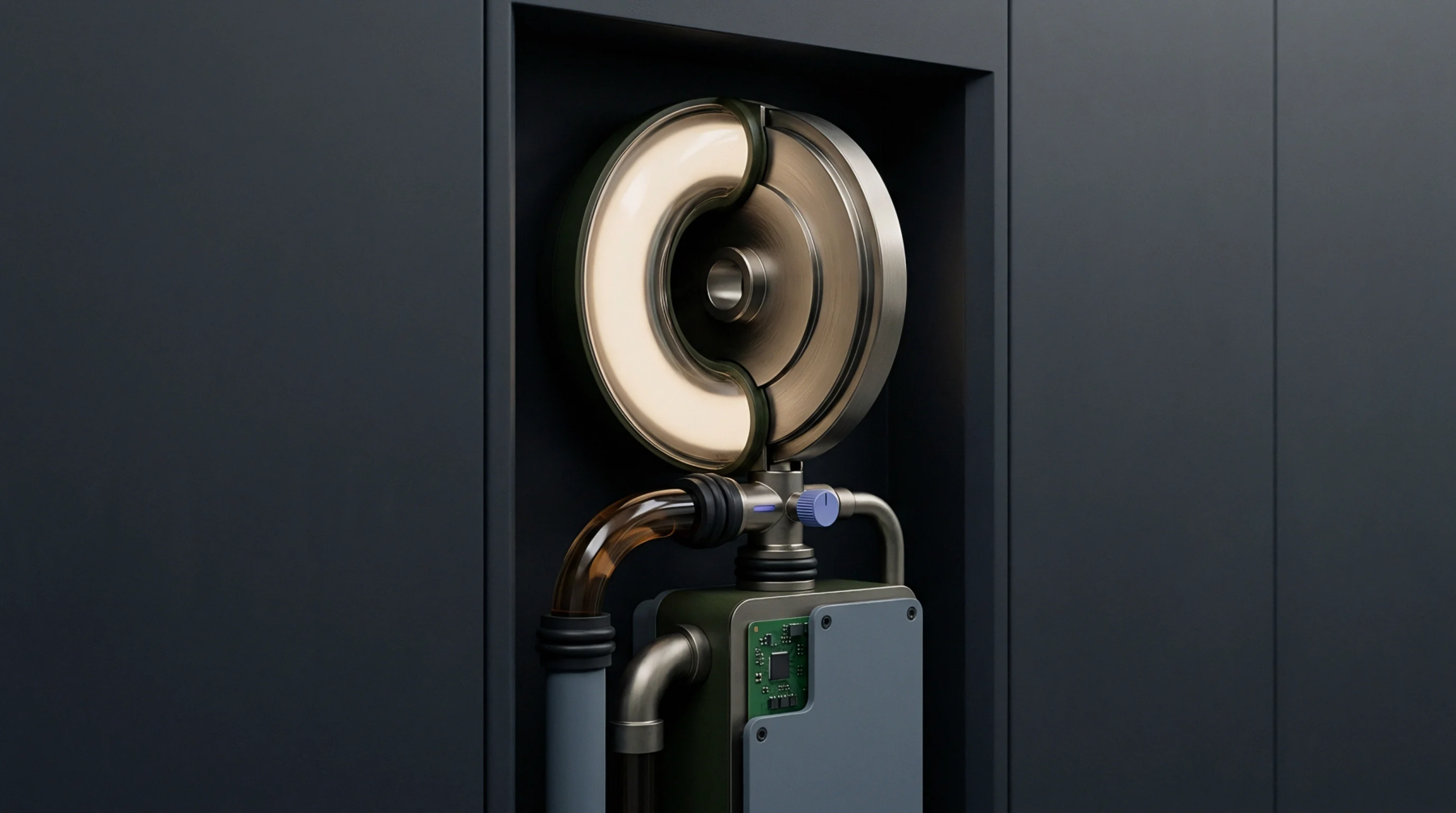
Vacuum extraction hoods mount concentrically with galvo scanner optics or trail closely behind fixed weld heads. Integrated cyclonic separators and multi-stage fine particulate air filters trap abrasive copper, aluminum, and nickel particulate matter to safeguard ductwork against internal clogging. Optical cover slide purge streams run parallel to the primary intake, directing clean compressed gas across quartz laser protection windows to deflect ascending vapor clouds.
Pressure differential sensors monitor exhaust duct drops to detect filter saturation during high-volume cell finishing operations. Automated interlocks pause production whenever extraction suction falls below the validated operational baseline.