Meaning
An international safety standard specifies requirements and tests for the safe operation of portable sealed secondary cells and batteries. This IEC 62133 covers both nickel and lithium systems used in portable applications. In battery procurement, compliance with this standard is a mandatory requirement for entering global consumer markets.
The testing scope covers mechanical, thermal, and electrical abuses to evaluate the cell’s response to extreme conditions. It stops applying to traction batteries used in electric vehicles and large stationary energy storage systems.
Safety Testing
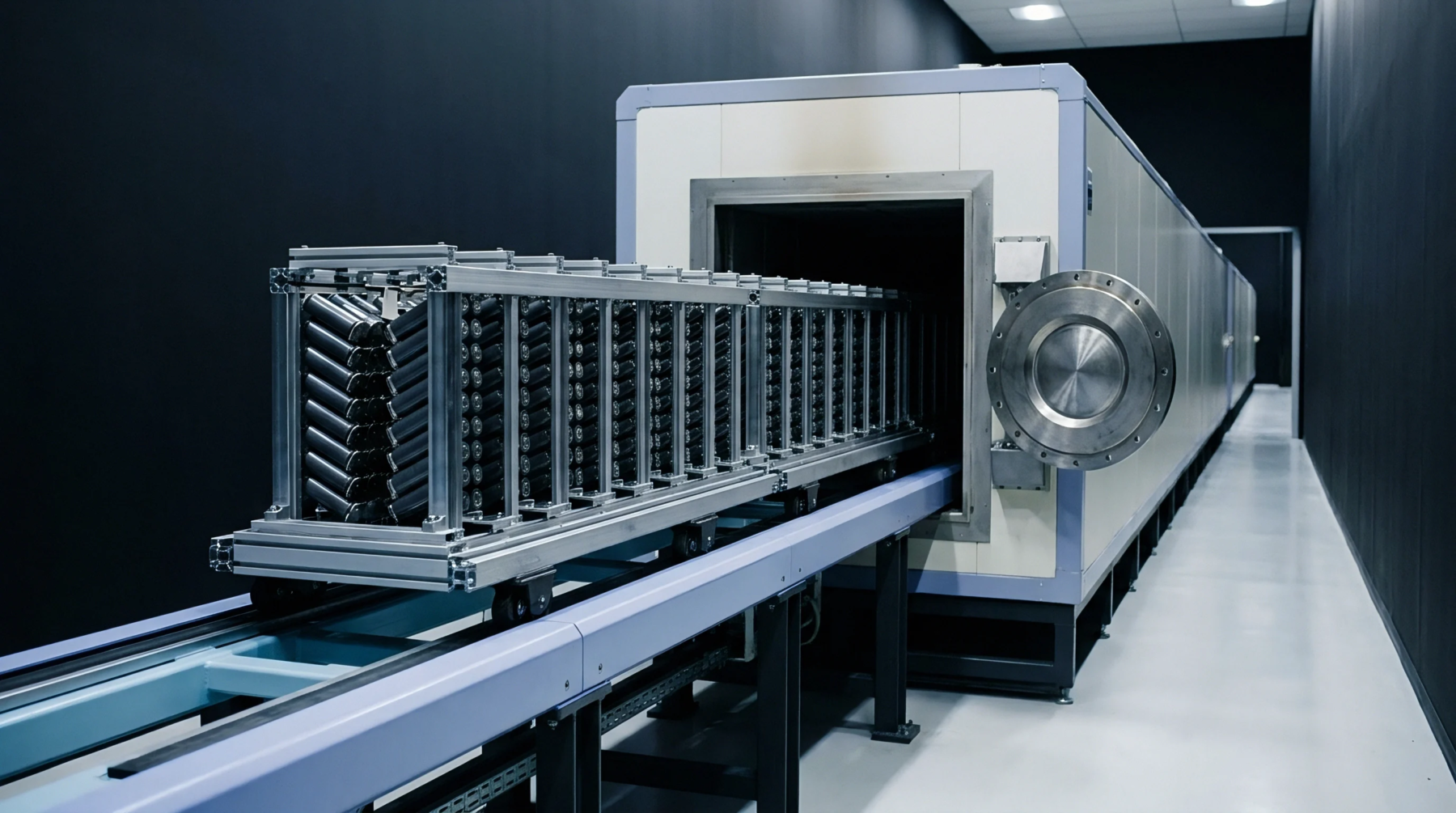
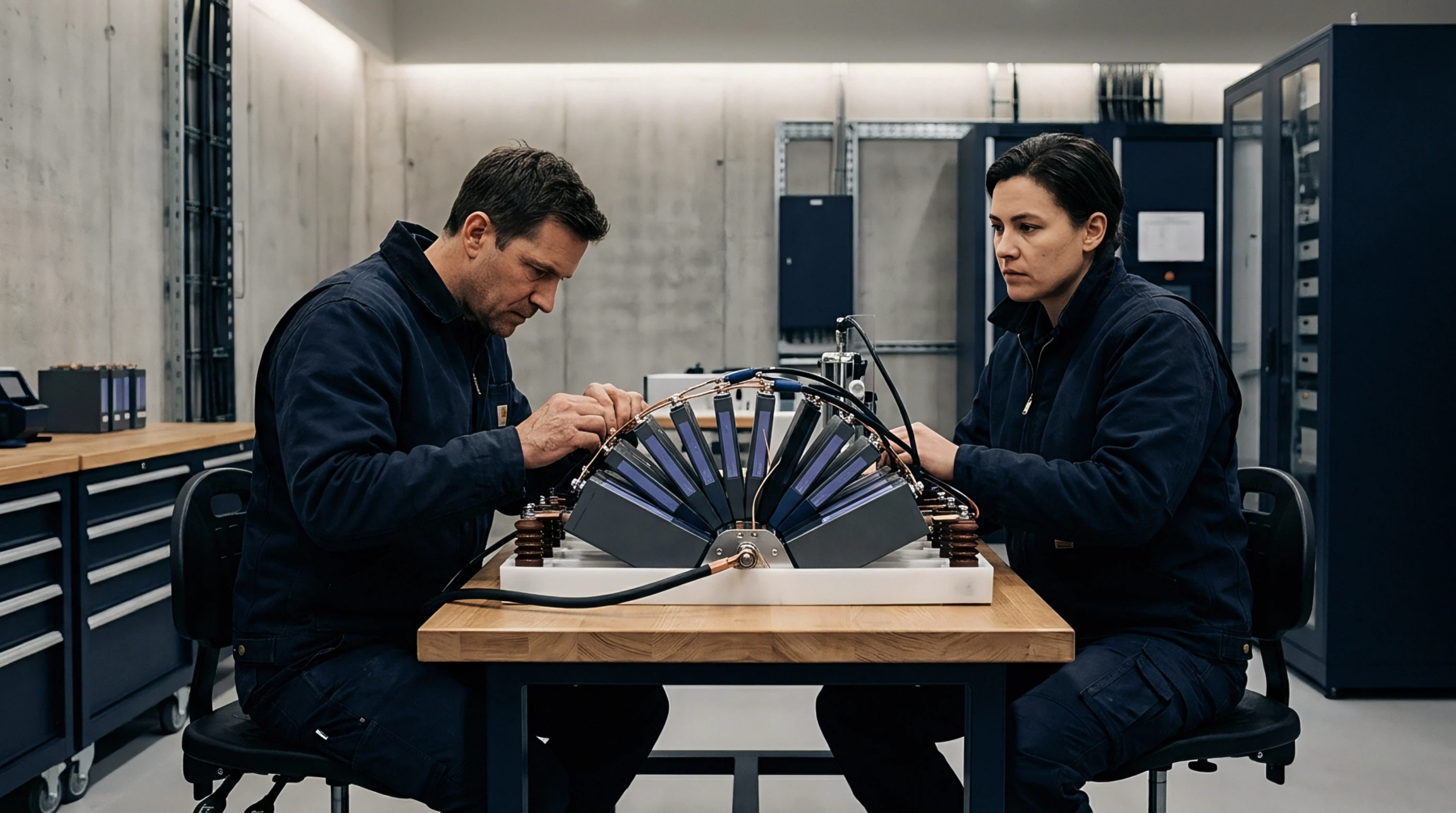
The standard subjects cells to several severe test conditions to check for fire or explosion risks. Technicians run tests for continuous charging, vibration, mechanical shock, and low pressure. They also perform external short-circuit tests and thermal abuse tests in environmental chambers.
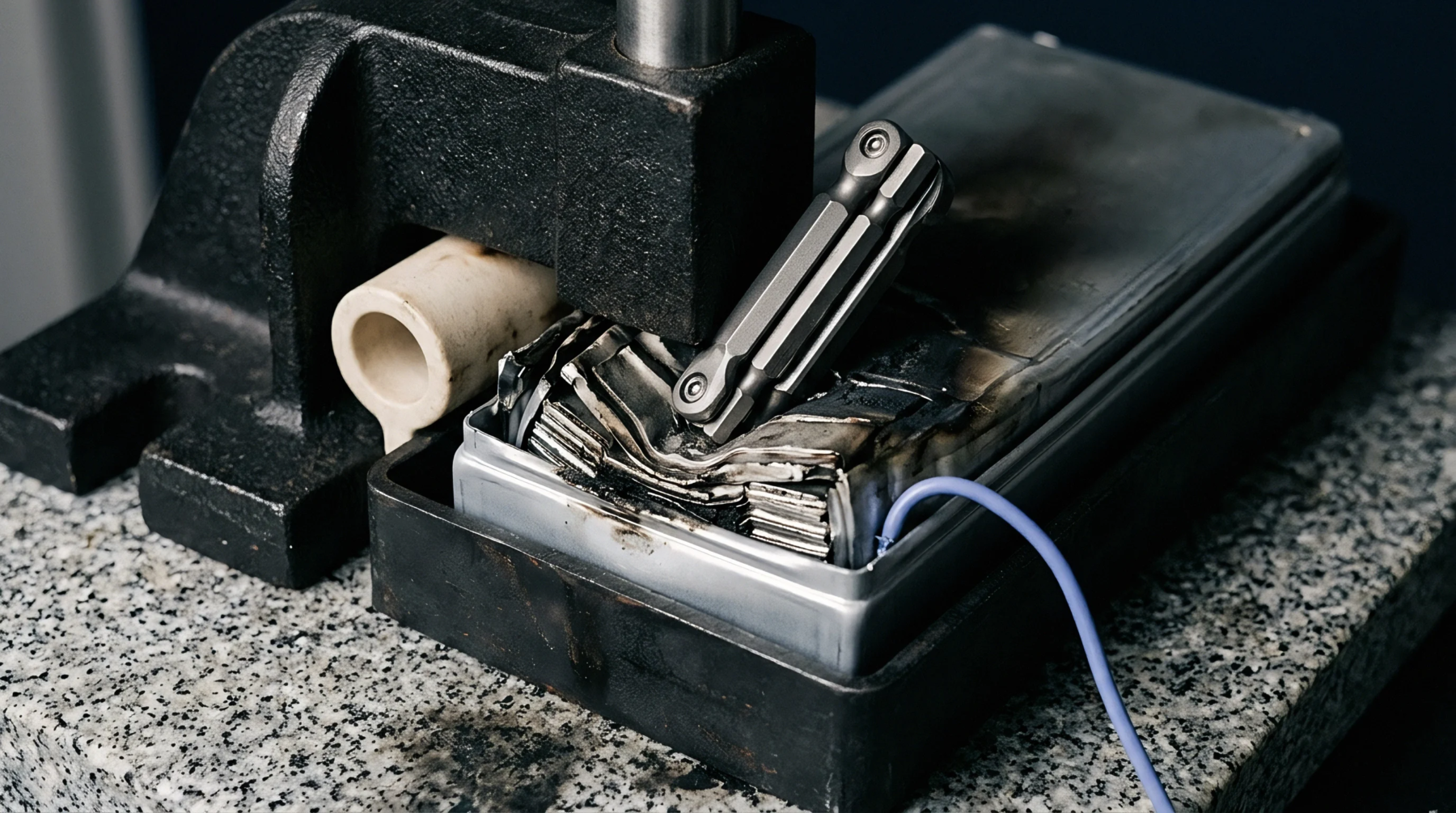
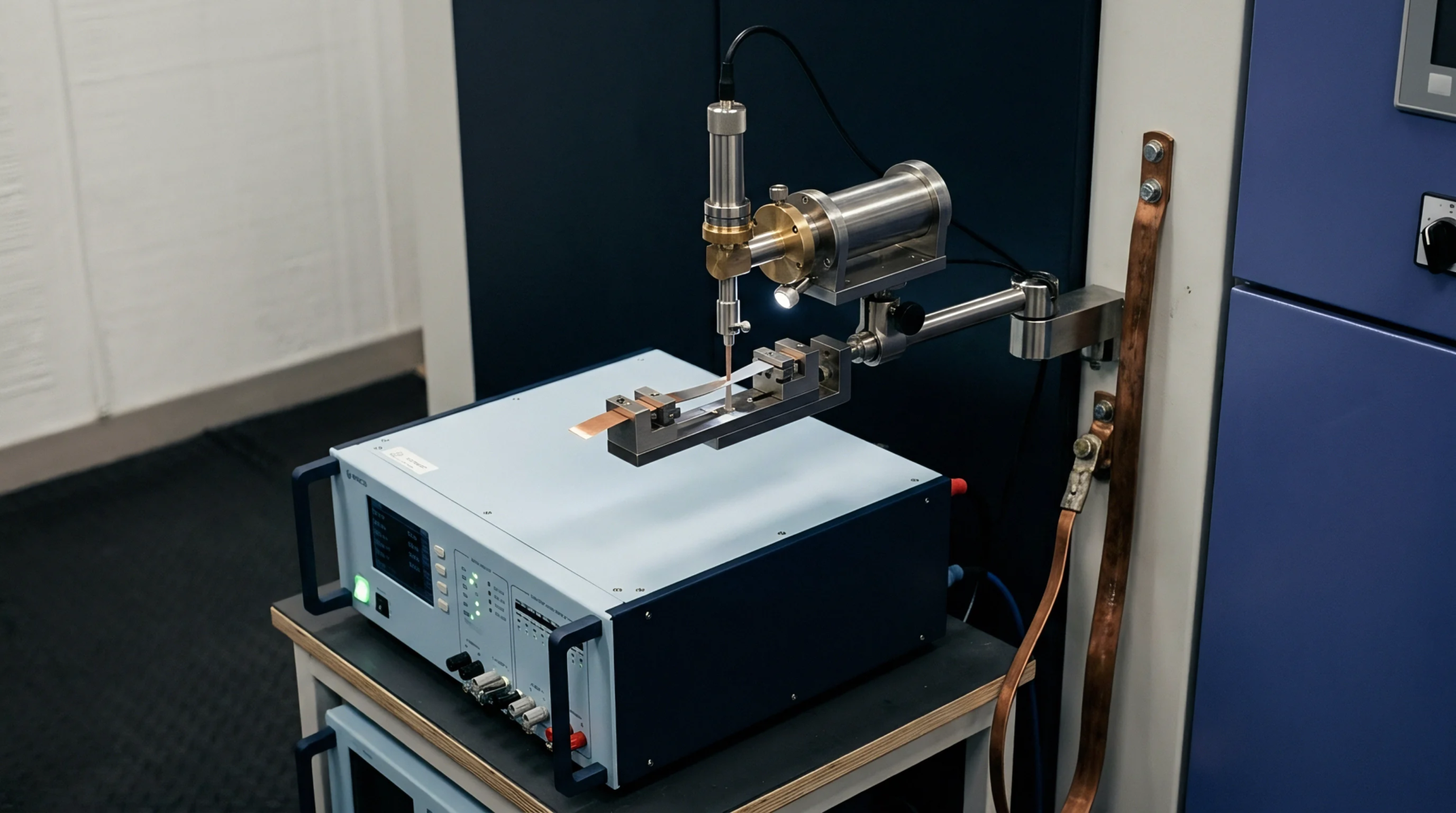
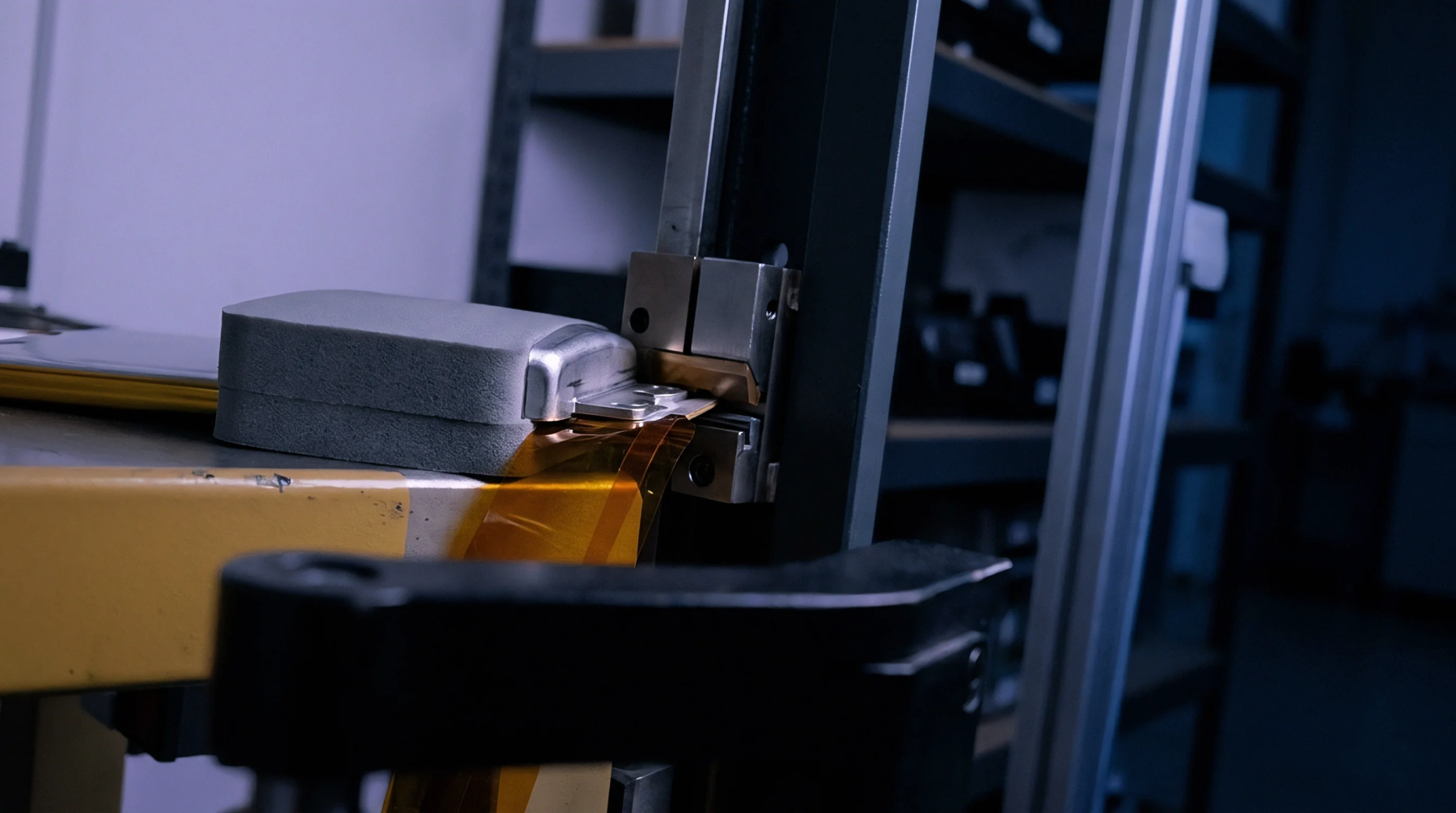
The cell must not catch fire or explode during these strenuous operations. A specific forced internal short-circuit test is used to simulate manufacturing defects. This procedure involves placing a small nickel particle inside the cell and applying mechanical pressure.
The test verifies that the cell remains safe even if the separator fails internally.
Market Entry
Global distribution of portable electronics requires compliance certificates under this certification scheme. The IEC 62133 is used by testing houses to grant safety marks in Europe and Asia. Sourcing teams request these certificates during the initial vendor qualification phase.
Without this documentation, products are stopped at customs or rejected by retail distributors. The certification ensures that the battery pack contains protective components that prevent overcharging and over-discharging. This safety assurance protects brands from expensive product recalls and lawsuit liabilities.
Quality Management
Compliance requires ongoing factory audits and quality system verification to maintain the certificate. This IEC 62133 framework expects manufacturers to have clean assembly environments to prevent metal contamination. Sourcing contracts often include clauses that require the supplier to notify the buyer of any material changes.
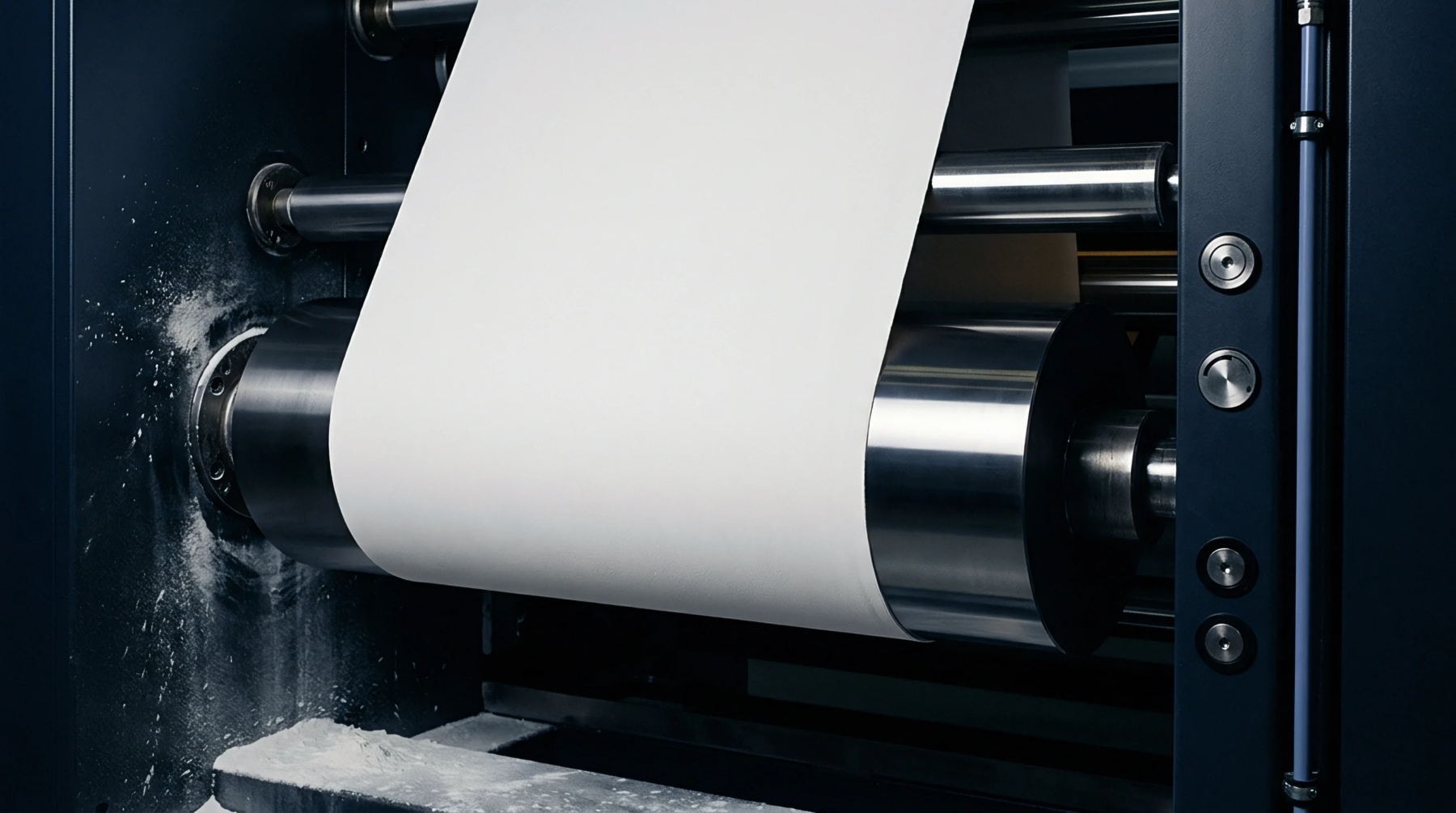
A change in the anode or cathode chemistry requires a complete retest of the cell design. This strict process ensures that production remains consistent over the lifetime of the contract. It prevents suppliers from using cheaper, uncertified materials in later production runs.