
Quantifying Long Term Viscoelastic Creep in Polyurethane Module Cushion Assemblies
Polyurethane module cushions lose 20 to 40 percent of initial contact pressure over calendar life, requiring Prony series modeling to prevent cell delamination.
Polyurethane module cushions lose 20 to 40 percent of initial contact pressure over calendar life, requiring Prony series modeling to prevent cell delamination.

Subzero lithium plating occurs when anode potential drops below zero volts, demanding auxiliary cell heating or current derating to stop cell degradation.

Deconvolving cryogenic SEI degradation requires combining distribution of relaxation times impedance with precision coulometry and in-situ dilatometry.
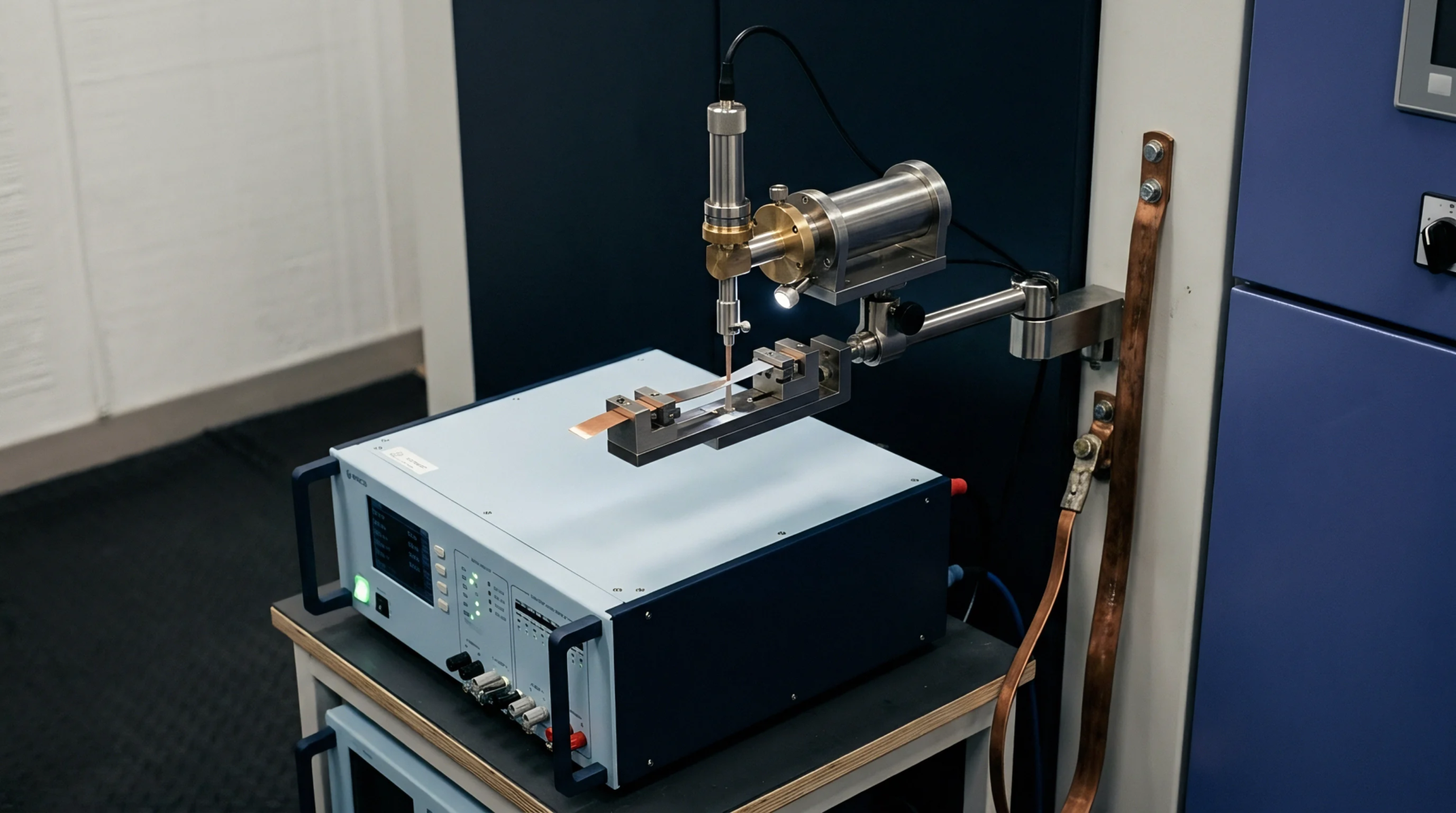
Decouple contact resistance from mass transport impedance by combining microsecond Kelvin sensing with sub-second transient pulse relaxation analysis.
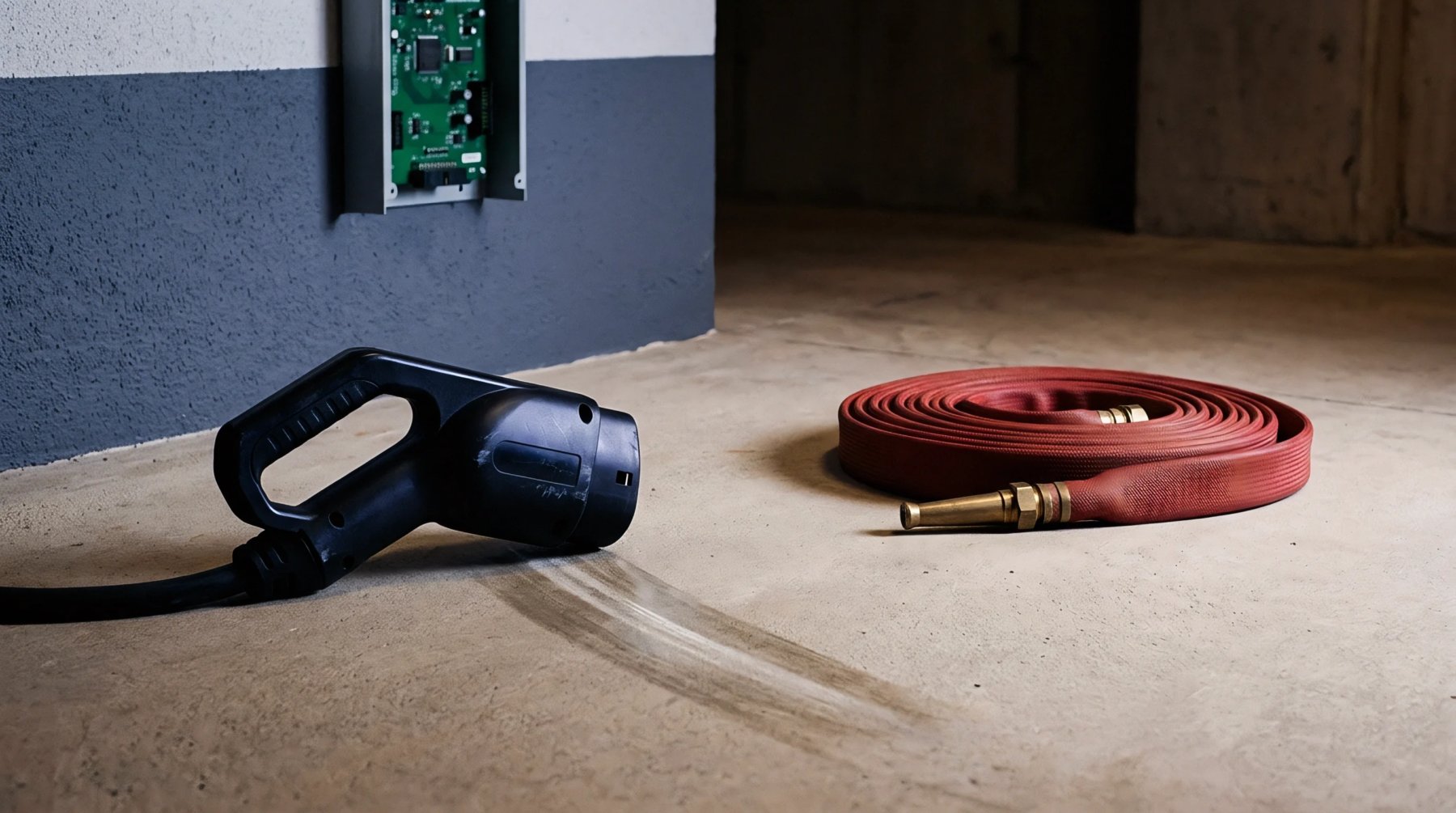
Cryogenic fast charging forces graphite anode overpotentials below zero volts, driving metallic lithium deposition that requires pre-heating or dynamic current scaling to prevent cell failure.
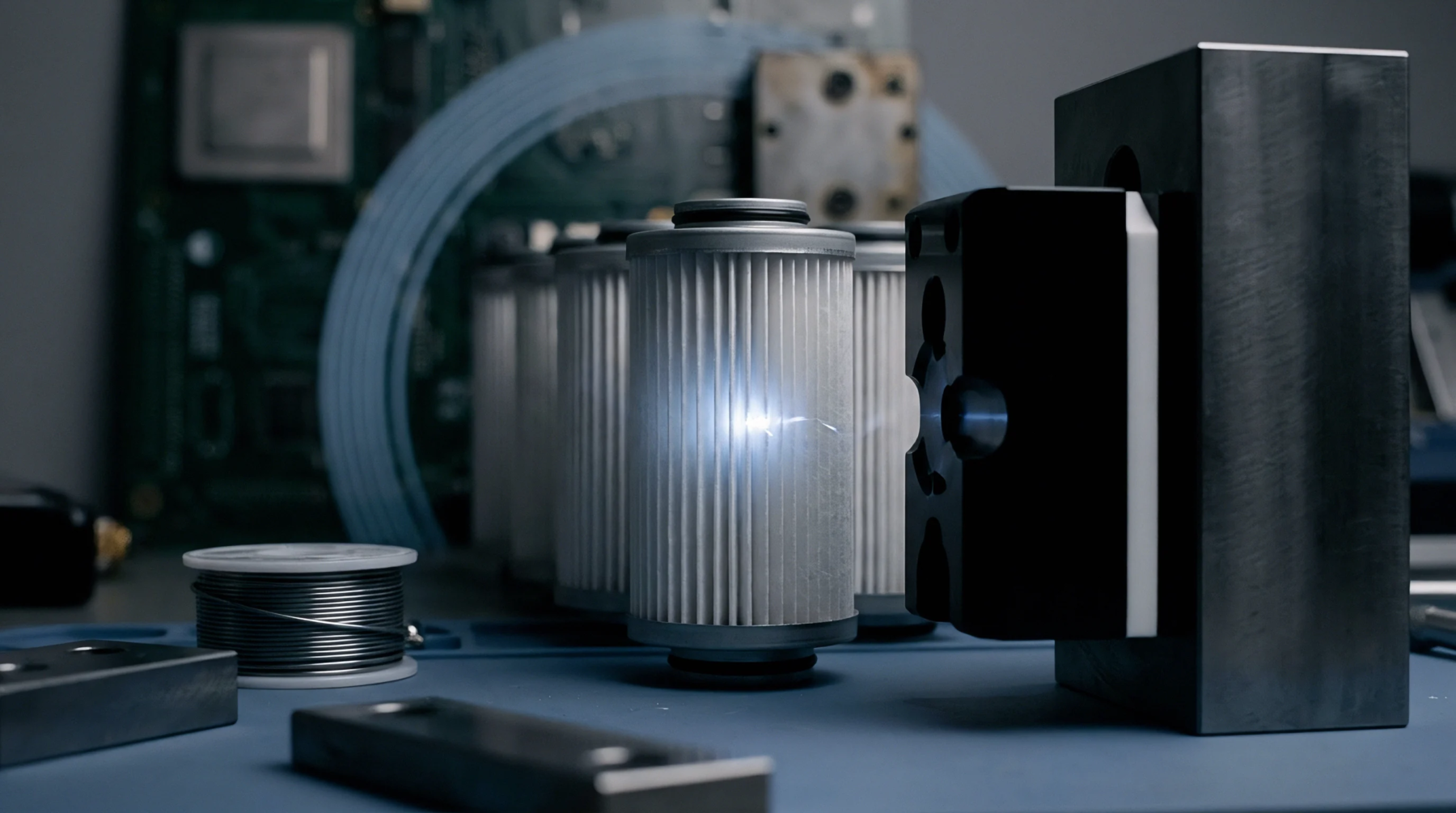
Operando impedance isolates micro-structural electrolyte depletion and transient lithium plating in real time under continuous super-C discharge.

Eliminating lithium plating in fast-charging silicon anodes requires reducing out-of-plane tortuosity and maintaining stack pressure between 0.3 and 0.8 MPa.

Active anode potential tracking prevents metallic lithium plating, extending cell life and enabling safe 15-minute fast charging in high-power battery packs.
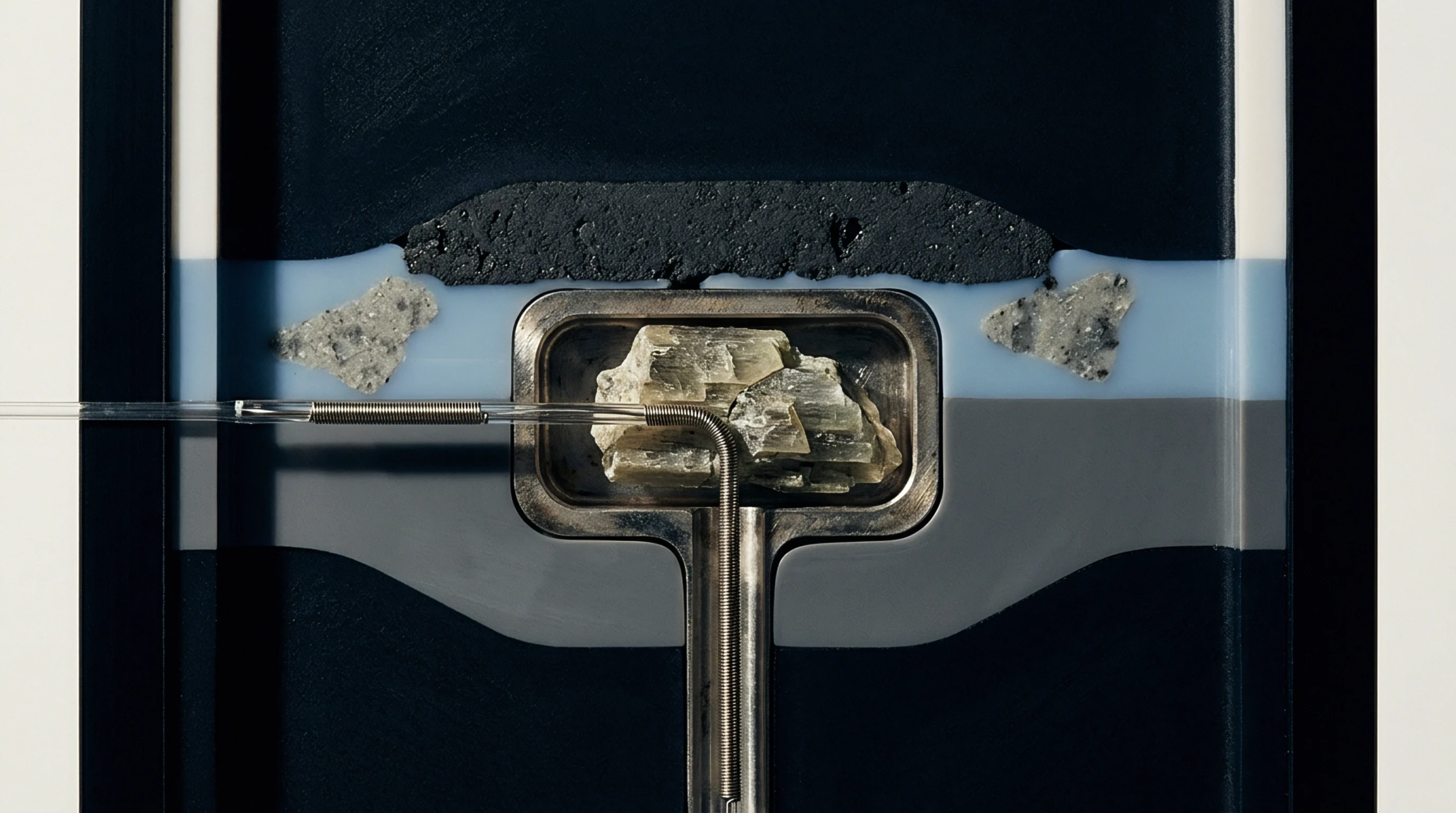
Combine non-destructive differential voltage analysis with high-resolution computed tomography to prove manufacturing defects and enforce cell lot warranty claims.

Prismatic cell subzero charge acceptance requires strict current derating below zero degrees Celsius to prevent irreversible metallic lithium plating.
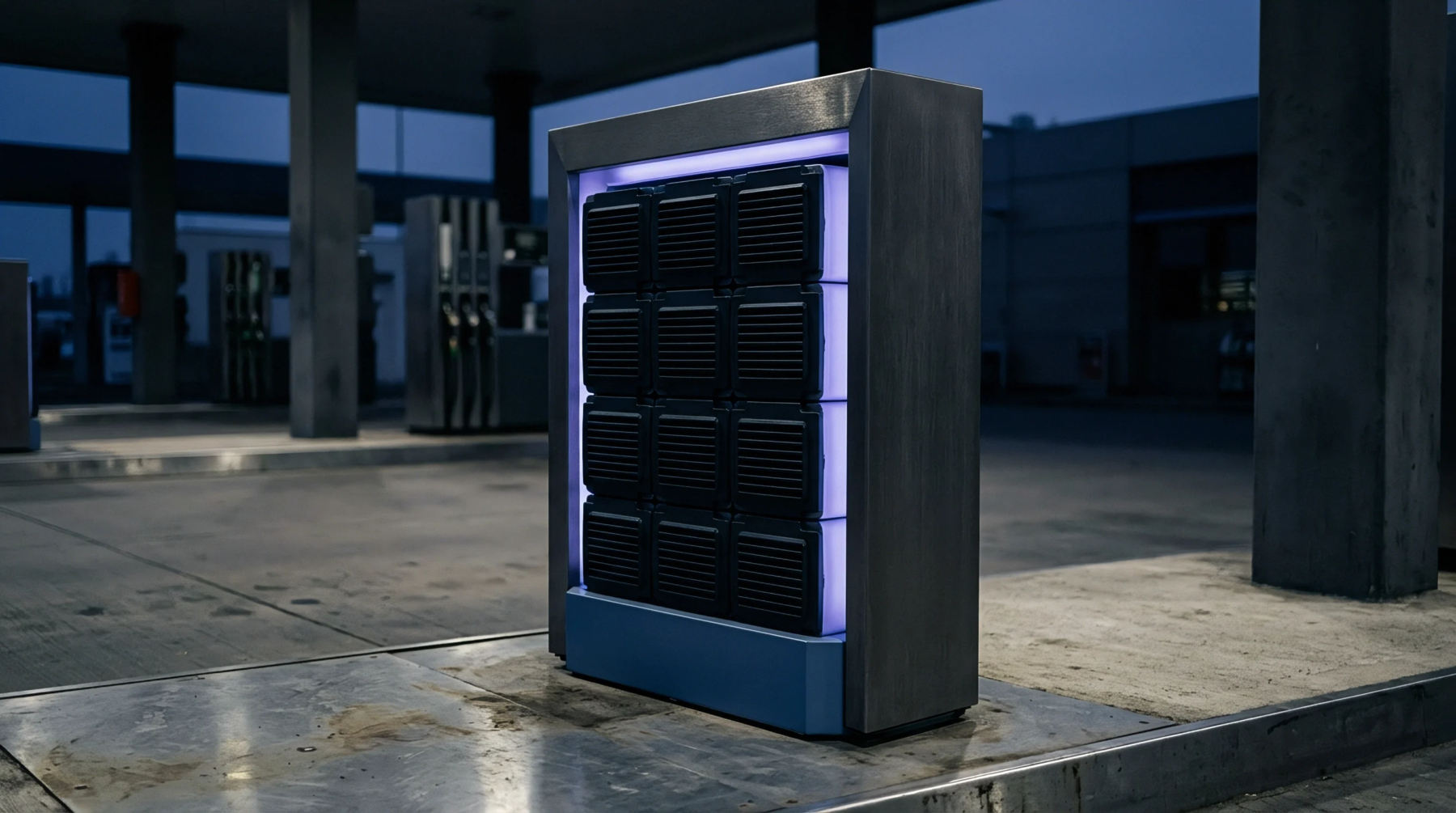
Cryogenic fast charging forces graphite surfaces to stoichiometric saturation, driving negative electrode potentials below zero and causing severe plating.

Electrolyte selection below minus twenty degrees Celsius requires low viscosity esters and imide salts to prevent lithium plating and maintain cell discharge capacity.
High-nickel cathode rollover stems from high-voltage H2-H3 phase strain and microcracking; contractually bound dQ/dV and resistance growth limits protect assets.
Auditing raw battery cycling time-series exports reveals hidden test anomalies, temperature manipulations, and truncated statistical data in vendor dossiers.

Upper full cell voltage cutoff calibration limits local anode lithiation potential above 50 mV vs Li/Li+ to prevent crystalline silicon phase breakdown.
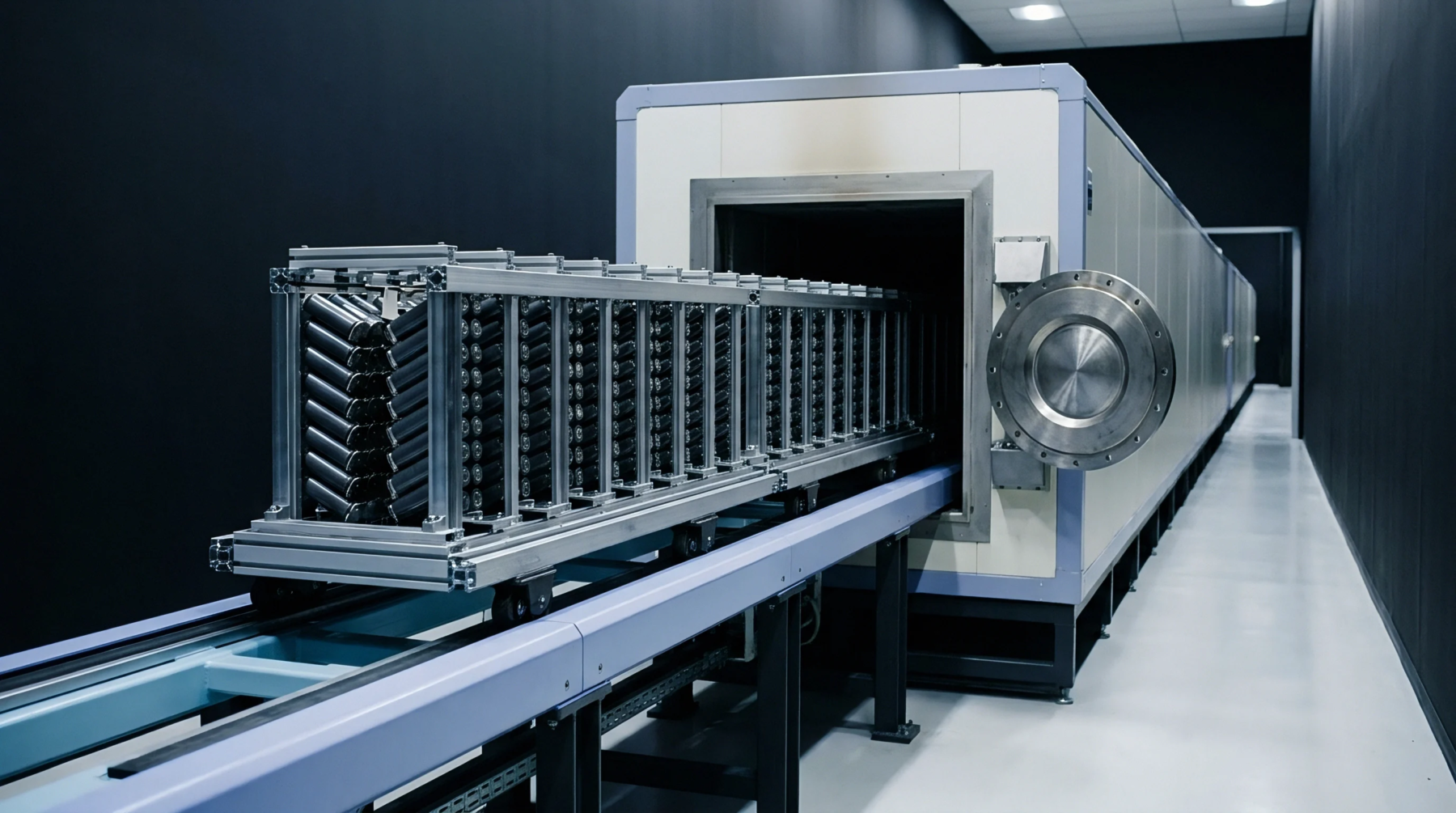
Thermally corrected degradation mode quantification decouples kinetic impedance masking from true lithium inventory loss to prevent false warranty claims.

Post-charge voltage relaxation inflection tracking reveals sub-zero metallic lithium plating before irreversible dendrite growth damages cold storage battery packs.

Sub-zero cell performance requires selecting chemistries with low desolvation energy, active thermal pre-heating, and verified low-viscosity electrolytes.

Nonlinear knee fade in LFP cells occurs when SEI growth exhausts cyclable lithium inventory, triggering rapid anode overpotential escalation and plating.

Operando deconvolution isolates ion desolvation from interfacial charge transfer, enabling electrolyte formulations that eliminate low-temperature power loss.
LFP capacity loss stems primarily from active lithium loss via interphase growth, requiring differential capacity screening and precise thermal control.

Low temperature charging shifts graphite potential below zero volts against lithium, initiating destructive metallic plating when polarization exceeds kinetic intercalation limits.

Sub-zero charging of high mass anodes causes localized salt precipitation and lithium plating, demanding strict mass loading caps and pre-heating protocols.

Three-electrode anode overpotential testing isolates uncompensated potential thresholds to prevent lithium plating during fast charge algorithm design
Expertise is a utility, not a secret. sentiention™ publishes its working knowledge as open reference: intelligence layer covering the materials it sources, the markets it enters, and the reference that serves both.