
Frequency Sweep Impedance Criteria for High Power Lithium Cell Batches
Broadband EIS frequency sweeps isolate mid-frequency charge transfer resistance to catch high-rate lithium cell batch defects invisible to 1 kHz resistance testing.
Broadband EIS frequency sweeps isolate mid-frequency charge transfer resistance to catch high-rate lithium cell batch defects invisible to 1 kHz resistance testing.
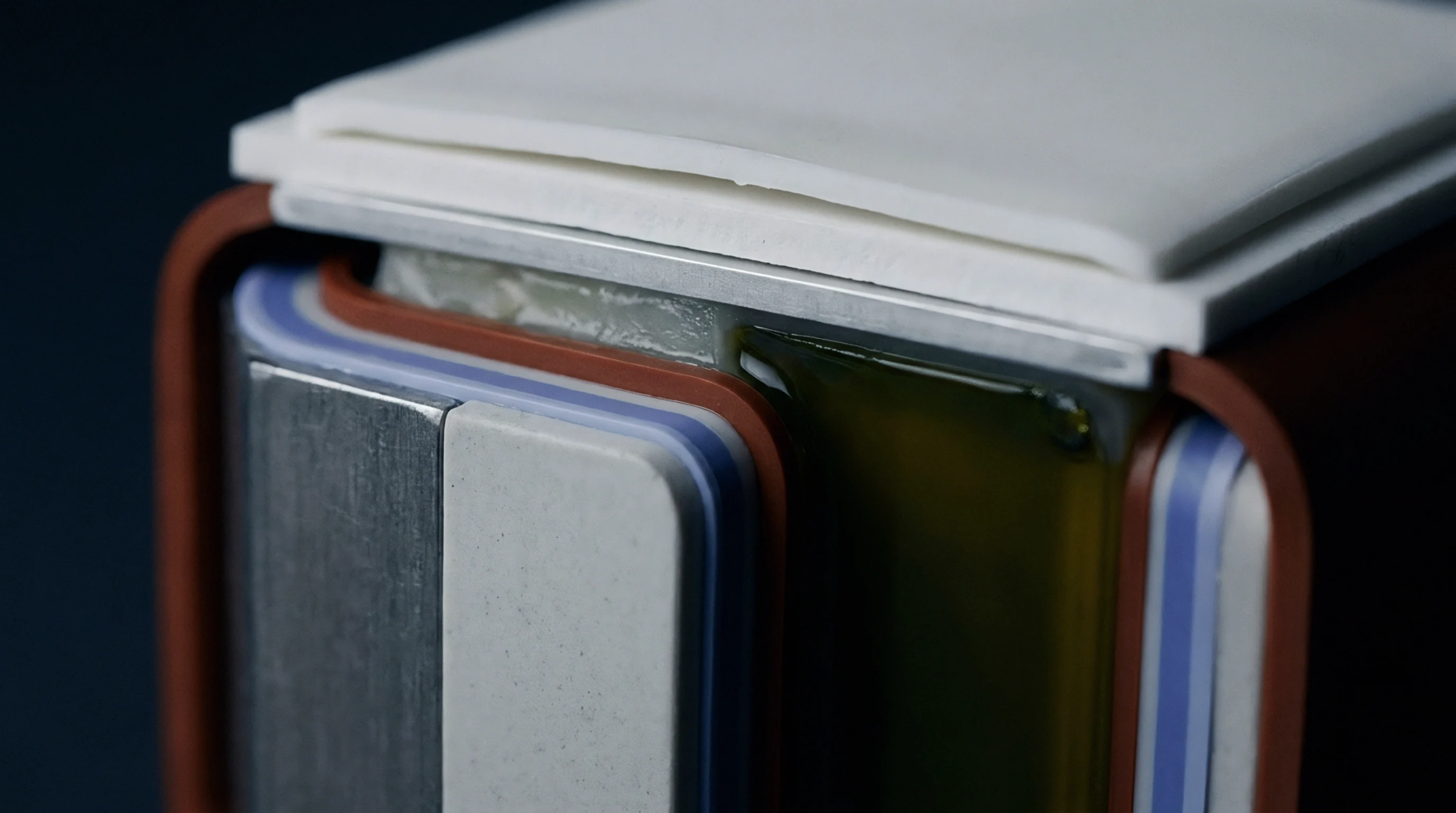
Statistical process control limits for imported prismatic cells require Cpk above 1.33 and AQL 0.065 to prevent batch failures during pack assembly.
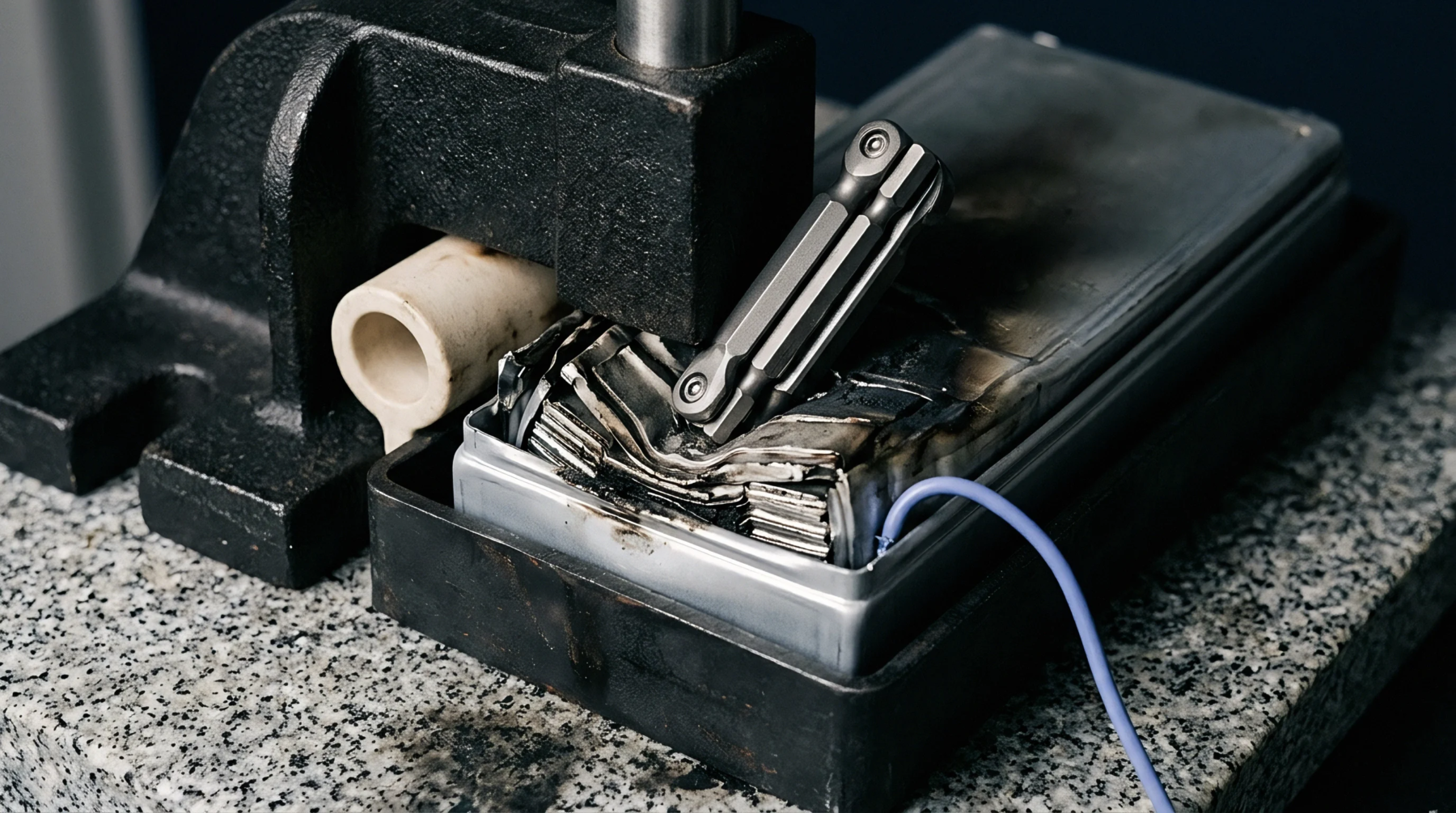
Auditing factory process control indices validates cell test certificates by proving batch uniformity and preventing latent field defects.

Closing the gap between certified designs and shipped batches demands rigorous incoming statistical acceptance sampling, teardowns, and strict contract limits.
Busbar surface plating integrity requires verified multi-layer thickness control, low internal stress, and zero-defect adhesion to prevent joint degradation.

Enforce zero-acceptance sampling plans and 48-hour thermal soak protocols on imported prismatic cell lots to prevent non-conforming units from entering pack production lines.

Dynamic argon pressure calibration stabilizes supersonic nozzle shock structure, locking particle size distribution and protecting additive powder yields.
Verify UN 38.3 test summaries by matching technical report fields against accredited lab databases, factory trace codes, and physical SOC transport limits.

Audit tool steel specs upfront and enforce explicit bailment terms to prevent amortized tooling fees from inflating custom pack unit costs.
Expertise is a utility, not a secret. sentiention™ publishes its working knowledge as open reference: intelligence layer covering the materials it sources, the markets it enters, and the reference that serves both.