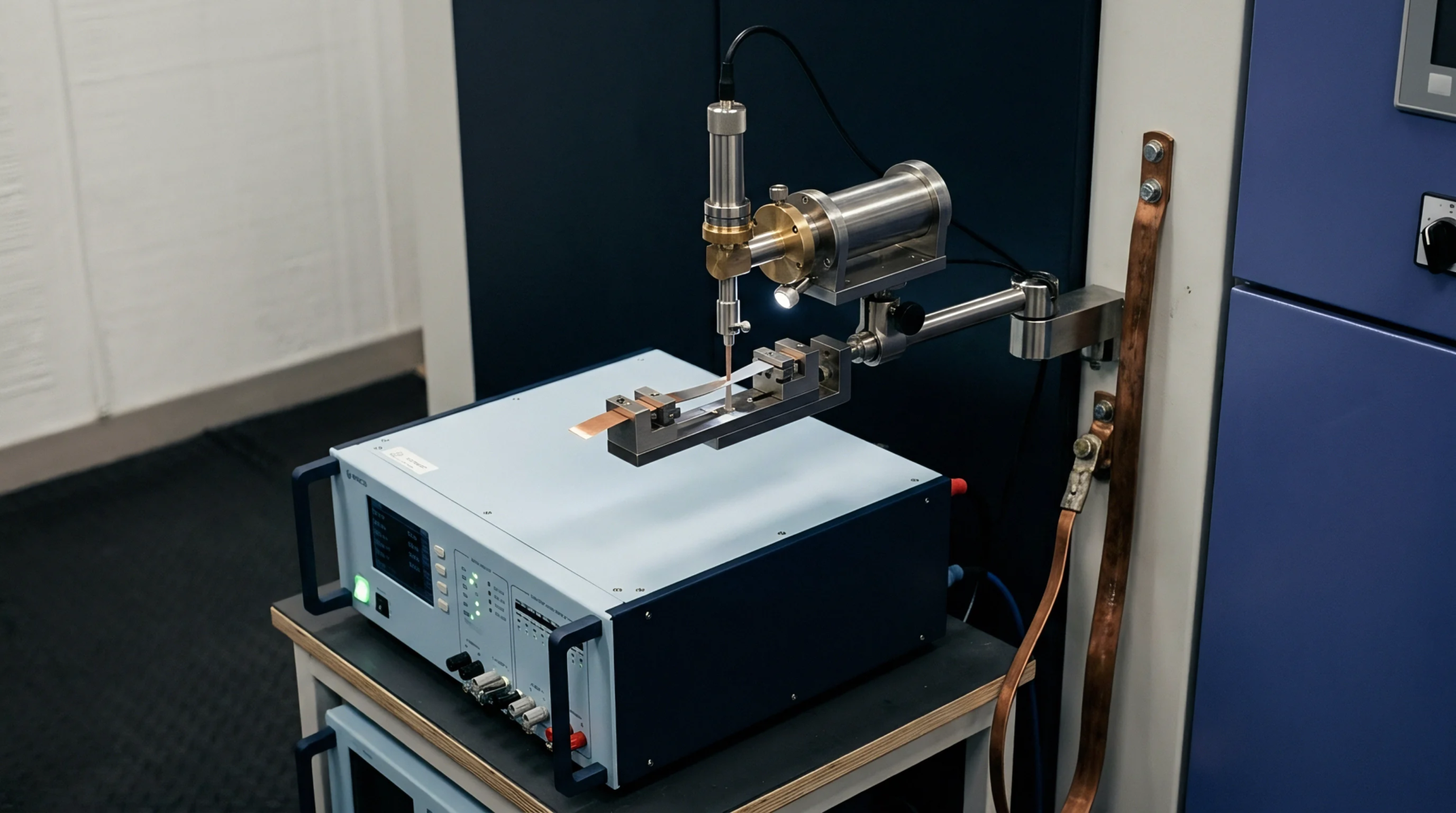
Decoupling Mass Transport Impedance from Contact Resistance in Rapid Factory Batch Screening
Decouple contact resistance from mass transport impedance by combining microsecond Kelvin sensing with sub-second transient pulse relaxation analysis.
Decouple contact resistance from mass transport impedance by combining microsecond Kelvin sensing with sub-second transient pulse relaxation analysis.
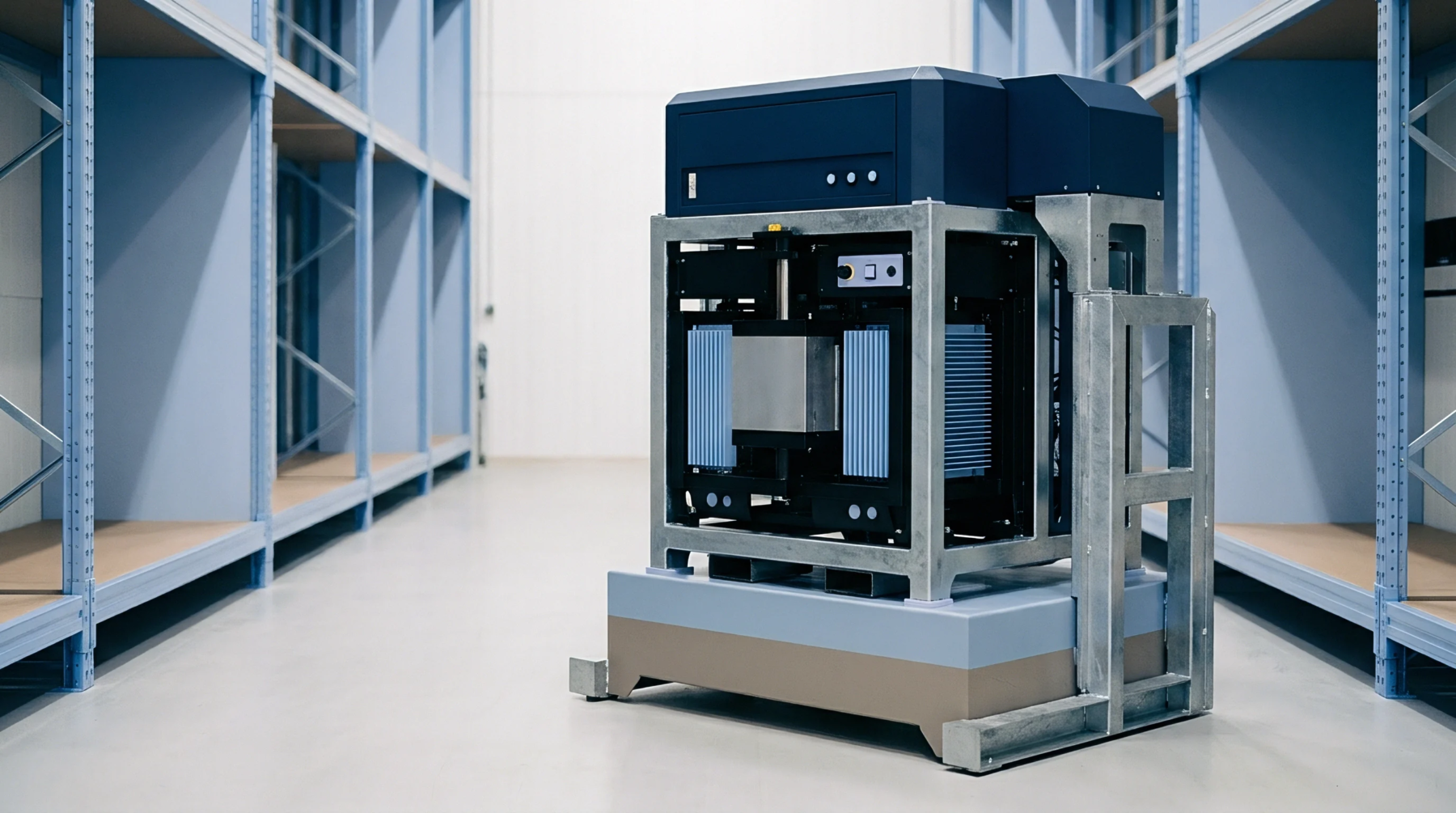
Quantifying high-voltage cathode interfacial impedance via DRT spectroscopy isolates charge-transfer growth to establish batch quality rejection limits.
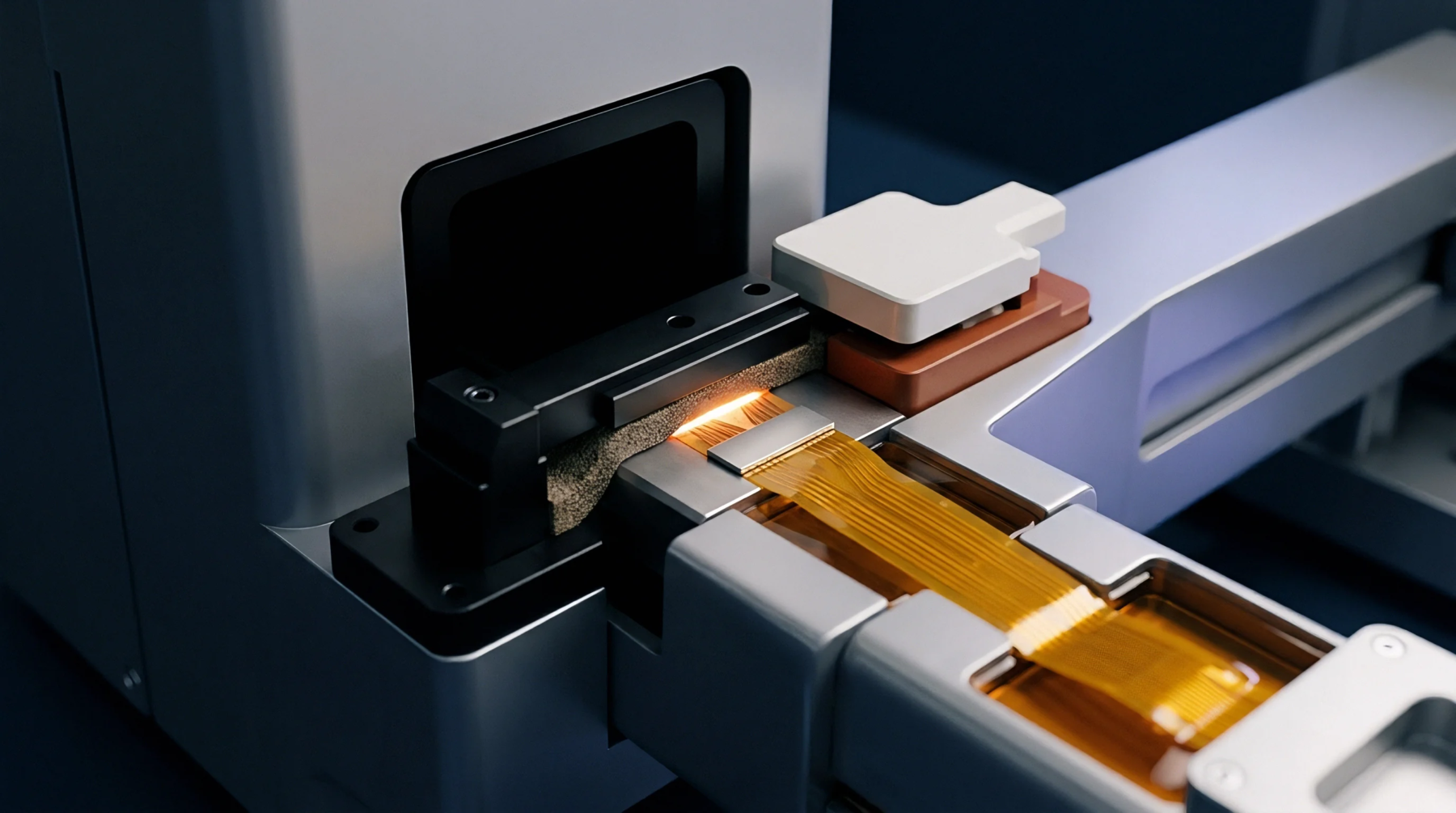
Dynamic thermodynamic hysteresis mapping eliminates up to six percent state of charge error across flat voltage plateaus, protecting storage project revenue.
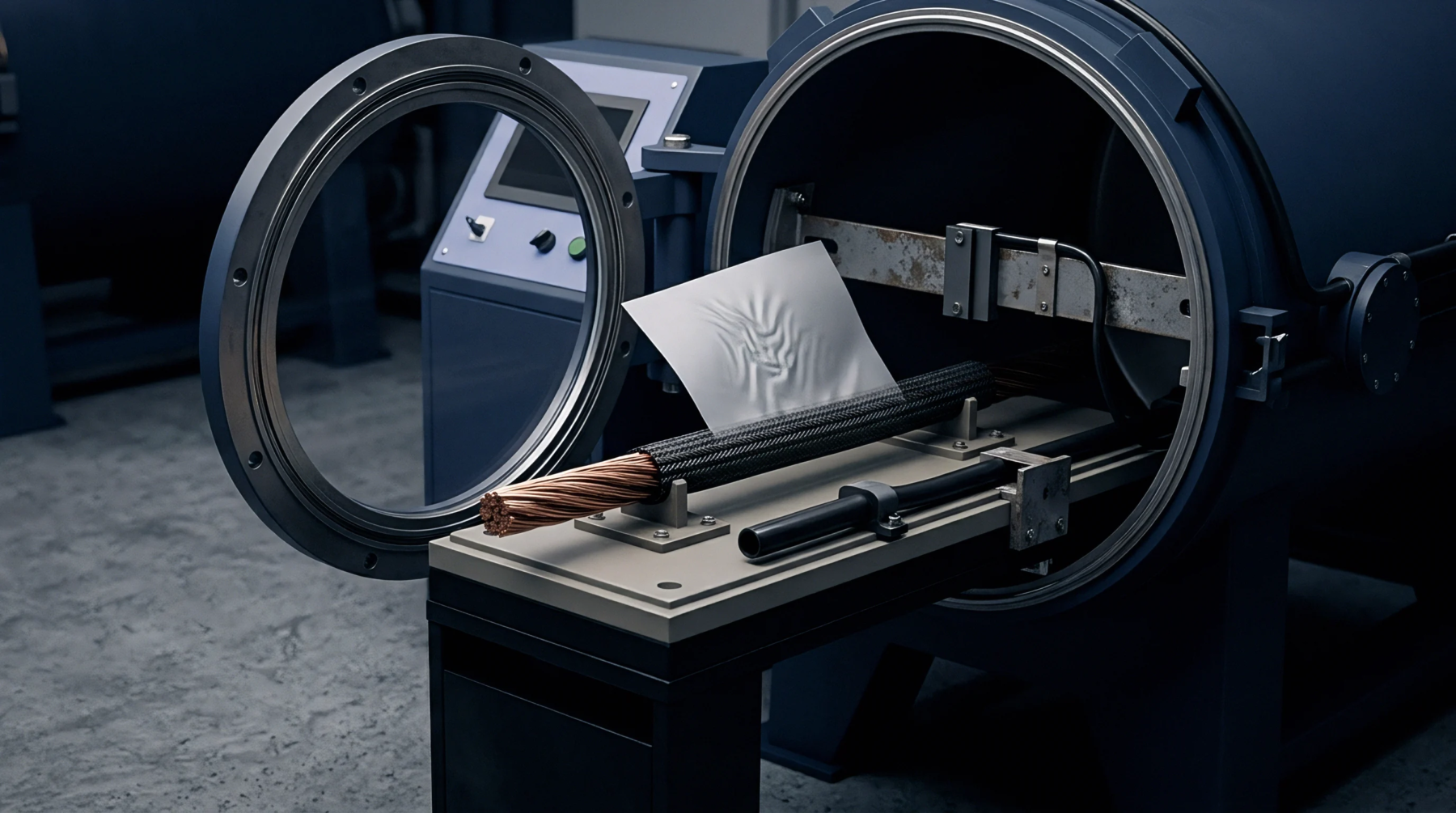
Dynamic hysteresis state expansion in Kalman filters fixes open circuit voltage tracking errors, maintaining state of charge accuracy across flat plateau chemistries.
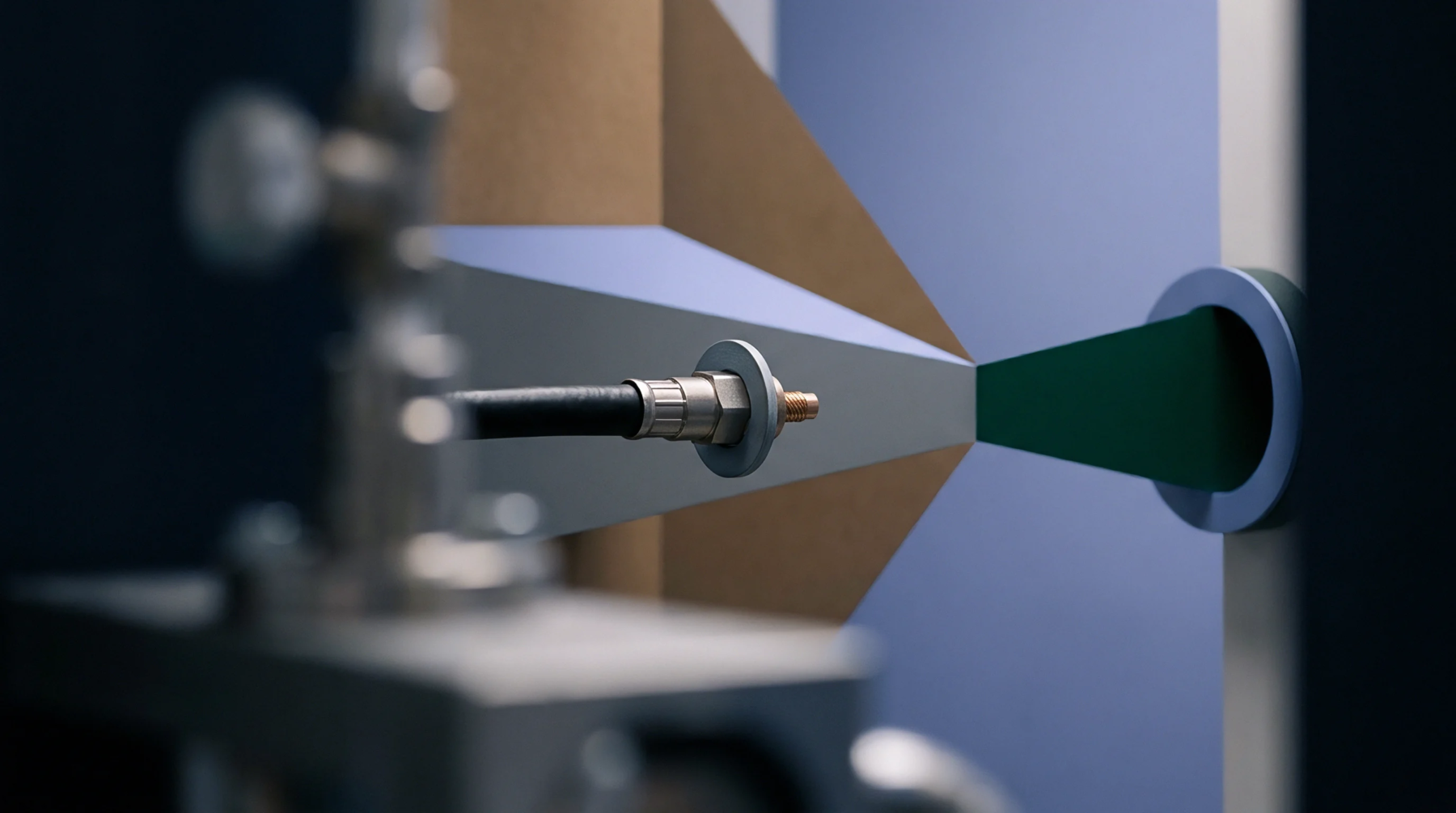
Decouple surface thermal gradients from differential capacity curves by combining C/50 baseline cycling with multi-point thermistor arrays and model corrections.
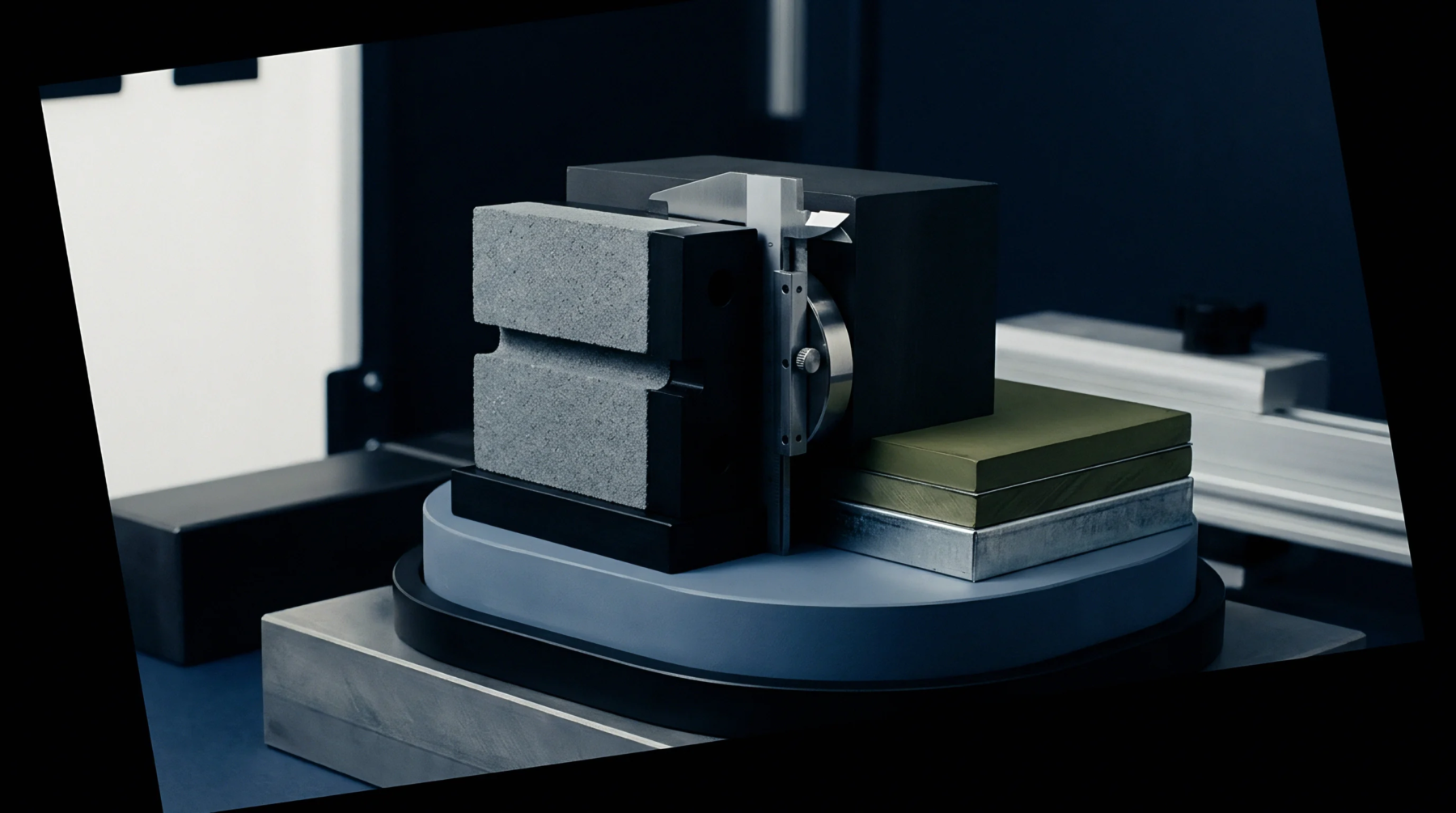
Extended electrochemical relaxation time constants induce residual overpotential that corrupts zero-point Coulomb counting calibration in battery packs.

LFP OCV relaxation requires multi-hour decay modeling and hysteresis tracking to prevent large SOC estimation errors across the flat voltage plateau.
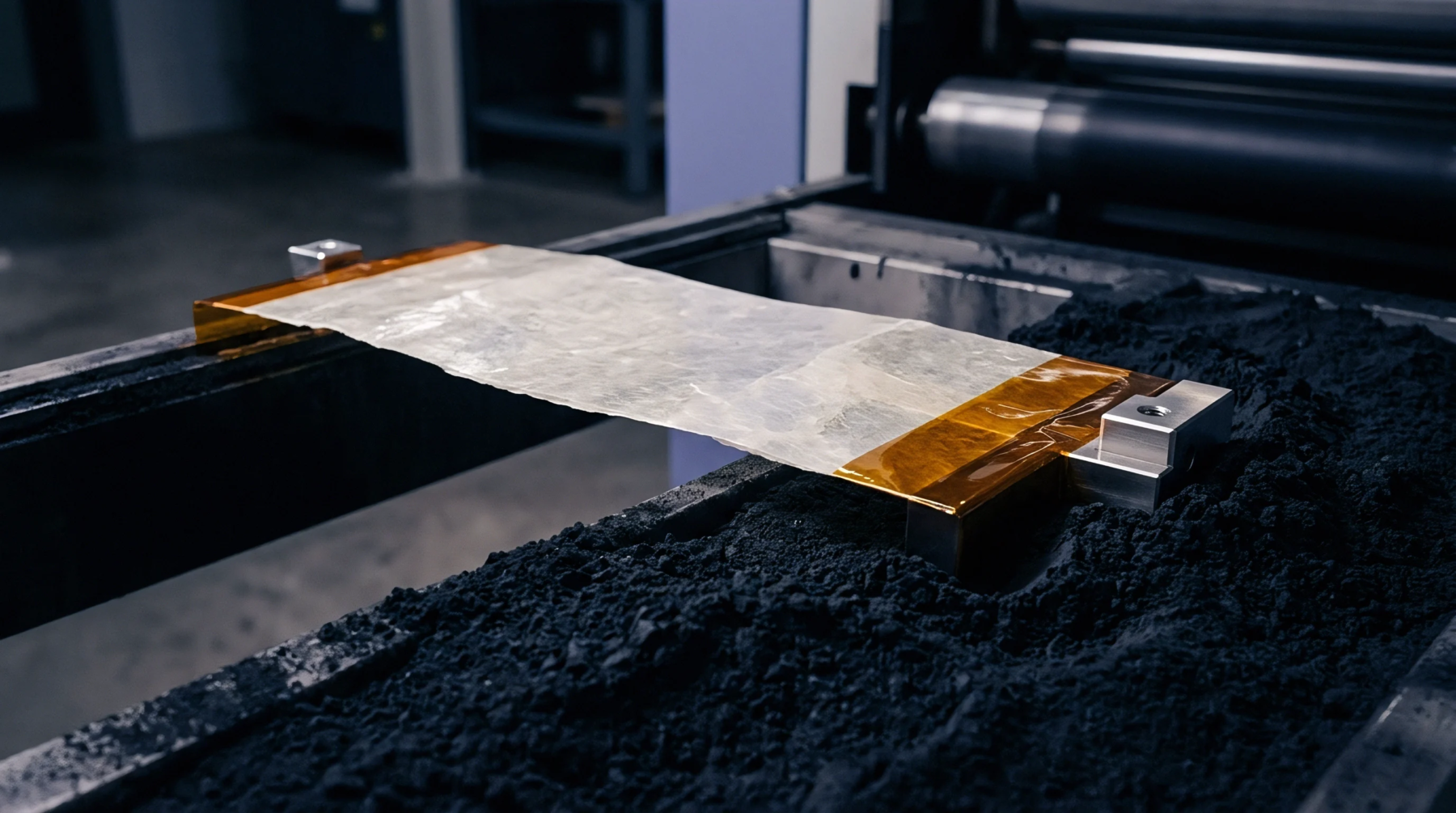
Voltage relaxation transients distort open circuit measurements causing state of charge errors exceeding twelve percent without persistent diffusion modeling.
Expertise is a utility, not a secret. sentiention™ publishes its working knowledge as open reference: intelligence layer covering the materials it sources, the markets it enters, and the reference that serves both.