Separator Swelling Kinetics in Lithium Battery Electrolytes
Polyolefin separators expand in electrolyte under thermal exposure, converting swelling strain into internal stack pressure that alters transport resistance.
Polyolefin separators expand in electrolyte under thermal exposure, converting swelling strain into internal stack pressure that alters transport resistance.
Operando impedance isolates micro-structural electrolyte depletion and transient lithium plating in real time under continuous super-C discharge.
Transmission line deconvolution separates pore liquid salt diffusion from interfacial kinetics, isolating high-rate transport bottlenecks before thermal runaway.
Electrolyte salt depletion inside micro-porous battery electrodes causes severe concentration overpotential, limiting high-rate discharge capacity.
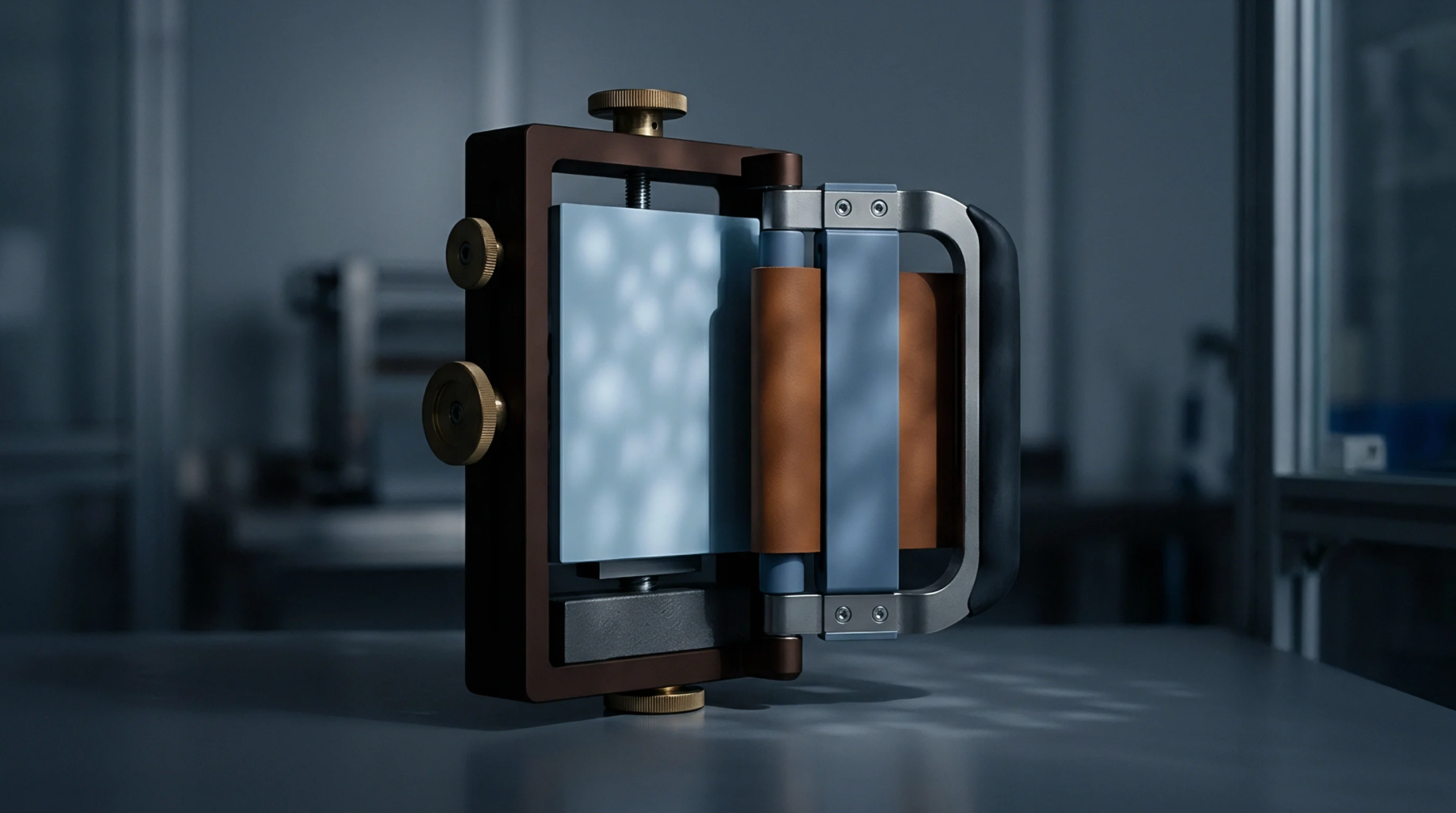
Excessive calendering line pressure crushes electrode mesopores below 10 nm, elevating ionic tortuosity and choking high-rate transport despite density gains.

Eliminating lithium plating in fast-charging silicon anodes requires reducing out-of-plane tortuosity and maintaining stack pressure between 0.3 and 0.8 MPa.
Dynamic current derating derived from localized salt diffusion kinetics prevents sub-zero lithium plating and costly field warranty failures.

Constant pressure restraint compresses microporous separators, elevating ionic resistance and forcing liquid electrolyte out of active electrode stack void space.
Sub-zero graphite charging is constrained by desolvation and pore diffusion limits that induce lithium plating when anode potential drops below zero volts.

Electrochemical impedance transmission line modeling isolates micro-structural electrolyte salt depletion under continuous high-C discharge before voltage collapse.
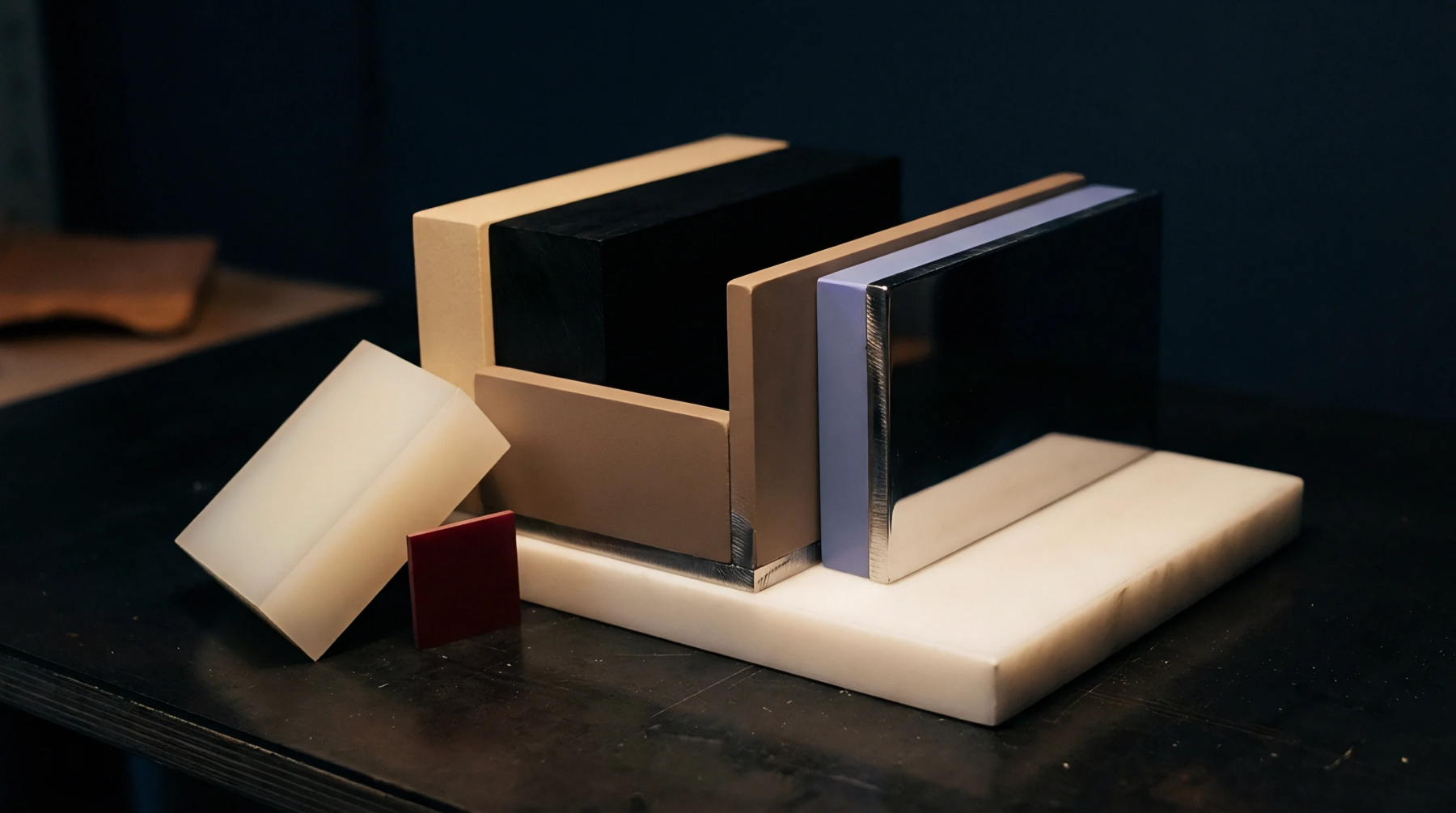
Polyolefin separator microstructures require correlated electron imaging, flow porosimetry, and transport testing to set baseline metrics that prevent cell short circuits.

Sub-zero fast charging accelerates graphite anode overpotential past 0 V vs Li/Li+, triggering metallic lithium plating that demands active pre-heating.
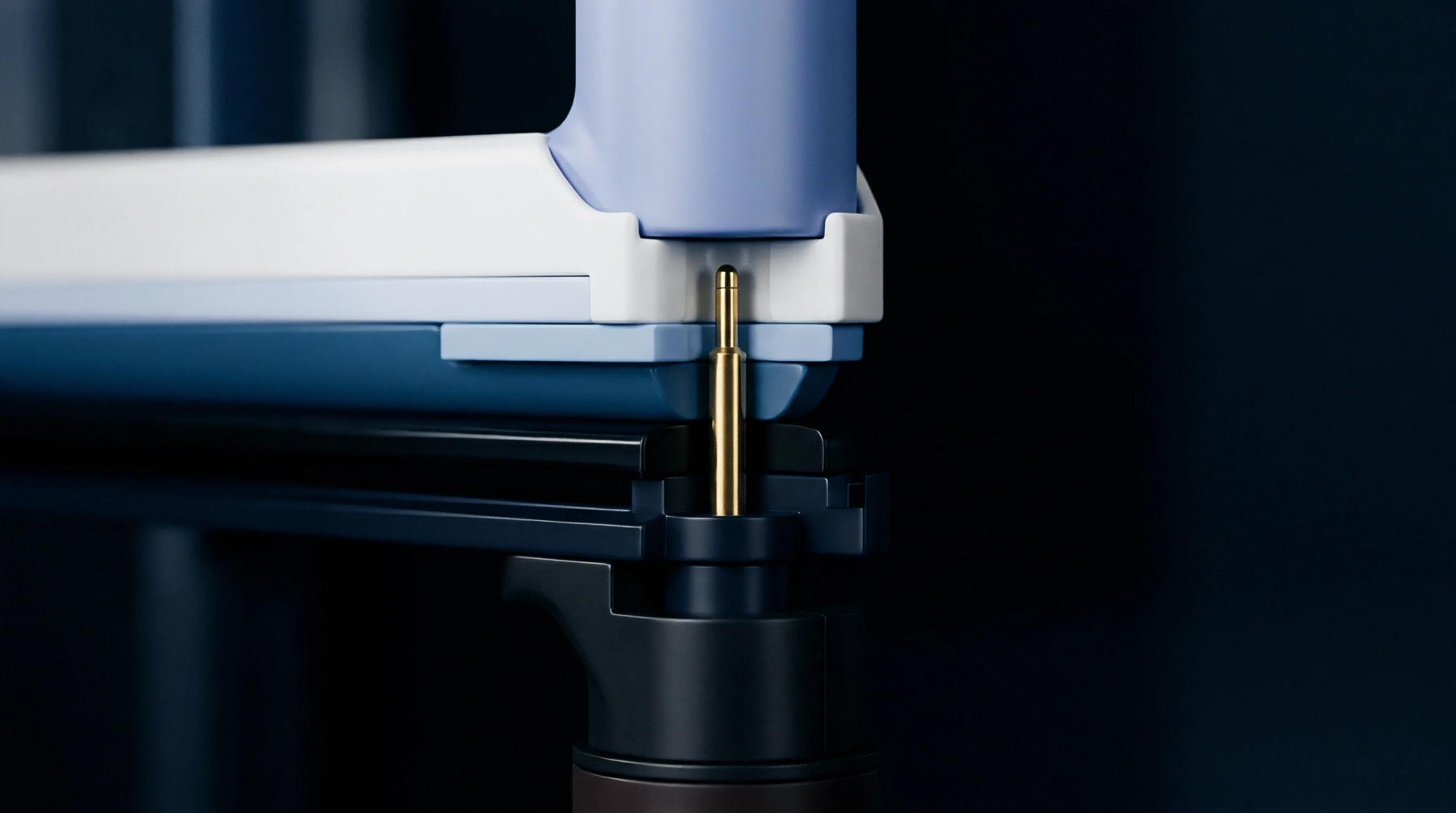
Sub-zero battery charging induces severe kinetic overpotentials, forcing metallic lithium plating over intercalation and demanding strict thermal step-down controls.
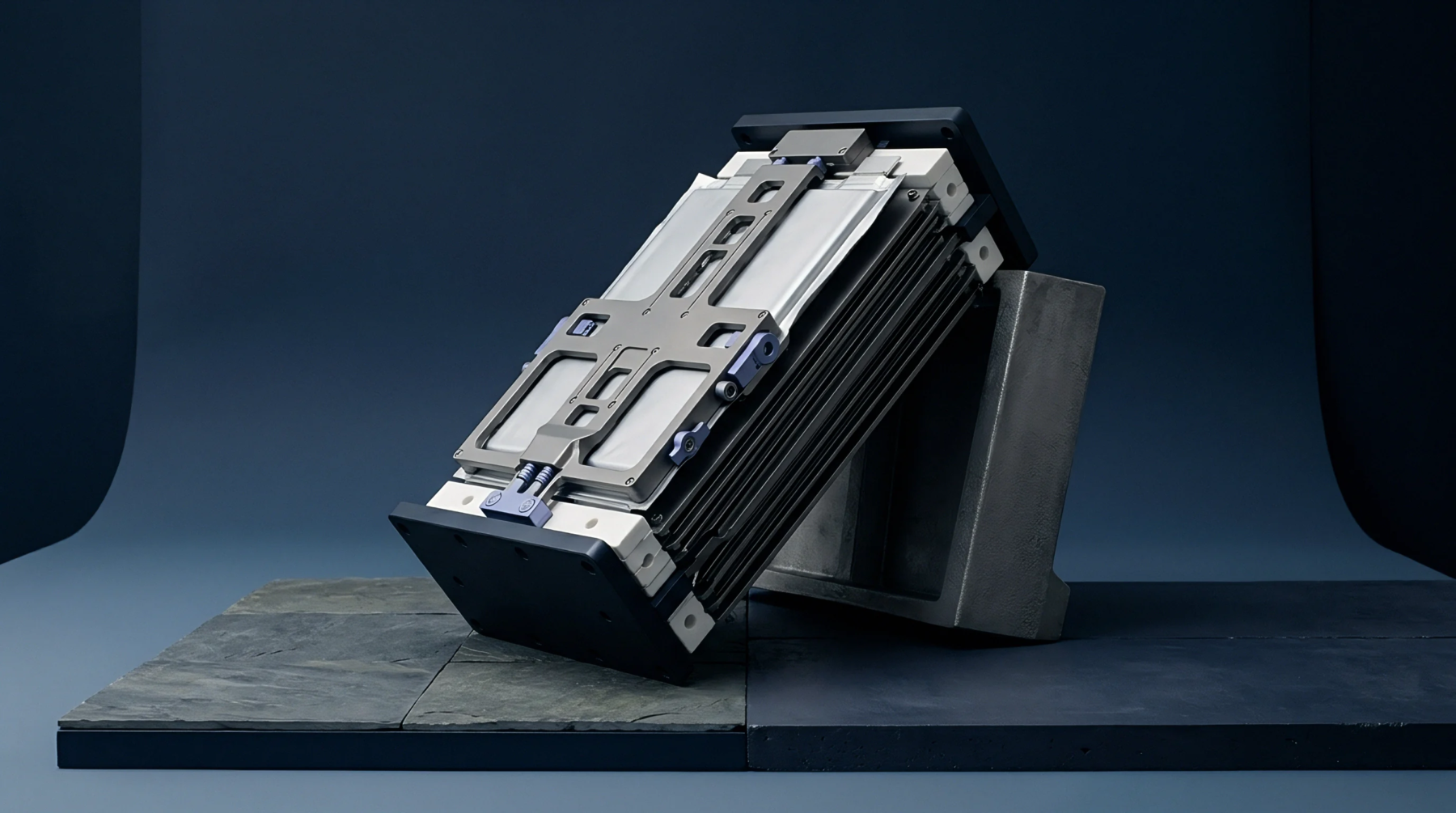
Optimal static compression between 200 and 400 kPa maximizes prismatic cell cycle life by preventing delamination while avoiding separator pore collapse.
Microstructural separator pore collapse and gas evolution during pouch cell storage exponentially increase internal impedance and drive irreversible capacity scrap rates
Expertise is a utility, not a secret. sentiention™ publishes its working knowledge as open reference: intelligence layer covering the materials it sources, the markets it enters, and the reference that serves both.