
Interfacial Foam Selection for Battery Module Pressure Management
Select interfacial foams by balancing beginning-of-life preload against end-of-life swell deflection to keep module cell pressure between 0.05 and 0.80 MPa.
Select interfacial foams by balancing beginning-of-life preload against end-of-life swell deflection to keep module cell pressure between 0.05 and 0.80 MPa.
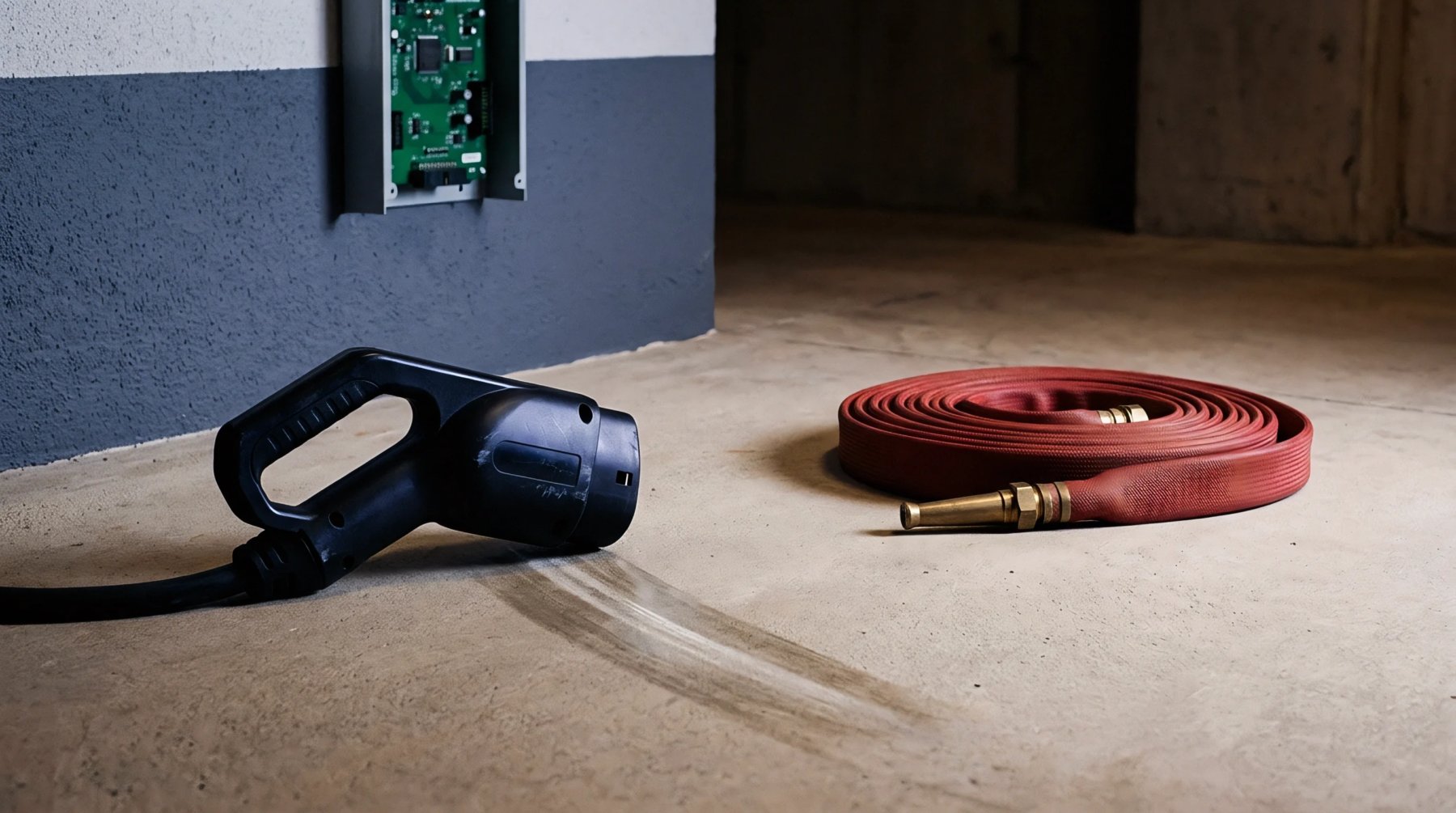
Cryogenic fast charging forces graphite anode overpotentials below zero volts, driving metallic lithium deposition that requires pre-heating or dynamic current scaling to prevent cell failure.

Ultrafine tungsten carbide slitting blade life depends on limiting cobalt binder pooling below two micrometers to prevent micro chipping and electrode burrs.

Evaluating subzero cell capacity requires measuring charge transfer resistance and verifying thermal equilibration before accepting supplier datasheet claims.

Dynamic module pressure retention requires continuous dynamic strain compensation to prevent lithium metal anode degradation and structural pack housing fatigue.
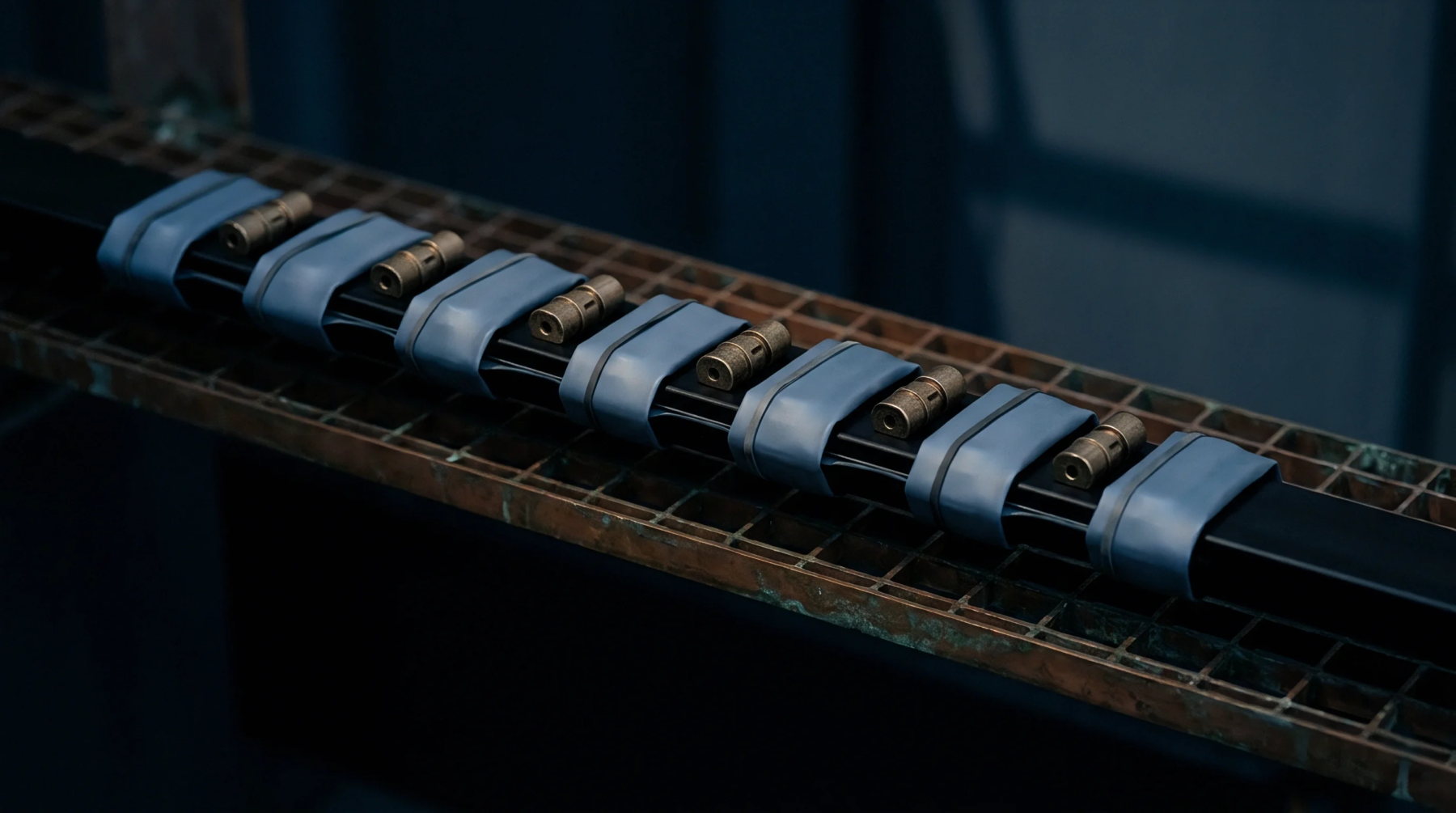
Sub-pack integrators absorb full unmitigated thermal runaway losses unless contracts define containment metrics and carve out propagative fire liabilities.

Subzero fast charging forces severe SEI fracture and lithium plating, creating internal short risks that invalidate standard UN 38.3 safety credentials.

Dynamic fast charging below zero degrees requires real-time overpotential feedback control to prevent lithium plating and maintain safety certification validity.

Prismatic pack reliability hinges on balancing cell expansion pre-charge with non-linear pads to maintain thermal contact without exceeding end-plate yield limits.

Verifying cycle life requires auditing raw time-series logs against physical test conditions rather than relying on datasheet retention curves.

Laboratory cycle life claims hold commercial value only when test cut-offs, clamping force, four-wire telemetry, and Weibull distributions are verified.

Turnkey engineering secures enclosure tooling and BMS firmware control, while white label sourcing locks hardware design and shifts compliance risk.

Unverified third-party battery test scopes leave importers legally liable for transport fines, customs seizures, and uninsurable thermal failures.
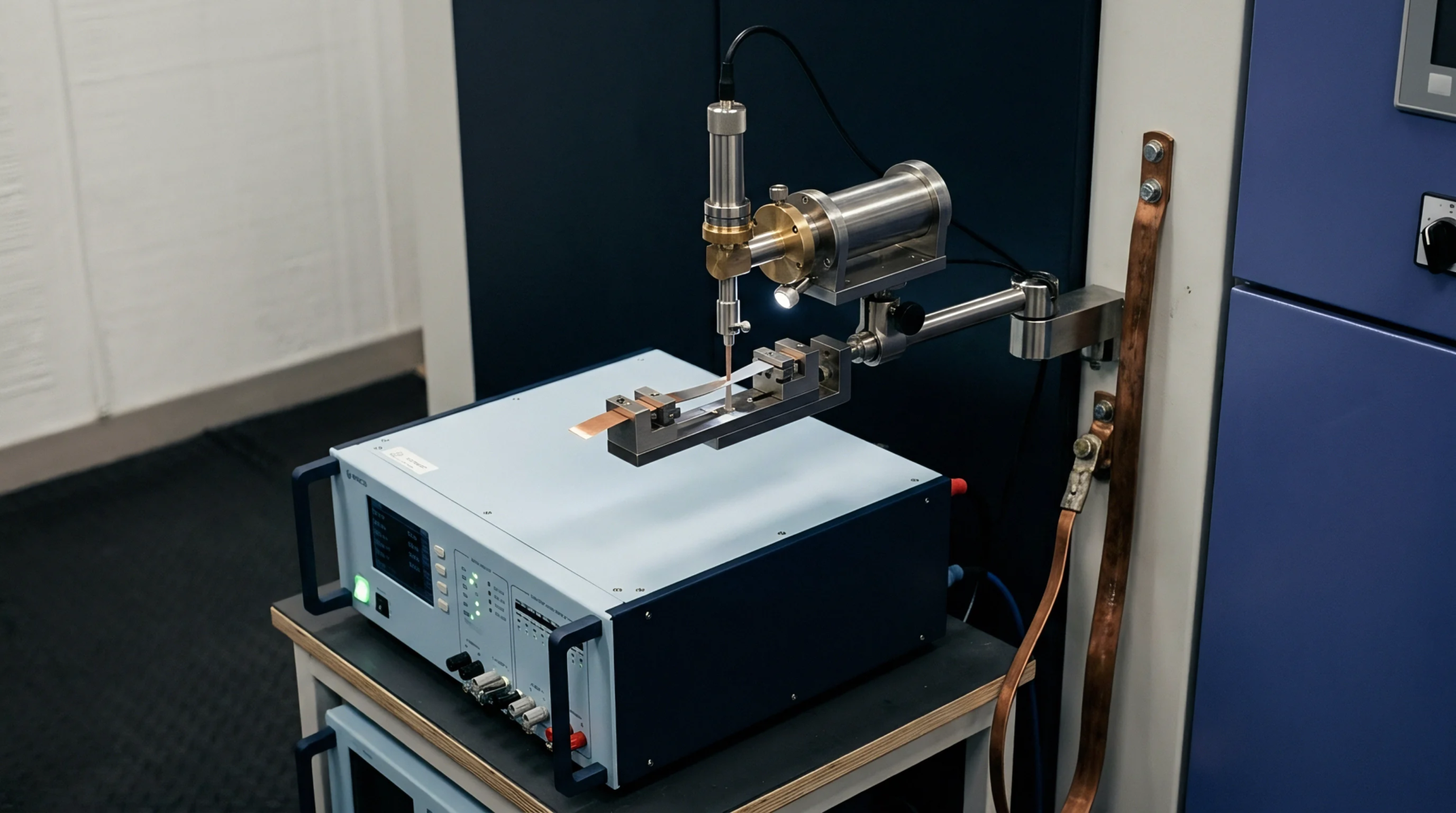
Optimal mechanical constraint extends lithium cell cycle life by suppressing electrode delamination while avoiding separator pore collapse and intergranular cathode fracture

Fix format, compression pads, NRE tooling costs, and BMS regulatory boundaries before signing supply contracts to avoid costly re-tooling and unhedged liability.
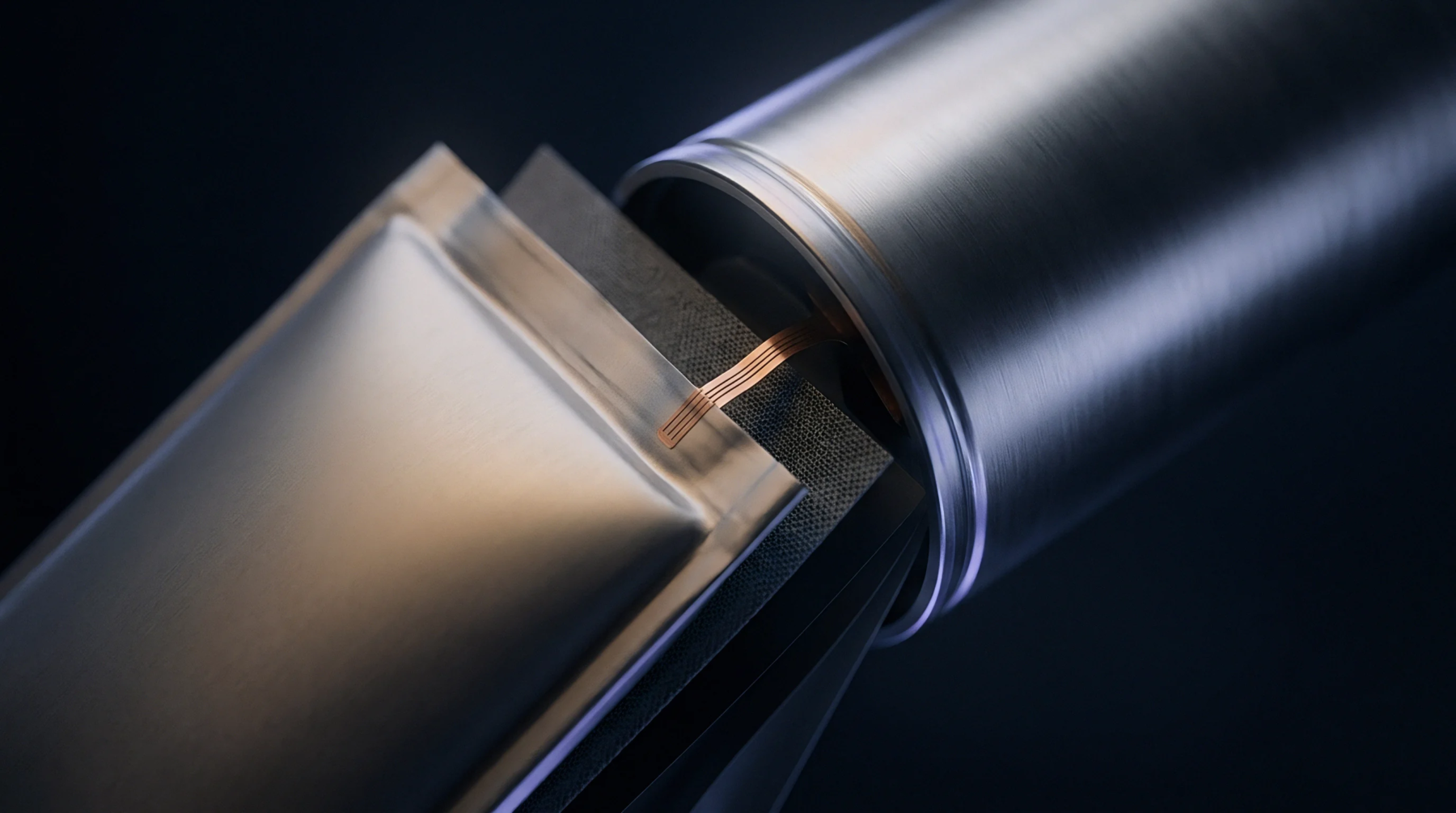
Structurally bonding cell stacks eliminates module mass but transforms minor field defects into complete pack scrap liabilities.
Expertise is a utility, not a secret. sentiention™ publishes its working knowledge as open reference: intelligence layer covering the materials it sources, the markets it enters, and the reference that serves both.