Meaning
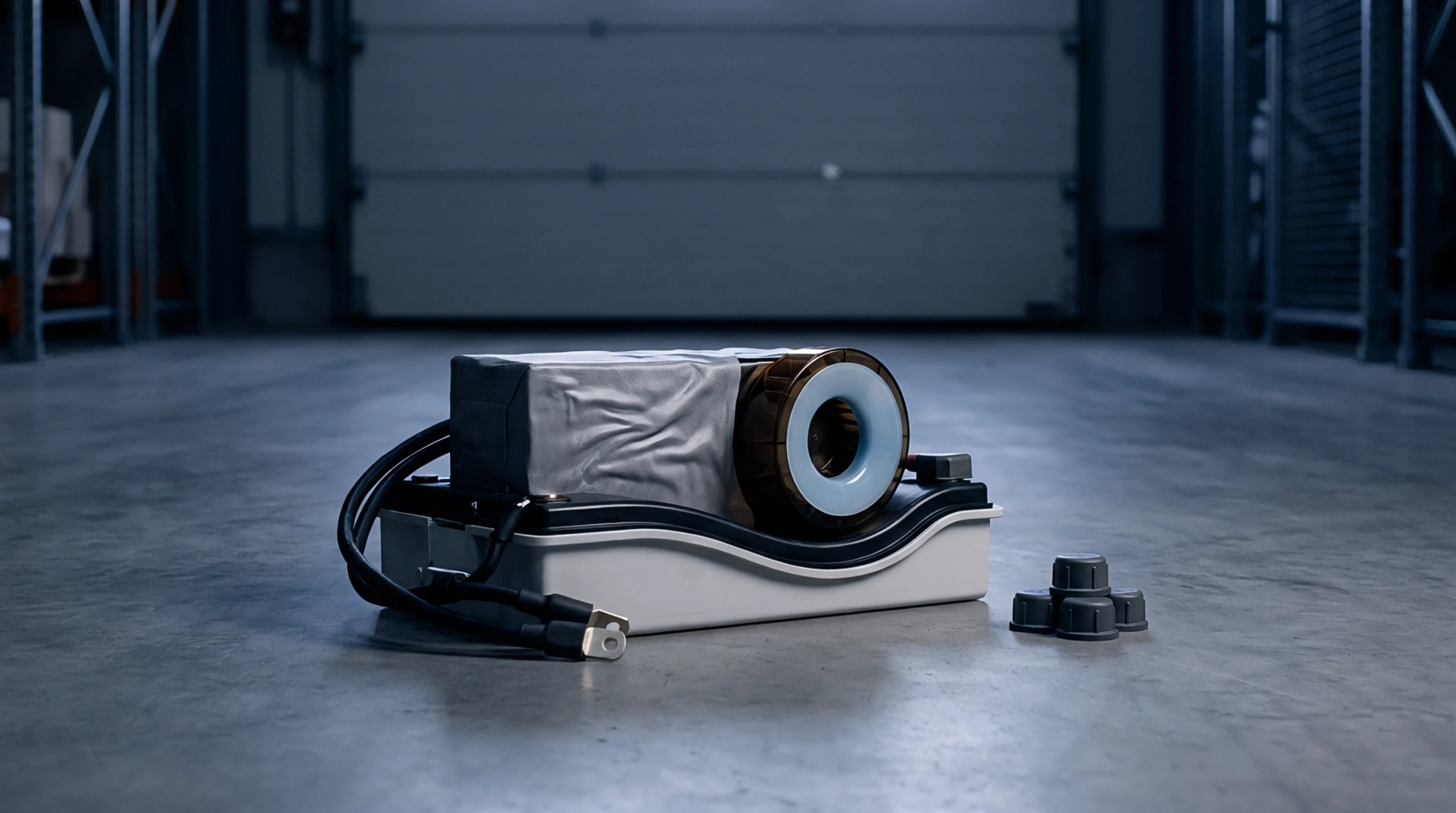
The chain reaction where a localized chemical failure in one battery cell causes neighboring cells to ignite through conductive or convective heat transfer. This thermal runaway propagation defines the speed and severity at which a single module defect spreads through an entire energy storage cabinet. It measures the effectiveness of the physical barriers and internal cooling designs intended to isolate internal fires.
The evaluation stops once the external frame holds the event inside or the fire department suppresses the site. Every safety test focuses on delaying or stopping this sequence to give human operators time to react and evacuate. This parameter moves the selection of internal isolation materials and enclosure types during the engineering specification period.
Containment Logic
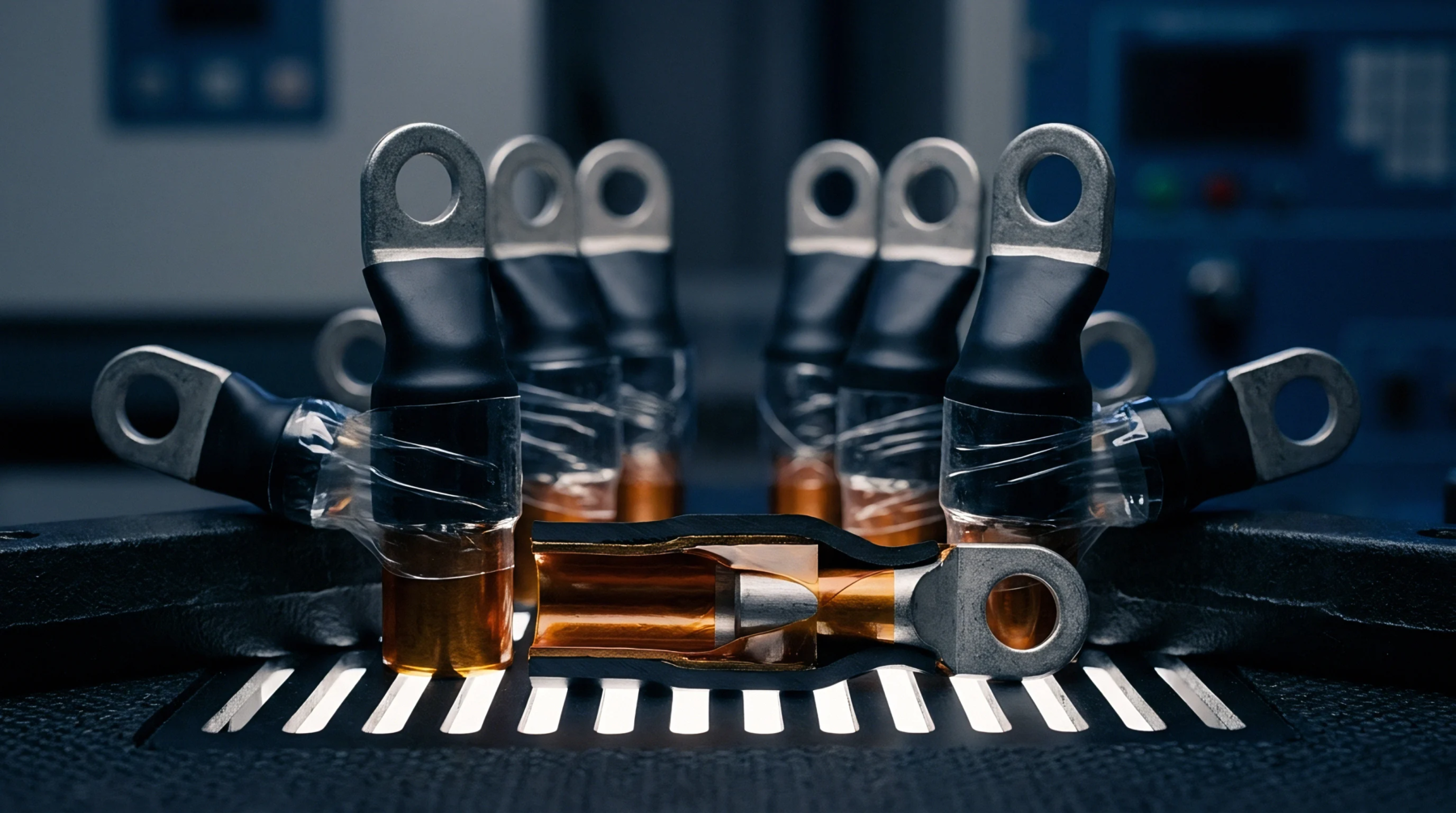
Fire spreads rapidly if the distance between cells is too narrow or if the separation materials allow heat to move quickly across the space. Controlling thermal runaway propagation involves using ceramic wraps and active water jackets that absorb excess energy from a failing cell. These barriers force the gas to exit through safely positioned vents rather than moving into the adjacent tray.
Logic systems detect sudden temperature spikes and flood the module with cooling fluid to lower the chemical activity level. If the propagation logic fails, an entire container of battery energy can be lost in a short duration. Manufacturers document how long it takes for a single event to move from one cluster to the next.
Successful designs achieve zero transfer across the boundaries to protect the rest of the site equipment.
Material Isolation
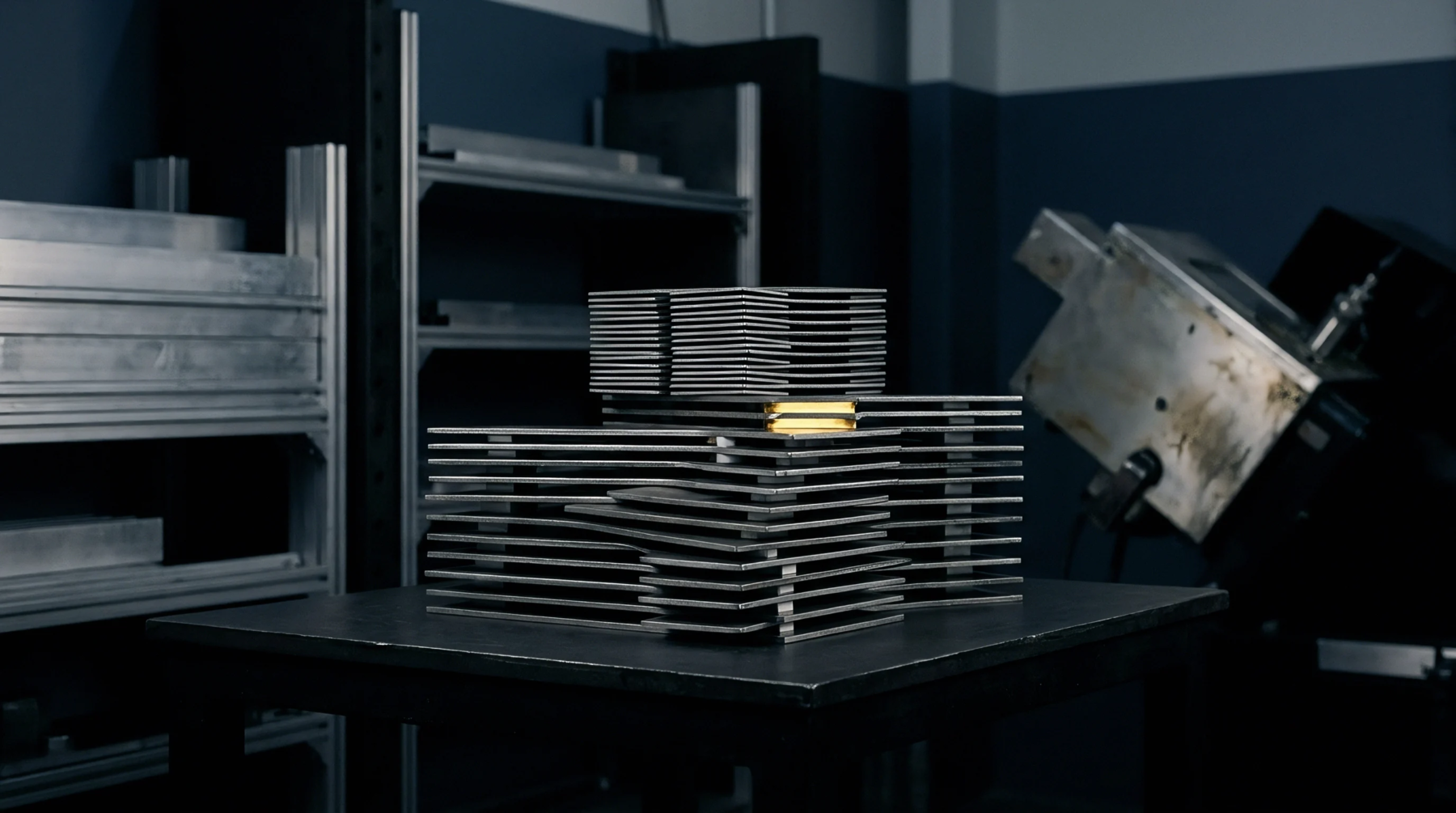
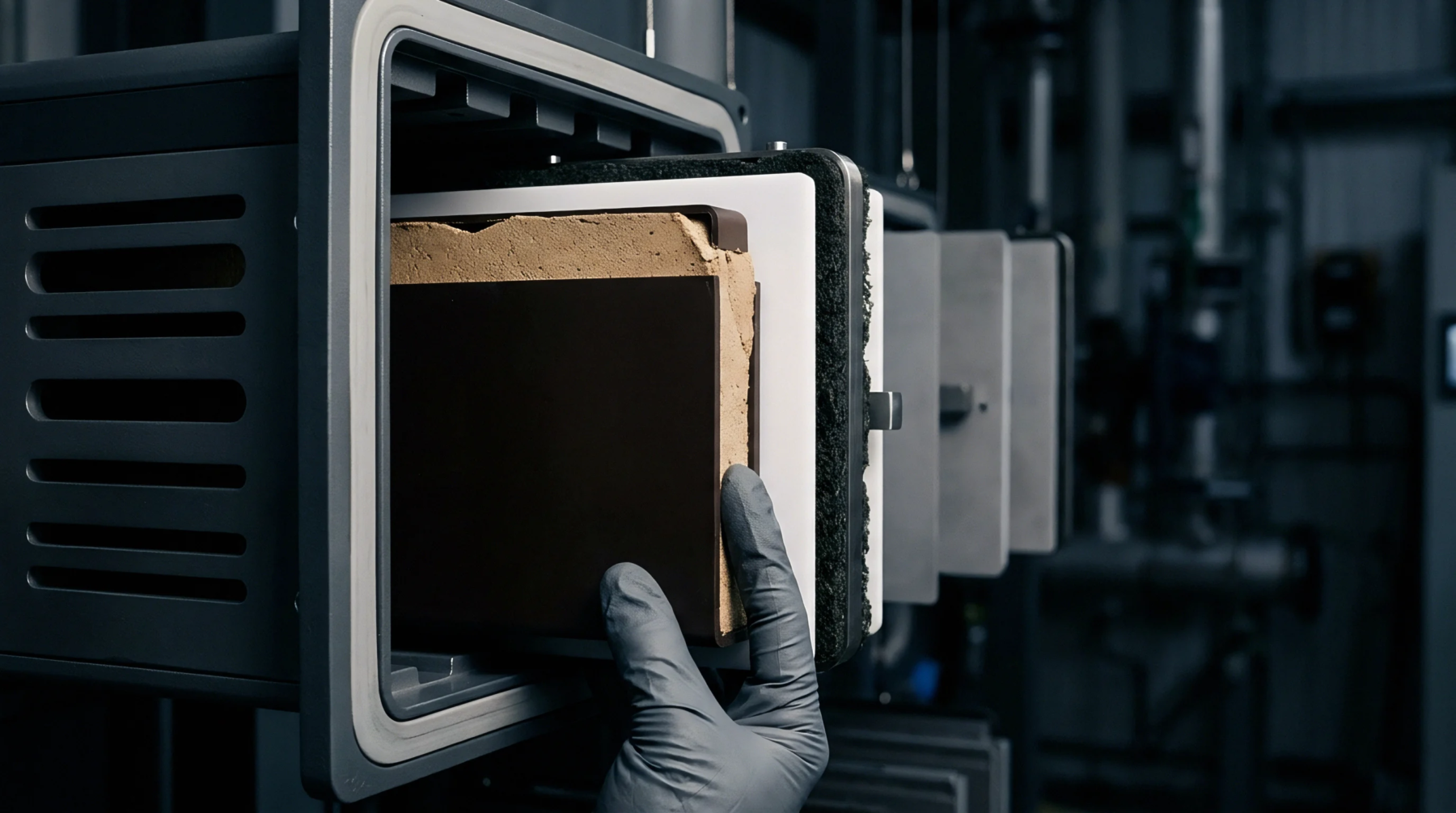
Special Intumescent materials expand when they sense heat to create a hard carbon shield against thermal runaway propagation. These sheets sit between layers of modules to block infrared radiation and direct flames from touching the plastic enclosures nearby. Without these shields, the heat climbs past several hundred degrees within seconds and melts the structural tie rods.
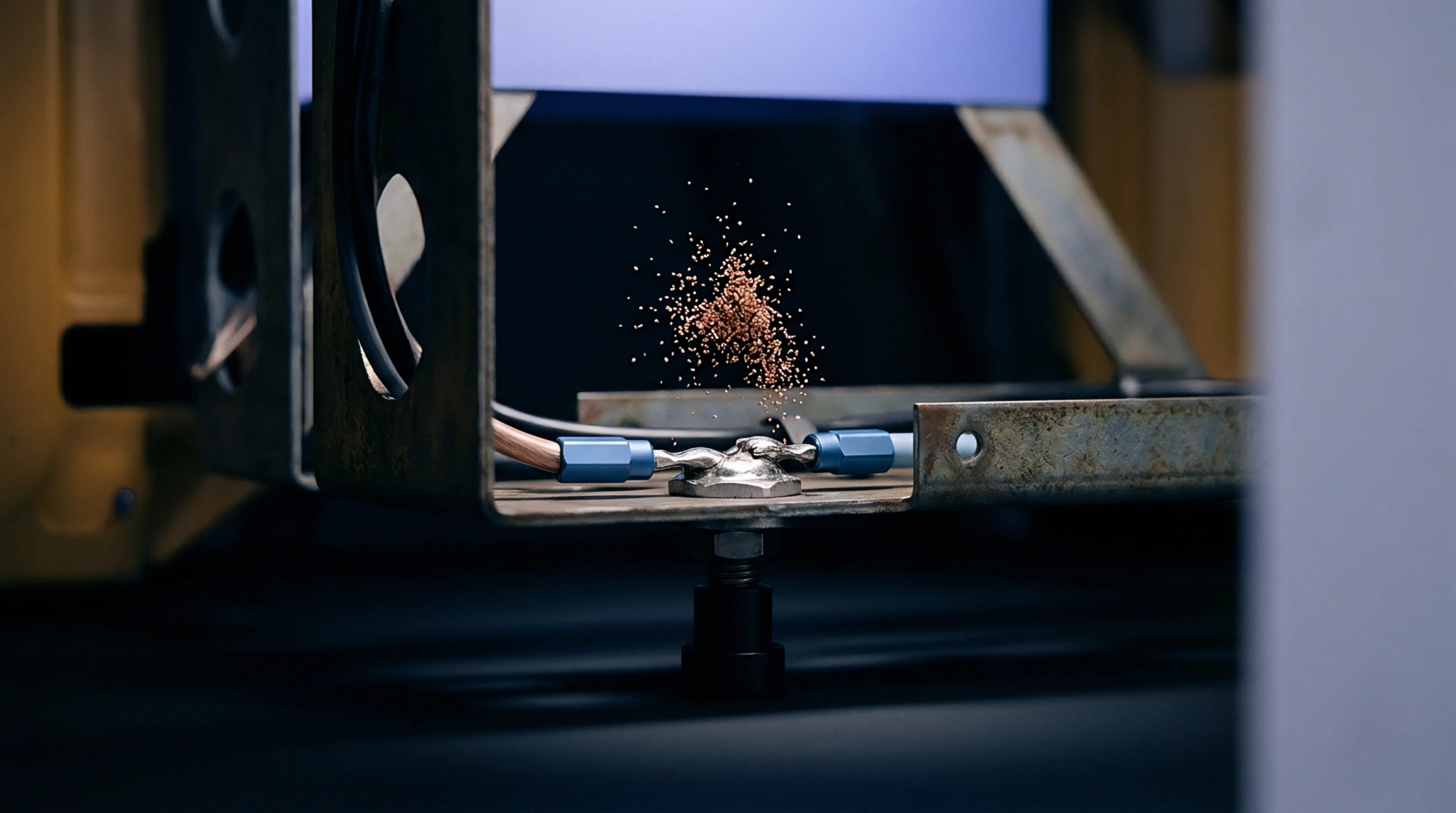
When the rods melt, the compressed cells expand and create secondary short circuits through mechanical failure. Using thick aluminum walls between groups helps pull heat away into the ground or toward a main heat exchanger. Designers look for low thermal bypass paths where air can circulate to cool down warm spots before they trigger nearby cells.
Testing confirms that these physical defenses hold up long enough for the safety circuit to isolate the main electrical contactors.
System Evaluation
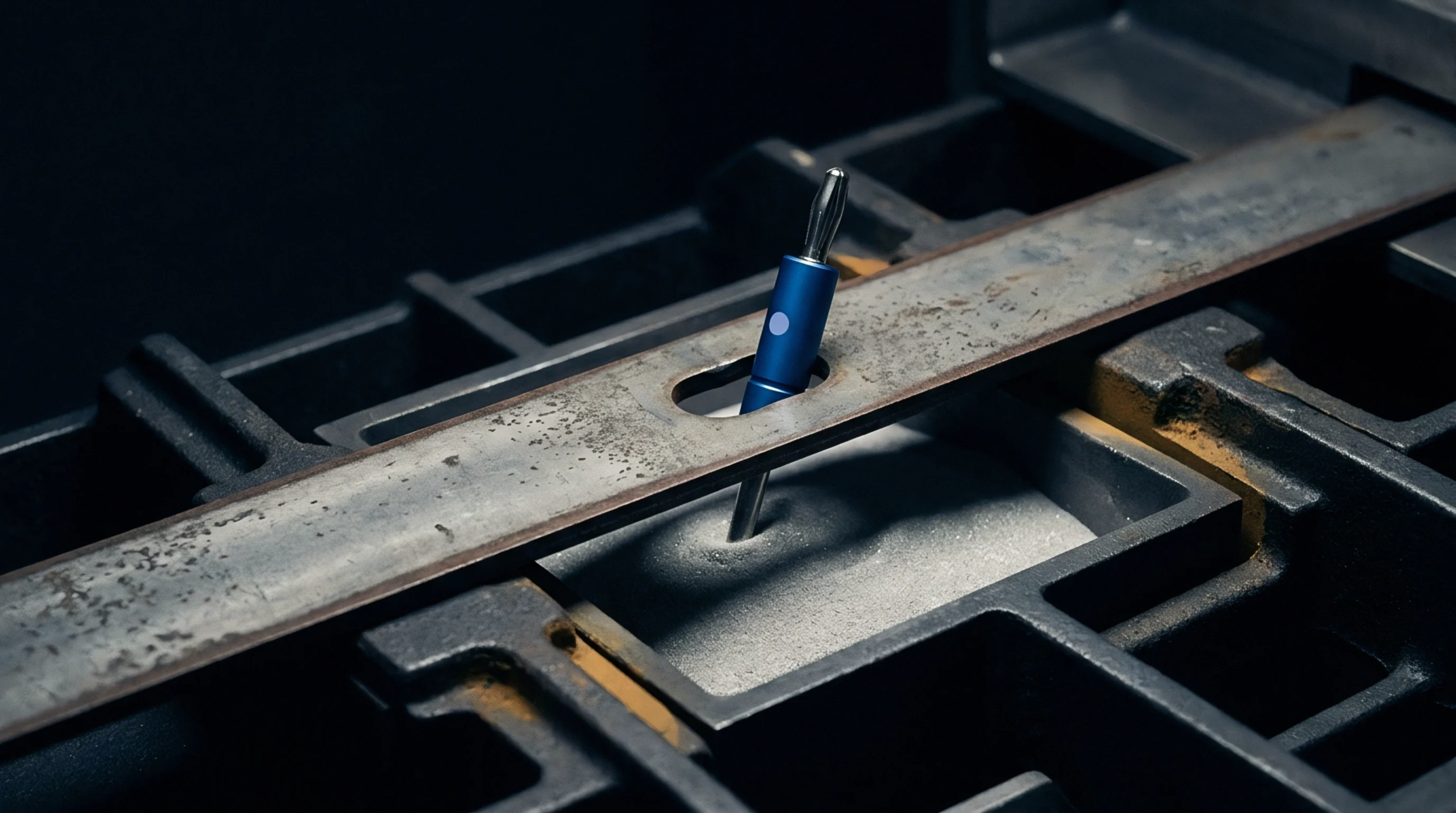
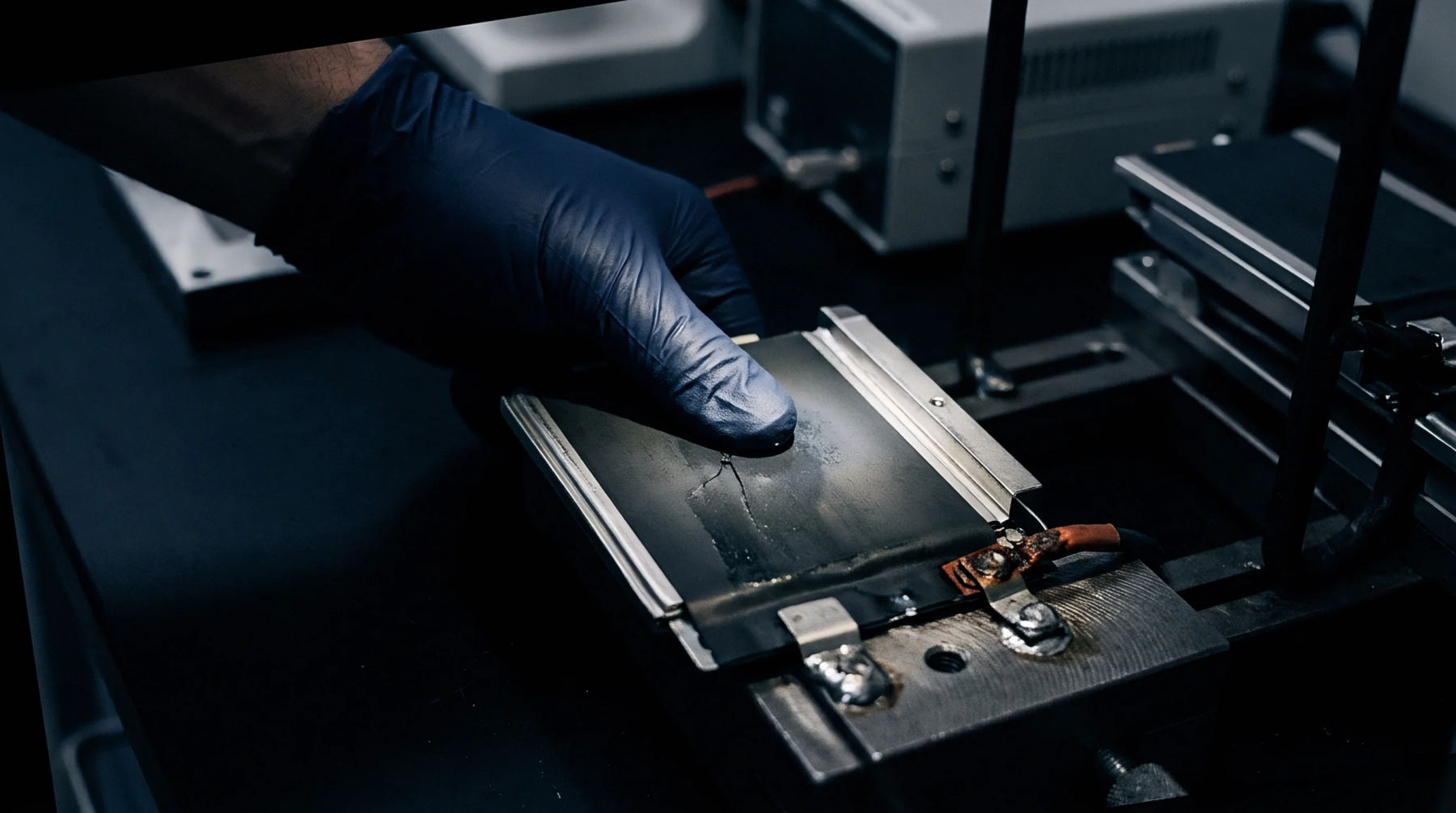
Qualification involves a nail penetration test inside a target cell to intentionally create a total failure within the high voltage module. Sensors track if this incident leads to thermal runaway propagation into the adjacent six modules over several hours. If the fire stays confined, the battery architecture is considered safe for deployment in urban environments or ships.
These reports provide the paperwork necessary to gain approval from local zoning boards and safety regulators. Purchasers weigh the cost of these extra thermal blocks against the lower likelihood of total system loss. A verified non propagation design decreases the long term insurance premiums for the facility owner.
Reliability depends on these invisible layers of passive thermal defense consistently performing their physical function during an emergency.