Meaning
This technical standard provides a method for evaluating the fire safety of battery energy storage systems by measuring the characteristics of thermal runaway at multiple scales. It goes beyond basic safety checks to determine exactly how a fire might spread from a single cell to an entire building. The ul 9540a test results are used by local fire departments and building inspectors to set rules for where these large systems can be safely installed.
This protocol includes the analysis of gas composition, heat release rates and the effectiveness of fire suppression systems. It stops being the primary safety document once the system is fully commissioned, at which point operational safety codes take over.
Testing Hierarchy
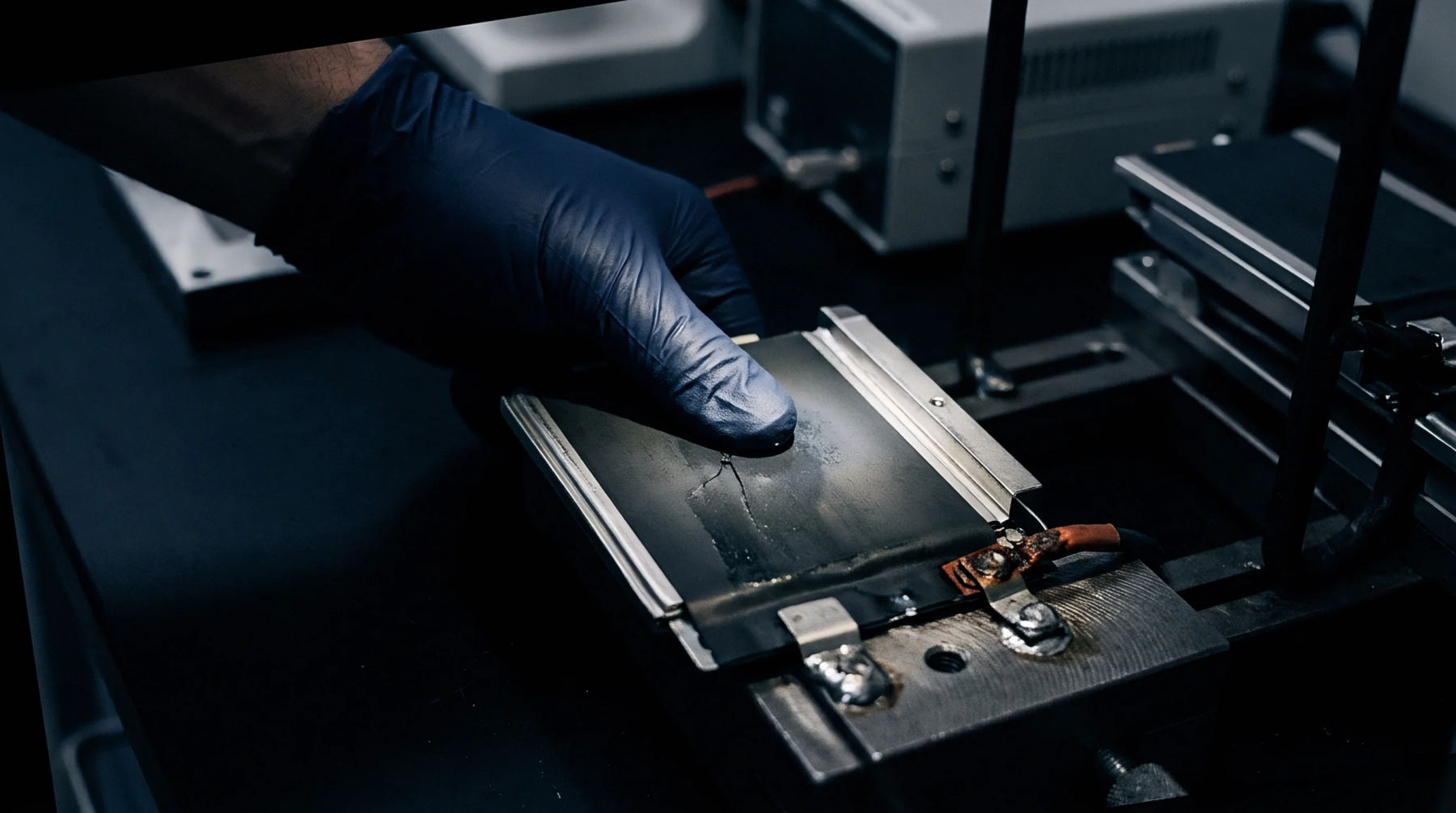
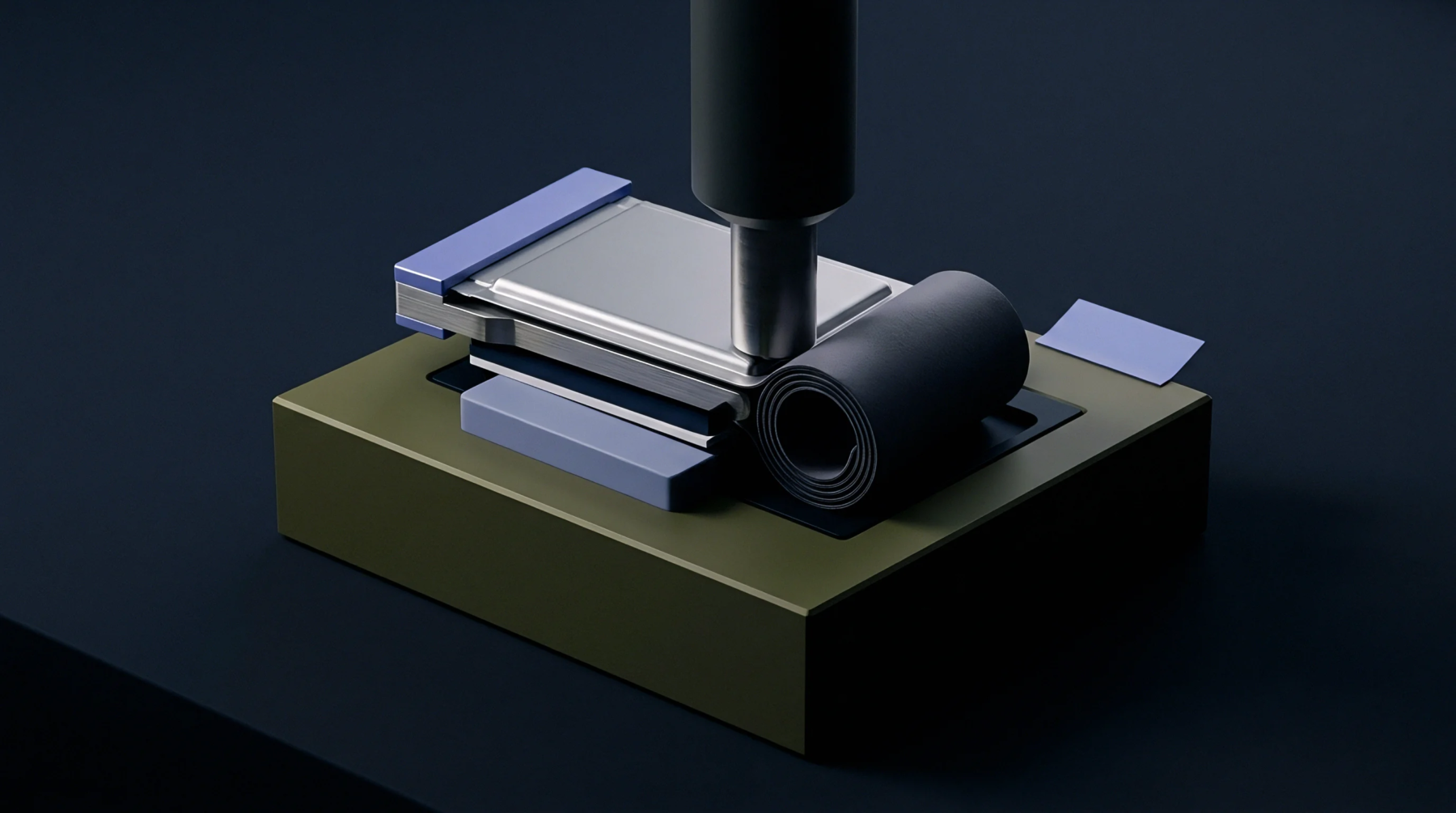
The evaluation process is structured into four distinct levels, starting with the individual cell and moving up to the module, the unit and finally the complete installation. At the cell level, the test determines the temperature at which thermal runaway begins and identifies the types of gases that are released. The module level test then observes whether a failure in one cell will cause the neighboring cells to catch fire.
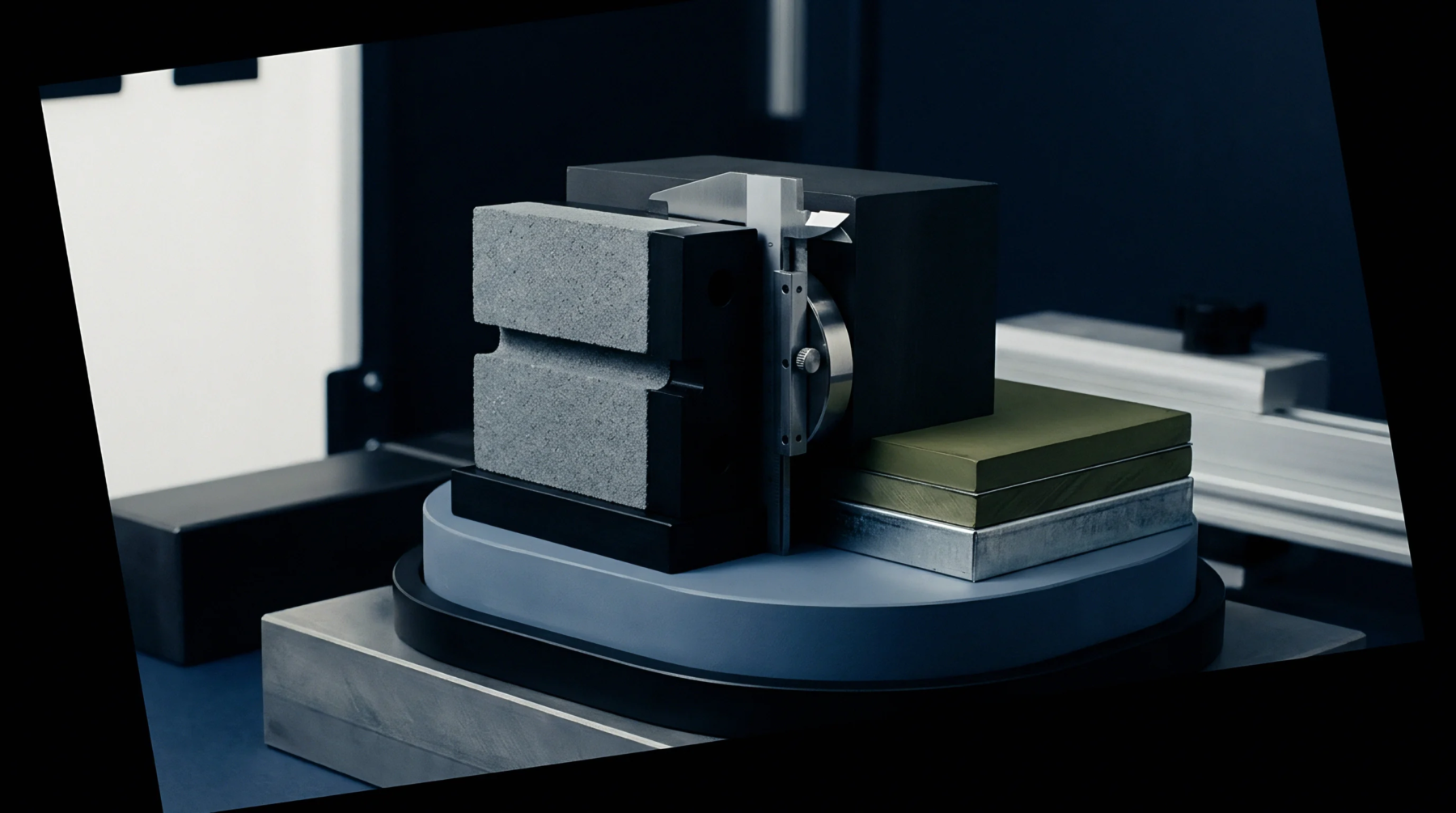
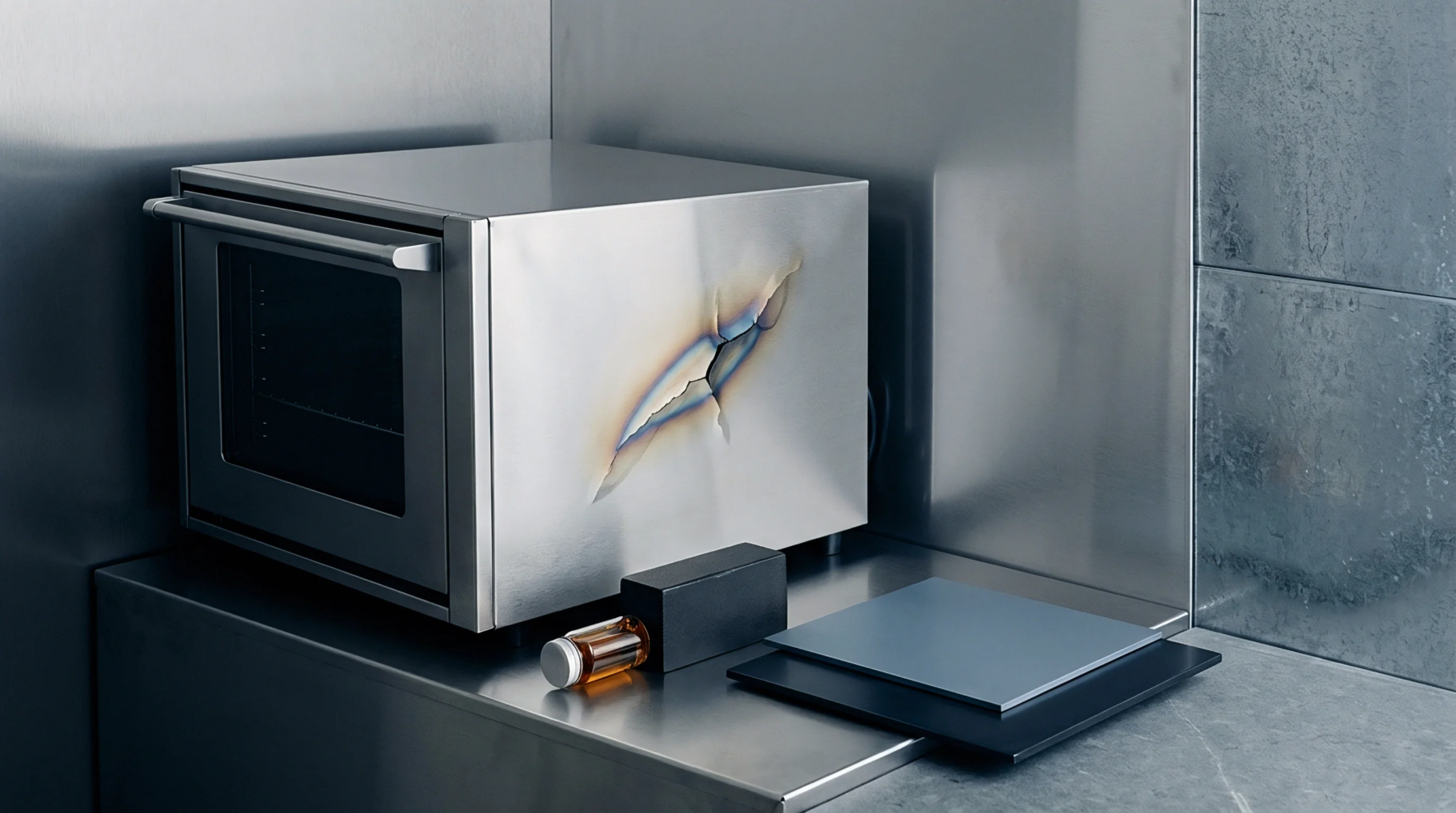
In the unit level test, the entire cabinet is monitored to see if the internal fire stays contained or if it breaks out into the surrounding area. Finally, the installation test evaluates how multiple units behave when they are placed close together as they would be in a real world power plant. This stepped approach allows engineers to identify and fix safety problems at the earliest possible stage of the design.
Data Generation
During every stage of the process, a wide variety of sensors and cameras record the physical and chemical behavior of the failing battery. The ul 9540a report provides detailed information on the concentration of flammable gases like hydrogen and carbon monoxide that are produced during a fire. This data is used to design the ventilation systems for the battery room to prevent the buildup of explosive mixtures.
The test also measures the radiant heat coming off the unit, which tells the fire department how much water or foam would be needed to keep nearby buildings cool. Because every battery chemistry behaves differently, these tests must be repeated for every new model or significant change in the system design. This information is more detailed than what is found in a standard safety certificate and is used for complex engineering calculations.
Fire Mitigation
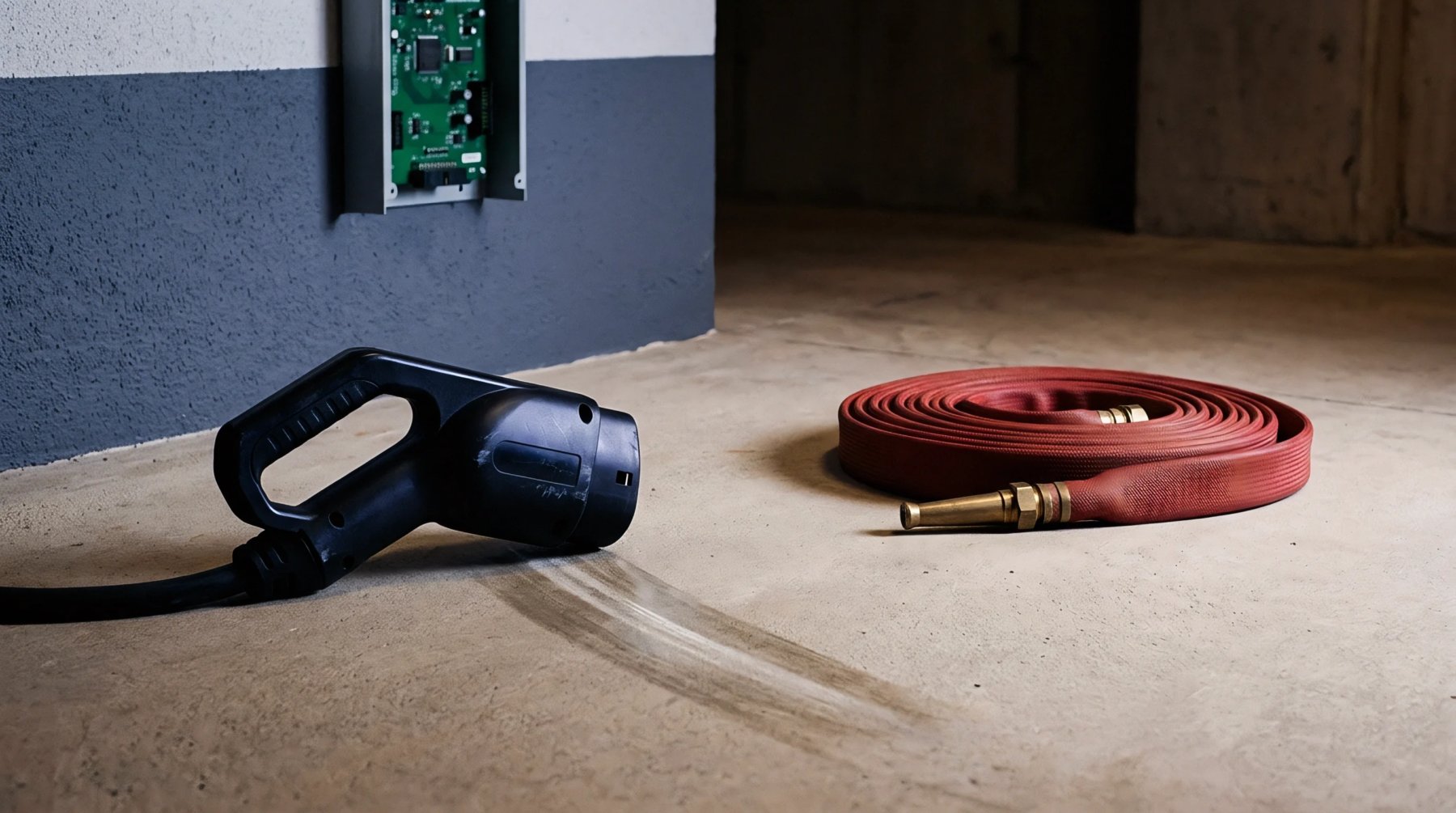
The ultimate goal of this standard is to ensure that a single battery failure does not lead to a catastrophic event that threatens the lives of first responders or the public. By understanding the fire behavior, manufacturers can design better cooling plates, flame arrestors and fire walls to slow down or stop the spread of a fire. The ul 9540a results often dictate the minimum distance required between battery units and the type of fire alarm system that must be installed.
Sourcing teams use these reports to compare the safety of different suppliers and to ensure that the systems they buy will meet local building codes. Holding a successful test report can also lower the insurance premiums for a project by proving that the risks have been thoroughly evaluated. This standard represents the highest level of fire safety verification for the energy storage industry.