
Secondary Gas Loop Extraction Dynamics for Reducing Parasitic Accretion in Tool Steels
Secondary gas loops sweep metal condensate and ejecta out of laser paths, eliminating parasitic accretion and void formation in tool steels.
Secondary gas loops sweep metal condensate and ejecta out of laser paths, eliminating parasitic accretion and void formation in tool steels.

Recirculation vortex suppression through anti-satellite gas shrouds and chamber pressure matching eliminates fine droplet welding in tool steel atomization.

Calibrating cross-flow velocity to 2.2-2.8 m/s prevents laser plume attenuation and condensate redeposition in tool steel powder bed fusion.

Amortizing battery pack enclosure tooling lowers upfront capital but creates binding shortfall liabilities and warranty risks if production volumes shift.

Maintain negative aspiration pressure above 25 kPa gauge using optimized close-coupled tip recess geometries to eliminate argon entrapment in tool steel powders.

Specific gas consumption and nozzle tip pressure determine liquid breakup efficiency and final yield in tool steel atomization.

Selecting physical vapor deposited chromium nitride or titanium aluminum nitride coatings protects injection cavities against severe glass fiber abrasion while preserving dimensional tolerances.

Coupled thermomechanical strain-life FEA predicts thermal checking and insert fatigue life in gigacast tray molds using non-linear elastoplastic plasticity models.
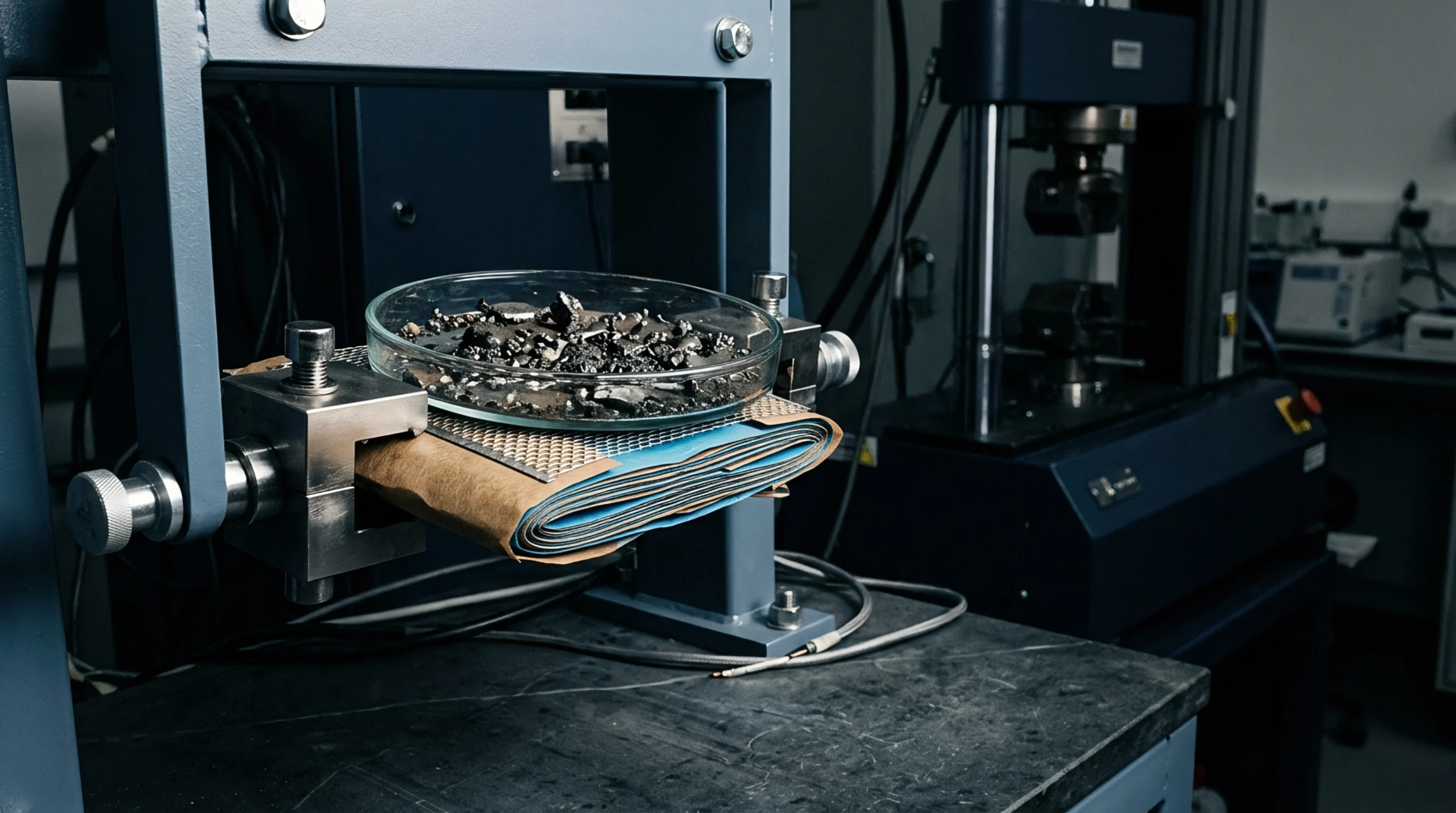
Increasing gas to metal mass ratio decreases median particle size in tool steel powder, shifting mass yield into fine powder fractions at higher argon expense.
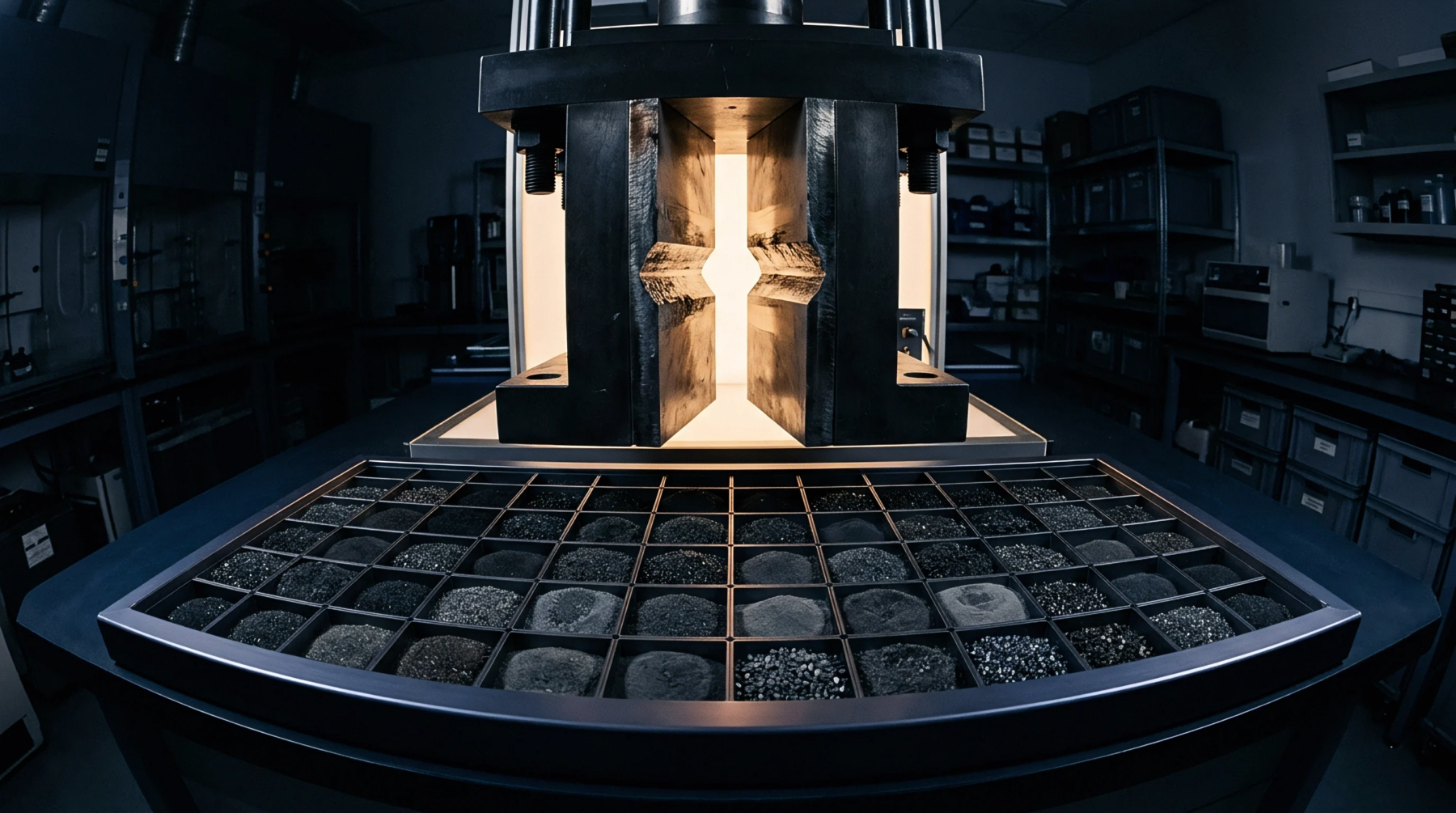
Melt superheat, gas-to-metal ratio, and aspiration pressure dictate particle size distribution, cooling rate, and oxide pickup in tool steel powder production.

Secondary recirculation gas flow controls spatter condensate extraction in 1.2709 tool steel L-PBF to eliminate surface accretion and fatigue voids.

Amortized enclosure tooling disputes resolve when contracts tie maintenance liability directly to audited press cycle logs and physical shot-life limits.

Predictive thermal fatigue FEA prevents tray mold failure by mapping strain range histories to Coffin-Manson models before cutting expensive die steel.
Gas atomization of tool steel powders requires maintaining melt superheat at 150°C above liquidus and gas-to-metal ratio between 1.8 and 2.5 to optimize yield.

Structural tool steel longevity requires controlling matrix phase dynamics, thermal fatigue, and erosion to eliminate part tolerance stack-up and warranty disputes.

Audit tool steel specs upfront and enforce explicit bailment terms to prevent amortized tooling fees from inflating custom pack unit costs.
Expertise is a utility, not a secret. sentiention™ publishes its working knowledge as open reference: intelligence layer covering the materials it sources, the markets it enters, and the reference that serves both.